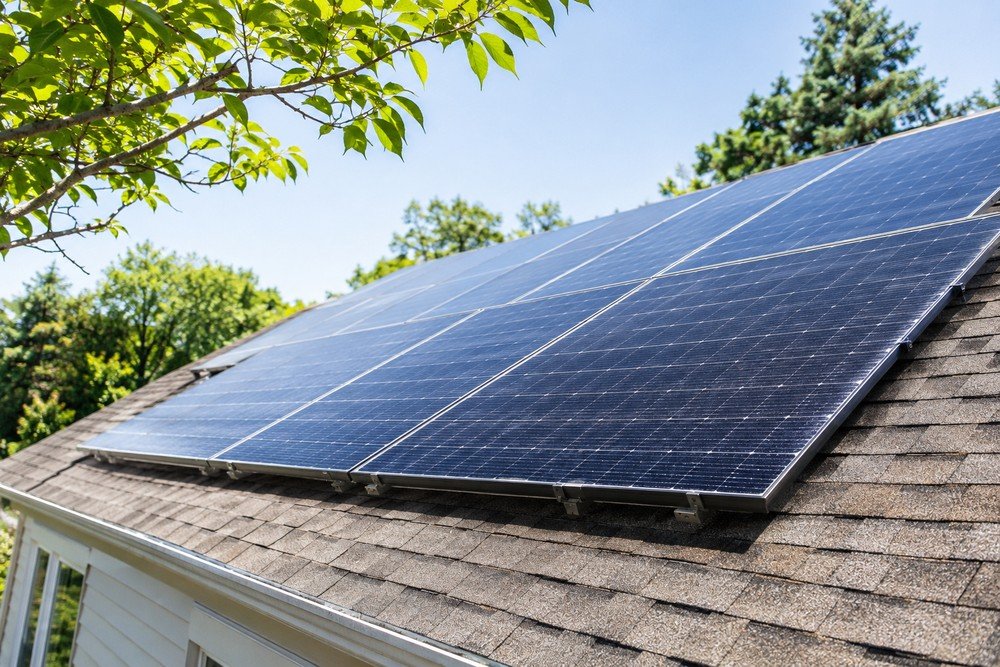
There’s a version of this story that plays out more often than it should. A homeowner gets excited about going solar, signs a contract, schedules the installation, and then discovers their roof is in no shape to have anything mounted on it. Now they’re staring down two major projects at once instead of one. The good news is that this situation is entirely avoidable. Whether you’re exploring solar for the first time or you’ve already been quoted by a solar company, understanding how your roof fits into that picture can save you thousands of dollars and a significant amount of frustration. Professional roofing services and solar installation are more connected than most homeowners realize, and knowing where they overlap is one of the smartest things you can do before committing to either project.
Why the Roof Always Comes First
Before a single solar panel gets bolted down, your roof needs to be evaluated. This isn’t just common sense. It’s something the best solar installers will tell you themselves.
Roof-mounted solar systems are designed to last 25 to 30 years. In fact, most solar manufacturers back their panels with warranties in that range. So here’s the obvious question: if your roof is 18 years old with a life expectancy of 20 to 25 years, what happens in year seven of your solar lease or loan when the roof underneath starts to fail?
The answer is expensive. Removing a solar array, replacing or repairing the roof, and reinstalling the panels can cost anywhere from $1,500 to $6,000 or more depending on the system size and the condition of the roof beneath it. That’s a bill most homeowners aren’t expecting, and it’s completely avoidable with a little planning upfront.
If your roof has fewer than 10 years of useful life left, most roofing professionals will recommend replacing it before installation begins. If it’s in solid shape with 15 or more years of life remaining, you’re in a good position to move forward. The middle ground requires a more detailed inspection and honest conversation with your contractor.
What Solar Installers Are Looking For (And What They Might Miss)
Solar companies are experts in photovoltaic systems. They know panel efficiency, inverter types, grid connection, and energy output. What they are not, in most cases, are roofing specialists.
Some solar installers will do a basic visual assessment of your roof before moving forward. Others won’t look closely at all. A surface inspection might catch obvious issues like missing shingles or visible sagging, but it won’t uncover deteriorating underlayment, failed flashing around a chimney, soft spots in the decking, or early-stage water damage that hasn’t yet broken through to the ceiling.
Those are exactly the kinds of issues that turn a routine solar installation into a much bigger conversation.
The responsible move is to have a qualified roofing contractor inspect the roof independently before solar installation begins. Not after. Not during. Before. A thorough roof inspection gives you an accurate picture of the roof’s condition, identifies anything that needs to be addressed, and gives you leverage when talking to a solar company about timing and sequencing.
The Weight Factor: Can Your Roof Handle It?
This is a question that surprises a lot of homeowners. Solar panels are not light. A typical residential solar array can add three to four pounds of load per square foot to your roof, depending on the panel type, mounting hardware, and racking system used.
For most modern homes with properly installed structural framing, this isn’t a problem. The load is well within what the structure can handle. But for older homes, homes with known structural issues, or homes where previous roof work was done poorly, the added weight deserves a second look.
A roofing contractor who understands roof structure can help identify whether any reinforcement is needed. In some cases, a simple structural evaluation by a licensed engineer may be worth the small upfront cost before committing to a full installation.
Flashing, Penetrations, and Waterproofing: Where Leaks Hide
Every point where a solar mounting bracket penetrates your roof is a potential entry point for water. This is one of the most common failure points in residential solar installations, and it’s entirely preventable when the work is done correctly.
Proper solar roof penetrations should be sealed with high-quality flashing that meets the manufacturer’s requirements and complies with local building codes. When this step is rushed or done by installers who don’t have a deep background in roofing, the results can be subtle at first. A slow leak around a mounting foot might not show up on your ceiling for months. By the time it does, there could be damage to the decking, insulation, and interior framing that far exceeds the original cost of doing it right.
Before signing with any solar installer, ask specifically how they handle roof penetrations and waterproofing. Ask what flashing system they use. Ask whether they carry roofing-specific warranties on their installation, separate from the panel manufacturer’s warranty. A solar company that takes these questions seriously is a good sign. One that brushes them off is a red flag.
Roof Warranties and Solar: Reading the Fine Print
This is where things get a little more complicated, and where a lot of homeowners get caught off guard.
Many roofing manufacturers include language in their warranty documentation that addresses third-party modifications, including solar panel installations. Depending on the manufacturer and the specific warranty tier, having a solar system installed by a company that isn’t an authorized roofing contractor could void part or all of your roof warranty.
If you have a higher-tier warranty from a manufacturer like GAF, for example, it’s worth reviewing what the warranty terms say about roof penetrations and third-party work before you schedule your solar installation. The last thing you want is to discover after a leak that your warranty no longer applies because of how the solar mounting was handled.
The simplest way to protect yourself here is to coordinate. Have your roofing contractor and your solar installer communicate directly about the scope of work. In some cases, a roofing contractor can handle the flashing and penetration work as part of the solar installation process, ensuring that everything is done to the manufacturer’s standards and that your warranty stays intact.
What Happens When You Need to Replace Your Roof Mid-Solar Contract
If you finance your solar system through a solar loan or lease, the panels become a fixed asset on your property for the duration of the agreement. That means if your roof fails unexpectedly and needs to be replaced during that period, you’re responsible for coordinating the removal and reinstallation of the panels.
Some solar companies include a panel removal and reinstallation service as part of their contract. Others charge separately. Either way, it’s a cost you’ll want to plan for.
One practical strategy: if you’re considering both a roof replacement and a solar installation within the next few years, doing them together can save money and coordination headaches. The roofing work gets done on a clean timeline, the solar system goes on a fresh roof, and you avoid the cost of a mid-term panel pull.
A Few Questions to Ask Before You Commit to Either Project
Before moving forward, here’s a short list of questions worth having answered:
For the roofing side:
- How many years of useful life does my current roof have?
- Are there any existing issues with the decking, flashing, or underlayment?
- Will my roof warranty cover work done in connection with a solar installation?
- What’s the ideal timeline if I want to replace the roof before solar installation?
For the solar side:
- How do you handle roof penetrations and flashing?
- What warranty do you offer specifically on the roof penetration work?
- What does panel removal and reinstallation cost if I need roof work later?
- Will you coordinate directly with my roofing contractor?
Getting clear answers to these questions before any contract is signed puts you in a much stronger position, regardless of which project you tackle first.
The Bottom Line
Solar energy is a genuinely good investment for a lot of homeowners. Lower utility bills, reduced carbon footprint, and long-term energy independence are all real benefits. But the roof underneath those panels is what makes the whole system work the way it should.
Treating your roof as an afterthought in the solar planning process is how homeowners end up with expensive problems years down the line. Treating it as the foundation it actually is, starting with a thorough inspection and an honest assessment of its remaining life, is how you protect that investment for the full 25 to 30 years you’re counting on.
The best outcomes happen when roofing professionals and solar installers work together, not in sequence or in isolation. If you’re planning a solar installation and haven’t had a qualified roofing contractor look at your roof yet, that’s your next step.