Removing a large tree can significantly change the appearance and functionality of a garden. An area that was previously shaded may suddenly receive more sunlight, while exposed soil, remaining roots and an uneven surface can make the space look unfinished. Although tree removal may be necessary because of structural damage, disease, safety concerns or landscaping plans, the work does not always end when the tree is taken down. Restoring the surrounding garden requires careful preparation to create suitable conditions for new plants, lawn areas and outdoor features.
For homeowners across Sydney’s Northern Beaches, garden restoration may involve addressing leftover stump material, improving soil conditions and selecting plants suited to the changed environment. A large tree can influence soil moisture, nutrient availability and surrounding vegetation for many years, making its removal an important landscaping consideration. Homeowners planning to restore their outdoor spaces may consider stump grinding after tree removal to help clear remaining stump material and prepare the area for future landscaping. Understanding the steps involved can make the restoration process more manageable and support healthier long-term garden growth.
Assessing Your Garden After Tree Removal
The first step in restoring a garden is assessing the condition of the area where the tree previously stood. Large trees often have extensive root systems that influence soil structure, drainage and surrounding vegetation. Once the tree is removed, homeowners may notice compacted ground, exposed roots, disturbed garden beds or changes in the amount of sunlight reaching nearby plants.
A careful assessment helps determine which areas require attention before new landscaping begins. Homeowners should inspect the ground for uneven surfaces, remaining branches and visible root material. It is also important to consider whether nearby plants have been affected by the removal process. Some shade-loving species may struggle when suddenly exposed to direct sunlight, while other plants may benefit from improved light conditions. Existing drainage patterns should also be reviewed, particularly if the tree was located on sloping ground. Identifying these changes early allows homeowners to develop a practical restoration plan rather than immediately planting over disturbed soil.
Understanding What Happens to the Remaining Stump and Roots
When a large tree is removed, the stump and underground root system are often left behind unless additional removal work is arranged. The stump may remain visible above ground, while larger roots can extend several metres beyond the original trunk. These roots do not disappear immediately after the tree is cut down and may take years to decompose naturally.
The rate of decomposition depends on factors such as tree species, root size, soil conditions and moisture levels. Some tree species may also produce new shoots from remaining stumps or roots, which can complicate garden restoration. As roots gradually decay, they may leave small underground spaces that contribute to localised soil settlement. However, the extent of these changes varies considerably between sites. Homeowners should avoid assuming that removing the visible stump eliminates the entire root system. Understanding what remains underground is particularly important when planning new structures, paving or substantial landscaping work. Professional advice may be necessary where large roots interfere with proposed construction or underground services.
Preparing the Area With Professional Stump Grinding
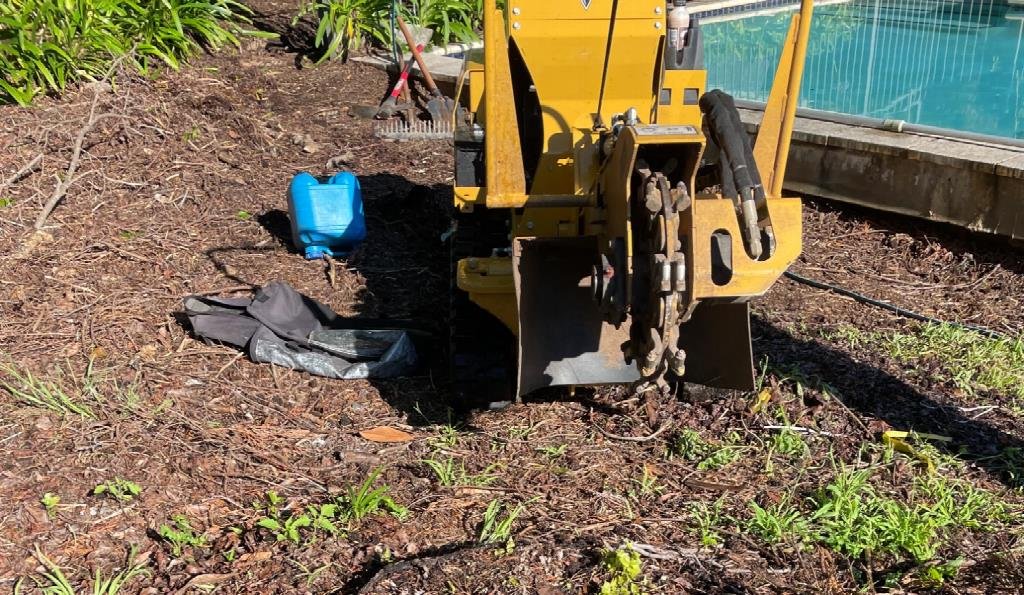
Stump grinding is commonly used to reduce the remaining stump to below the surrounding ground level. Specialised equipment breaks down the timber into smaller wood fragments, allowing the visible stump to be removed without necessarily excavating the entire root system. This process can make the area easier to level and prepare for landscaping.
The appropriate grinding depth depends on how the space will be used afterwards. A shallow grind may be sufficient for some garden applications, while new turf or other landscaping work may require additional clearance. Areas intended for paving, structural foundations or major excavation may need further assessment because grinding does not remove every underground root. Before work begins, underground utilities and other potential hazards should be identified. Access limitations, nearby structures and the size of the stump can also influence the grinding method. Once the work is complete, homeowners can assess how much remaining material needs to be removed or redistributed before preparing the ground for its next use.
Managing Leftover Wood Chips and Soil Conditions
Stump grinding produces a mixture of wood chips, sawdust and soil that often collects around the original stump location. Although this material may appear suitable for filling the remaining hole, using large quantities of fresh wood chips directly beneath new turf or planting areas can create problems as the timber gradually decomposes.
Fresh wood material contains substantial amounts of carbon, and its decomposition can temporarily reduce nitrogen availability when mixed into the soil. The remaining material may also settle over time, leaving an uneven surface. Homeowners should therefore consider removing excess grinding debris from areas intended for lawn establishment or immediate planting. Suitable wood chips may be reused as surface mulch around established garden beds, provided they are applied appropriately and kept away from direct contact with plant stems. The original hole can then be filled with suitable soil that matches the intended landscaping use. Checking soil texture, drainage and nutrient conditions before planting can help determine whether additional preparation is necessary.
Restoring Soil Levels and Preparing for New Turf
After the stump and excess debris have been addressed, the next step is restoring the ground to a suitable level. The area may contain a depression where the stump previously stood, along with loose soil and disturbed surfaces caused by machinery. Proper levelling is important for creating a smooth lawn and preventing water from collecting in unwanted areas.
Homeowners should use suitable soil to fill the cleared space and consolidate it carefully to reduce excessive settlement. The soil should be firm enough to support turf while remaining loose enough for healthy root development. Where necessary, additional topsoil may help create a consistent growing surface. Drainage should also be considered, especially on properties with heavy clay soils or areas that receive significant runoff. Before laying turf, homeowners should remove remaining debris, address major soil irregularities and select a grass variety suited to the site’s sunlight and maintenance requirements. Newly established turf generally requires consistent watering and appropriate care while its roots develop. Following the turf supplier’s establishment instructions can help improve the likelihood of successful growth.
Choosing Suitable Plants for the Cleared Space
Removing a large tree can create opportunities to introduce new plants, garden beds or landscaping features. However, the changed growing conditions should guide plant selection. An area that previously received limited sunlight may now be exposed to several hours of direct sun, changing soil temperature and moisture requirements.
Homeowners should consider the available space, soil type, drainage and expected sunlight before choosing replacement plants. Native species suited to local conditions may be worth considering, particularly in gardens where water efficiency and biodiversity are priorities. If another tree is planned, its mature size, root characteristics and distance from buildings or underground services should be assessed. Replanting directly into the original stump location may be difficult because remaining roots and wood material can interfere with digging and root establishment. Choosing a nearby location with suitable soil conditions may provide better results. Where significant replanting is proposed, an arborist or qualified horticultural professional can help assess the site and recommend appropriate species.
Maintaining Your Garden After Restoration
Garden restoration continues after new turf, plants or landscaping features have been installed. Recently disturbed soil may settle, and newly planted vegetation needs time to establish healthy root systems. Regular monitoring helps homeowners identify changes that require attention before they affect the overall appearance or condition of the garden.
Watering requirements should be adjusted according to weather conditions, soil moisture and the needs of individual plants. Overwatering can be just as problematic as insufficient moisture, particularly in areas with poor drainage. Homeowners should also monitor the former stump location for uneven settlement, emerging shoots or changes in soil condition. Applying appropriate mulch around garden plants can help conserve moisture and reduce weed growth, while routine maintenance supports healthy establishment. If unexpected ground movement or drainage problems develop, further assessment may be necessary. Maintaining a consistent care routine during the first several months can help the restored area become a functional and attractive part of the garden.
Conclusion
Restoring a garden after removing a large tree involves more than clearing branches and covering the remaining space with soil. The original stump, underground roots, disturbed ground and changed sunlight conditions can all influence future landscaping plans. Addressing these factors carefully helps create suitable conditions for new lawns, garden beds and outdoor features.
Homeowners should begin with a thorough site assessment, arrange appropriate stump treatment and prepare the soil according to the intended use of the space. Selecting suitable plants and maintaining the restored area are equally important for long-term results. With careful planning and appropriate professional assistance where needed, an area previously occupied by a large tree can become a practical, attractive and healthy part of the garden.