Underground drainage problems can create significant challenges for homeowners, particularly when damaged pipes are located beneath established gardens, lawns, driveways or outdoor entertaining areas. Traditional pipe repairs often involve excavation to expose the affected section, which can disturb soil, damage plants and require landscaping restoration afterwards. For properties with mature trees, carefully maintained garden beds or expensive paving, this disruption can become a major concern. Fortunately, modern plumbing technology provides several methods for investigating and repairing underground pipes while reducing the need for extensive digging.
Homeowners across Sydney’s Eastern Suburbs often have outdoor spaces that include established landscaping, paved pathways and older underground drainage infrastructure. When sewer or stormwater pipes develop cracks, leaks or root intrusion, identifying the most suitable repair method is important for protecting surrounding areas. Property owners considering pipe relining Eastern Suburbs services can explore how suitable damaged pipes may be repaired with limited excavation. Understanding the available techniques, their limitations and the preparation involved can help homeowners address drainage problems while preserving valuable garden features.
Why Underground Pipe Repairs Can Affect Landscaping
Underground drainage pipes are commonly installed beneath lawns, garden beds, pathways and other outdoor surfaces. Their location depends on the property’s layout, original plumbing design and connections to the wider drainage network. When a pipe becomes damaged, accessing it through conventional excavation may require removing soil, vegetation or hard landscaping above the affected section.
The extent of disruption depends on the pipe’s depth, location and surrounding conditions. A shallow drain beneath an open lawn may be relatively straightforward to access, while a pipe running beneath mature garden beds or concrete paving can present additional challenges. Excavation near established trees may also disturb important roots, potentially affecting their stability or long-term health. Homeowners should therefore consider how the repair method will influence the surrounding landscape before work begins. Identifying alternatives to extensive excavation can help reduce unnecessary damage, although some access work may still be required depending on the condition and location of the pipe.
Common Drainage Problems Beneath Established Gardens
Underground pipes can deteriorate for several reasons, including ageing materials, root intrusion, ground movement and joint failure. Older residential properties may contain clay or other pipe materials that have developed cracks or displaced joints over time. These openings can allow surrounding soil or tree roots to enter the drainage system, potentially restricting water flow.
Tree root intrusion is a common concern in established gardens because roots naturally grow towards areas where moisture and suitable growing conditions are available. If a pipe has an existing crack or leaking joint, roots may enter and expand within the opening. This can contribute to blockages and further deterioration. Other problems include collapsed pipe sections, accumulated debris and changes in pipe alignment. Warning signs may include recurring drain blockages, unpleasant odours, slow drainage or unusually damp ground. However, these symptoms do not always identify the exact cause or location of the problem. A professional drainage assessment is necessary to determine whether the issue involves a localised blockage, structural damage or a more extensive failure.
Understanding Trenchless Pipe Repair Methods
Trenchless pipe repair methods are designed to address certain underground drainage problems without excavating the entire length of the affected pipe. One commonly used technique is cured-in-place pipe relining, which involves installing a resin-saturated liner inside an existing pipe. Once cured, the liner forms a new internal surface that can help restore the pipe’s integrity and function.
Pipe relining can be suitable for some cracked, leaking or root-damaged pipes where the existing structure provides an appropriate pathway for the liner. The process generally involves cleaning the pipe, assessing its condition and installing the liner through suitable access points. However, relining is not appropriate for every drainage problem. Severely collapsed pipes, major misalignment or significant loss of the original pipe’s shape may prevent successful installation. Some situations require excavation or replacement of damaged sections before relining can proceed. The suitability of a trenchless method depends on pipe material, diameter, condition and accessibility. A qualified drainage professional should assess these factors before recommending a particular repair technique.
How CCTV Inspections Help Locate Damaged Pipes
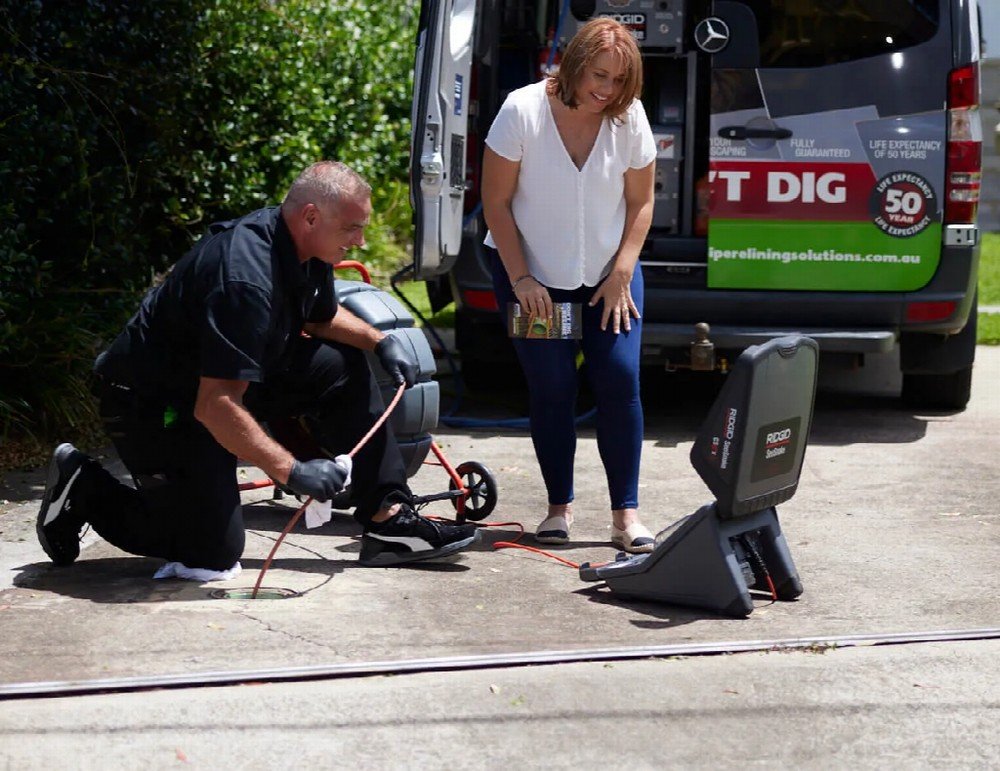
CCTV drain inspections are an important part of investigating underground drainage problems. Specialised cameras are inserted into accessible sections of the drainage system, allowing technicians to examine the internal condition of pipes without immediately excavating the surrounding ground. The footage can help identify cracks, root intrusion, displaced joints, accumulated debris and other visible defects.
Camera inspections also help determine the approximate location and extent of damage. Depending on the equipment and site conditions, additional locating tools may be used to identify the pipe’s position from above ground. This information supports more accurate repair planning and can reduce unnecessary exploratory digging. However, CCTV inspections have limitations. Heavy blockages, standing water or severely damaged sections may prevent the camera from reaching certain areas. Cleaning or additional investigation may be necessary before the full condition of the pipe can be assessed. By identifying the likely cause and location of drainage problems, professionals can determine whether relining, targeted excavation or another repair method is appropriate.
Protecting Trees, Garden Beds and Paved Surfaces
Established gardens often contain plants and landscaping features that have taken years to develop. Mature trees, hedges, garden beds and paved entertaining areas may be difficult or expensive to replace if damaged during underground plumbing work. Protecting these features requires careful planning before repairs begin.
Where trenchless repair methods are suitable, work may be completed through existing inspection openings or other access points, reducing the need to disturb surrounding surfaces. However, additional access may sometimes be required, and equipment placement can still affect lawns or garden areas. Homeowners should discuss the location of machinery, access requirements and any proposed excavation with the contractor before work starts. If repairs are planned near mature trees, an arborist may need to assess potential impacts on significant roots. Protective measures may include restricting machinery movement around sensitive areas and avoiding unnecessary soil compaction. Careful coordination between plumbing and landscaping professionals can help preserve important garden features while allowing essential drainage repairs to proceed.
When Excavation May Still Be Necessary
Although trenchless technology can reduce landscaping disruption, excavation remains necessary in some circumstances. Pipes that have completely collapsed, become severely displaced or developed major structural defects may not provide a suitable pathway for relining equipment. In these situations, damaged sections may need to be exposed and repaired or replaced.
Excavation may also be required when suitable access points are unavailable or when the pipe’s condition prevents effective cleaning and inspection. Some drainage problems involve incorrect pipe gradients, substantial deformation or surrounding ground conditions that cannot be corrected through internal lining alone. A targeted excavation may sometimes provide a more practical and durable solution than attempting an unsuitable trenchless repair. Homeowners should be cautious of claims that every underground pipe can be repaired without digging. The appropriate method should be based on inspection findings, technical limitations and long-term performance requirements. Understanding why excavation may be necessary helps property owners make informed decisions and plan for any unavoidable landscaping restoration.
Planning Underground Repairs With Minimal Disruption
Reducing disruption begins with identifying the drainage problem accurately and understanding the layout of the property. Before repairs commence, homeowners should provide relevant information about previous plumbing work, recurring blockages and known underground services. Existing drainage plans may also assist professionals in locating pipes and determining suitable access points.
A clear repair plan should explain the proposed method, expected work area, equipment requirements and any likely impact on landscaping. Homeowners should ask whether garden beds, paving or lawn sections need to be removed and how disturbed areas will be managed afterwards. It is also important to confirm whether the quotation includes pipe cleaning, inspection, testing and any necessary reinstatement work. Where excavation is unavoidable, targeted access can help limit the affected area. After repairs are completed, appropriate testing and documentation can provide useful information about the condition of the repaired section. Planning these details in advance helps minimise unexpected costs and makes it easier to coordinate any remaining landscaping work.
Conclusion
Repairing underground pipes does not always require extensive excavation or major damage to established gardens. Modern inspection equipment and trenchless repair techniques can help identify and address suitable drainage problems while reducing disturbance to lawns, garden beds and paved surfaces. However, the condition and accessibility of the existing pipe determine which repair methods are practical.
Homeowners experiencing recurring drainage problems should arrange a professional assessment before deciding on a repair approach. CCTV inspections, careful planning and appropriate repair methods can help protect surrounding landscaping while addressing the underlying drainage issue. By understanding the available options and their limitations, property owners can make informed decisions that support reliable drainage and preserve the appearance and functionality of their outdoor spaces.