Homeowners know that water damage can be a serious problem, causing costly repairs and health risks. Preventing water damage before it occurs is much easier and less costly than fixing issues after the fact. By taking a few careful steps, you can protect your investment and keep your family safe. For anyone living in Rhode Island, local professionals can also help. If damage does occur, immediate help is available at water damage restoration Rhode Island.
Staying alert and acting quickly is key. You do not have to wait for major signals of trouble. A little prevention now will offer peace of mind and reduce the chance of headaches later. Early action can also prevent mold growth and other harmful consequences of water leaks. These practical tips are easy to follow and could save you thousands in repairs over the years.
Water damage starts small but can become a big problem almost overnight. Keeping an eye on potential trouble spots lets you respond before a small leak turns into a soaked floor or wall. Many companies offer local support if you suspect issues through services like water leak detection Rhode Island.
Regular Inspections
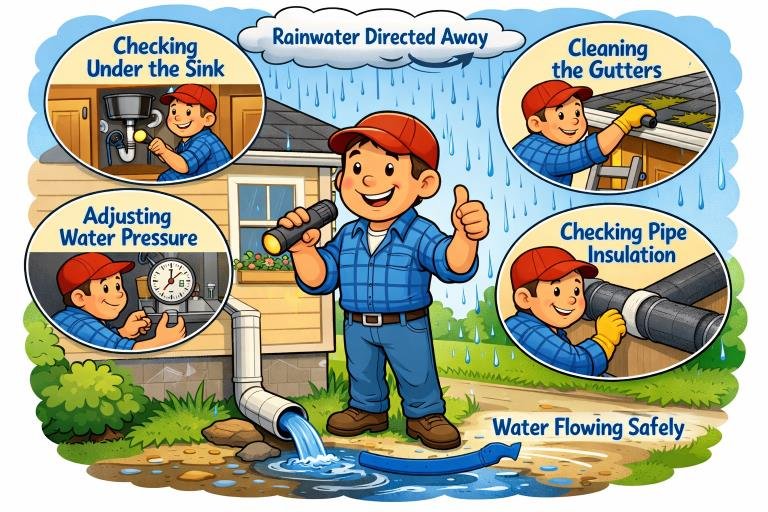
Regularly inspecting your home’s plumbing is important. Check under sinks, around tubs, and along baseboards for dampness or moldy smells. Even tiny leaks can signal bigger problems. Pay attention to sudden spikes in your water bill, too. High bills can indicate a hidden leak in your home. Spotting issues early not only saves money but also helps prevent serious structural problems caused by unaddressed leaks.
Maintaining Gutters and Downspouts
Clean gutters and downspouts every season, especially after fall when leaves can clog them. When gutters are blocked, water overflows and can damage your roof, walls, and even your foundation. Make sure downspouts direct water at least five feet away from your house to protect the area where the ground meets the foundation. If you are unsure how to clean gutters safely, consider hiring a local professional.
Monitoring Water Pressure
If your water pressure is too high, pipes may burst, or connections can come loose. Most hardware stores sell easy-to-use water pressure gauges. Place the gauge on a faucet and turn on the water. If the reading is above 80 psi, it is time to install a pressure regulator or contact a plumber. Keeping water pressure in check guards against unexpected leaks and extends the life of your pipes and appliances.
Installing Leak Detection Devices
Leak detectors can help catch water problems fast. These small devices sound an alarm when they detect water where it shouldn’t be, such as under sinks, near washing machines, or in basements. You can buy affordable battery-operated detectors or choose smart versions that connect to your phone and alert you wherever you are. Early detection can limit even major water emergencies, stopping bigger issues before they start. For more advice on using technology in the home, visit this Consumer Reports water safety and quality guide.
Insulating Pipes
In cold areas, pipes sometimes freeze and burst, causing significant flooding. Make sure to insulate pipes in the attic, basement, and along exterior walls. Foam sleeves are an easy and inexpensive way to do this. Pay special attention to pipes located in unheated or poorly insulated spaces. Keeping the heat on during cold weather, even when you are not home, can also help prevent frozen pipes.
Maintaining Appliance Hoses
Appliance hoses do not last forever. Inspect them every year, especially the hoses behind your washing machine, dishwasher, and fridge. Look for cracks, wet spots, bulging, or signs of wear. It’s a good rule to replace rubber hoses every five years or sooner if there is any sign of damage. Consider switching to braided stainless-steel hoses for added durability. Regular checks ensure that a failed hose will not flood your laundry or kitchen.
Landscaping Considerations
Landscaping is about more than curb appeal. Have the ground slope away from your foundation so rainwater does not collect near your home. This keeps the soil from becoming oversaturated and avoids leaks through your basement walls. Also, avoid planting big trees or shrubs close to your house. Their roots can break through water lines or foundation walls, increasing the likelihood of leaks. For more landscaping advice to prevent water problems, read these landscaping tips from the EPA.
Knowing Your Water Main
Find out where your main water shut-off valve is located now, before there is an urgent need. In an emergency, shutting off your home’s water supply quickly can help reduce damage. Teach family members how to turn it off, especially if you plan to be away for some time. Practice this step so no one is caught off guard if there is a leak or burst pipe.
External Resources
Staying informed and acting early are the best ways to protect your home from water damage. Make use of free online resources and community support available to homeowners. For professional support, local water-damage and leak-detection teams in Rhode Island are ready to assist if needed.