Key Takeaways:
- Choosing the right roofing material impacts your home’s durability, energy efficiency, and overall aesthetic appeal.
- Climate considerations should guide material selection, ensuring your roof withstands local weather conditions.
- Different roofing materials vary in lifespan, maintenance requirements, and cost; balancing these factors maximizes long-term value.
- A roof that complements your home’s architectural style can enhance curb appeal and property value.
- Energy-efficient materials, such as metal or clay tiles, help reduce cooling costs and contribute to environmental sustainability.
- Consulting a qualified local contractor ensures proper installation, adherence to building codes, and long-term performance.
Selecting the right roofing material is a pivotal decision for any homeowner. The choice affects not only your home’s curb appeal but also its protection, comfort, and energy savings over time. Whether building new or planning upgrades, understanding roofing materials will help you make an informed investment. If you are considering a roof replacement in Houston, TX, it is wise to evaluate all your options based on your region’s unique climate and conditions.
Roofing is more than just a visual upgrade; the right choice can extend your home’s lifespan and lower your utility bills. Prioritizing durability, weather resistance, and energy efficiency alongside style ensures your house stays protected for decades.
Climate Considerations
Your regional climate should be the first factor in your roofing decision. Materials like metal are excellent for locations with heavy rainfall or snow since they shed water and ice efficiently without deteriorating. In contrast, clay tiles excel in areas with high temperatures and abundant sunlight because they offer natural insulation and resist heat absorption. Selecting a material that withstands local weather reduces long-term repair costs and prevents premature aging of your roof.
Material Durability and Maintenance
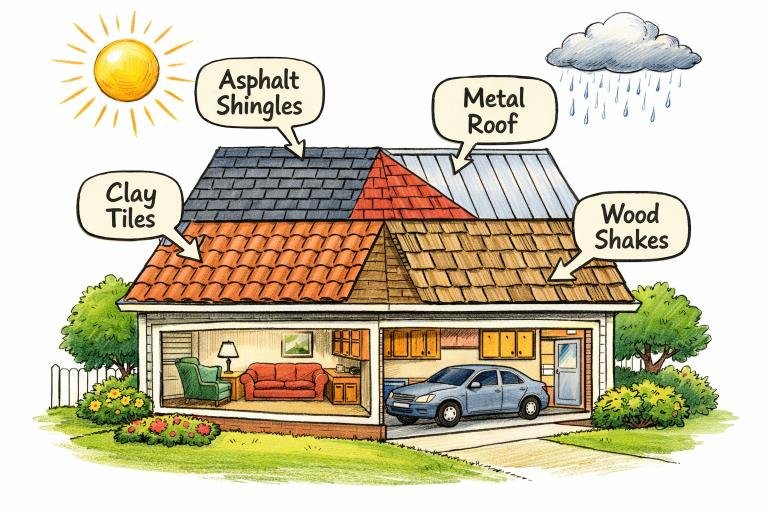
Each roofing type has a distinct expected lifespan and maintenance requirement. For instance, asphalt shingles generally offer a balance of affordability and durability, lasting about 15–30 years, though they must be inspected periodically for wear and tear. Metal roofs are known for their impressive durability; many last upwards of 50 years with relatively simple upkeep. Natural wood shakes offer rustic charm and decent insulation, but require regular care and protection against rot and insects. If you plan to stay in your current home long-term, investing in a material with greater longevity might be the best financial decision.
Aesthetic Compatibility
While durability is key, your roof must also suit your home’s architectural style. Classic homes tend to benefit from traditional choices like clay tiles or wood shakes, which enhance historical or rustic features. Contemporary architecture often looks best with minimalist metal panels or flat roofing solutions that reflect a modern aesthetic. Choosing a compatible material will not only blend your roof seamlessly with the rest of your exterior but may also boost your property value by enhancing visual appeal.
Budget and Long-Term Value
Roofing projects range in cost according to the material chosen and the size of your home. Budget-friendly options like asphalt shingles are widely available and easy to install, making them popular for many homeowners. Higher-end choices, such as slate or premium metal, present a larger initial investment but deliver significant longevity and low ongoing maintenance. Remember to include labor costs and potential structural enhancements, especially if you select heavier options like tile or slate. Analyzing the total lifecycle cost, balancing installation and maintenance ensures you get the greatest value even if the upfront price is higher.
Energy Efficiency
The right roofing material can also contribute to a more energy-efficient home. Metal and clay tile roofs excel at reflecting sunlight, helping to maintain cooler indoor temperatures during hot summer months and lowering cooling expenses. Some modern materials are available with special coatings that further enhance their energy-reflective properties. Environmentally conscious homeowners may appreciate this not only for the utility savings but also for the positive environmental impact over the years.
Popular Roofing Materials
- Asphalt Shingles: Widely used for their low cost and easy installation, asphalt shingles come in many colors and profiles and are suited for different home styles.
- Metal Roofing: Noted for its high durability and reflective qualities, metal roofing works well on both modern residences and older homes in need of an update.
- Clay Tiles: Especially popular in Mediterranean and Southwestern architecture, clay tiles resist fire and weather but are heavier and more expensive to install.
- Wood Shakes/Shingles: These provide a natural, textured appearance perfect for craftsman or cottage-inspired homes, but require more upkeep and are less fire-resistant.
Consulting Professionals
After narrowing down your preferred roofing type, the next step is to engage a qualified contractor. Online searches for terms like “roof replacement near me” can help you find specialists who understand local regulations and best installation practices. Always check reviews and request references before committing to a contractor to ensure you get quality workmanship and materials.
Final Thoughts
Making the right roofing choice requires weighing several important factors: climate compatibility, lifespan, design coherence, budget, and energy efficiency. By thoroughly evaluating these elements and working with reputable installers, you can feel confident in a new roof that protects, beautifies, and optimizes your property for years to come.