You may clean your patio patio by sweeping, scrubbing, and sometimes even spraying it with water, and it may still remain dirty. Many think that debris that is visible is the main problem. However, the issue is likely deeper than surface level. When it comes to patio cleaning, you have to think outside the surface level.
Understanding the surface debris and the deeper grime will help you bring your patio back to the shiny condition it used to be in.
Surface debris and the deeper grime
Dirt may be classified into a few different categories. Little things that gather on your patio like leaves, dust and other small particles may gather on your patio over time. You can tackle this first layer of dirt by sweeping away particles, and you will notice an improvement to to the patio’s appearance. This, however, is only a temporary fix.
The bigger picture is that surface debris forms only part of the problem.
Underneath the surface debris is grim and dirt like:
– dirt that has collected in pores in your patio material.
– Ancient mold and mildew
– Waterline stains from algae growth
– Oil and grease
– soot and grime that has collected from the air.
Surface debris can be removed with sweeping, but the deeper grime that is collected within the patio’s material is much more difficult to remove. Patio materials, like concrete and stone, are porous which means that the patio material collects the dirt and debris. Therefore, the larger, collected contaminants, deep down, remain which means that sweeping your patio will not clean it.
Reasons Why Sweeping is Ineffective for Patio Cleaning
Sweeping collects dirt and debris, and moves it from one place to another on the patio. This is very useful for routine maintenance of your patio, but it leaves the patio unclean.
It’s like cleaning carpet. Sure, you can remove crumbs, but you can’t get underneath. Your patio is similar.
Even if you clean your patio, you only do some surface cleaning of:
– Dust and dirt
– Organic matter
– Airborne pollutants
What you leave behind is trapped dirt, and they can make your patio look permanently dirty.
Reasons Why Rinsing with Water is Not Enough
The next thing people do is grab the hose. Rinsing can help remove some debris, but it’s not a solution.
These are some reasons why:
– Water pressure is not enough
– There are some dirt stains that, even if you use water, may need soap
– Mildew can actually become worse
Water can make your patio worse if you use it frequently. Water can also push the dirt deeper.
Help Understanding Concrete and Stones
To really understand the problem, you need to understand the material.
Different types of stone and concrete contain holes and spaces that absorb liquids and particles. These holes and spaces capture particles as dirt, moisture, and organics. Chemicals may also capture. These elements will interact with outer surface of the substrate and capture. That is how stains and discoloration forms.
High quality patios are also not exempt. New surfaces for patios usually absorb stains faster until they are sealed.
Why Stains Keep Coming Back
Patio owners often have trouble with stains coming back no more than a few days after the patio is cleaned. This is partially due to the fact that the top surface can be cleaned without addressing the issues at their core. Stains often reach deeper than the plush surface of the patio. High moisture can bring stains back to the surface, while the surface can remain stained and have no moisture. The surface may receive lots of foot traffic, and while the surface may not look dirty the juncture may become dirty and that can sink to a deeper level.
Common Types of Patio Stains
If you have a patio that is perpetually dirty, here are some common reasons why your patios may have stains.
- Mold and Mildew
Mold and mildew, while unpleasant, tend to occupy shaded and damped areas of patios. This stain may be dark or dark green.
- Algae
This makes the surface of the patio damp and hence slippery. Algae is common in humid conditions and can create a surface that is very stubbornly dirty.
- Oil and Grease
Oil and grease can deeply stain surfaces and be very common from sources that can have include heat and vehicles.
- Rust Stains
Rust stains from metal furniture or fixtures appear as orange or brown streaks.
- Organic Stains
Tannins and pigment found in leaves and flowers and dirt will similarly stain and discolor.
All these stains require cleaning beyond a simple sweep or rinse.
The Science Behind Deep Cleaning
To effectively clean a patio, a true patio clean needs to ‘un-fuse’ dirt from the patio.
This involves:
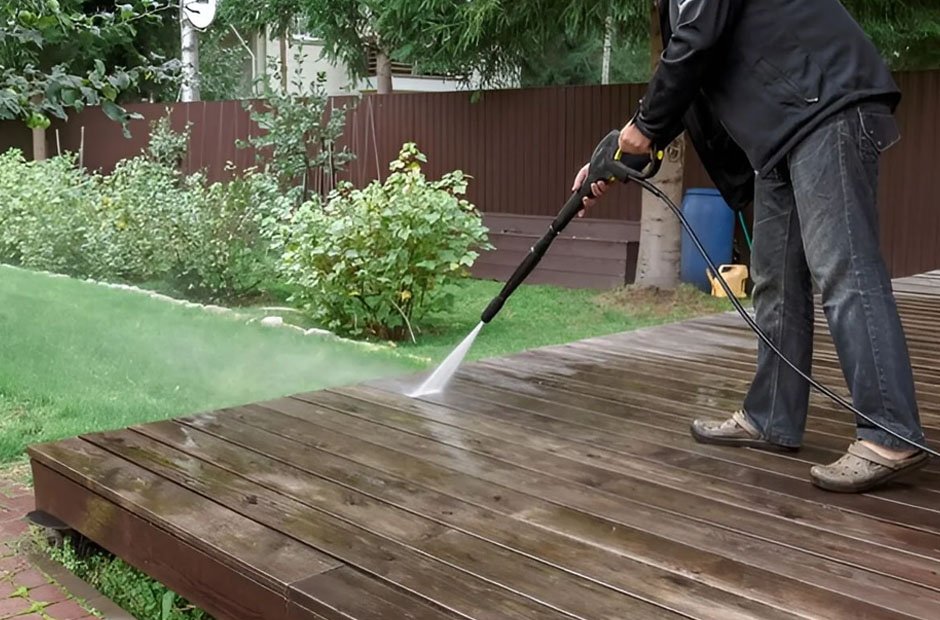
– penetrating patio pores with high pressurized water,
– cleaning solutions that are tough on stains, and
– lifting dirt, stains, and residue instead of pushing them.
Any traditional cleaning method lacks the adequate pressure and optimal methods that lift stains rather than push them deeper.
When to Consider Professional Help
If your patio cleaning has gone beyond simple wipes and even advanced cleaning has not removed the stains, professional cleaning is an option.
A lot of people will opt for house washing services to effectively restore the outdoor surfaces of their home. This option utilizes professional equipment that’s more advanced to avoid damaging the house while attempting to get the dirt out.
A professional clean will:
– restore some of that original shine and hue,
– actually lift stains instead of scrubbing at them,
– remove mold, algae, and fungus
– lengthen the timeframe in which you’ll need to clean your patio again.
The equipment comes with the danger of damaging the surfaces if used improperly. The best means to protect your surfaces is to leave it in the (professionals) hands of those who are trained to utilize the equipment.
Preventing Future Buildup
Once your patio isDeep cleaned properly Cleaning the patio is a simple task.
Keep your outdoor surface fresh looking with the following tips:
– Sweep Prevent neglected debris with sweeping.
– Absorb Quickly clean spills so they don’t go deep.
– Shade Cut back the small plants in your patio plant beds or pots to prevent additional moisture and shade.
– Sealing To control porosity, a surface seal is a good idea.
– Schedule Full surface cleanings with a professional every now and then.
For patios that have already absorbed years of staining, a permanent concrete patio coating goes a step beyond sealing — replacing the porous top layer with a sealed decorative finish that doesn’t re-stain and breaks the cleaning cycle altogether.
In Summary
If the surface of your patio appears dirty, steps sweep close to it, don’t worry, you just don’t have to keep your mats clean to continuously solve the issue.
The most neglect while sweeping is the neglect cloaked right in the centre. The cloaked is being split into various deep neglected grout and once.
With your patio. Then comprehending surface cleanings and deep cleanings.