Key Takeaways
- Protect people and pets before troubleshooting equipment.
- Check only simple causes, including thermostat settings, filters, vents, and breakers.
- Stop immediately if there is smoke, sparking, burning odors, standing water near wiring, or repeated breaker trips.
- Use shade, hydration, fans, and a temporary cooled location to limit heat exposure.
- Ask a technician to explain repair, partial replacement, and full system replacement options clearly.
- Maintenance and early repairs can reduce the chance of another heat-wave breakdown.
When an air conditioner quits during a heat wave, the priority is not diagnosing every mechanical possibility. It is keeping people, pets, and the home safe while arranging qualified help. Whether you need a straightforward repair or a rapid replacement, understanding the basics of heating cooling and heat pumps can help you make steadier decisions under pressure.
Start with low-risk checks, reduce indoor heat immediately, and know when to stop. A failed AC can be uncomfortable, but it can also become urgent when indoor temperatures climb, vulnerable household members are present, or electrical and water hazards appear.
Why a Cooling Failure Can Become Urgent
Indoor temperatures can rise quickly when the sun is beating on windows, insulation is limited, or a home has multiple occupants and appliances producing heat. Older adults, infants and young children, pets, and people with medical conditions or medications that affect temperature regulation may be at greater risk. Review practical extreme heat safety advice before an emergency occurs, especially if your household does not have an alternate, cooled place to go.
A broken AC is not automatically a mechanical emergency. It becomes more serious when the home becomes unsafe, a person shows signs of heat illness, the system poses an electrical hazard, or a leak could damage ceilings, walls, or flooring.
First Steps to Take When the AC Stops
- Move children, older adults, pets, and anyone with health concerns into the coolest available room.
- Close blinds, curtains, and shades on sunny windows, then turn off ovens, dryers, and other heat-producing appliances.
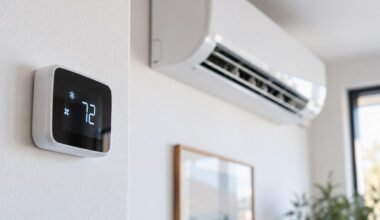
- Check whether the thermostat display is active and whether it is set to “Cool” at a temperature below the current indoor temperature.
- Note unusual sounds, burning odors, water leaks, ice, or changes in airflow before calling for service.
- Contact a qualified HVAC professional if cooling does not return promptly or if warning signs are present.
Safe Checks Homeowners Can Make
Keep troubleshooting limited to visible, low-risk items. Replace weak thermostat batteries if applicable, inspect the filter for heavy dust, and make sure supply vents and return grilles are open and unobstructed. A severely clogged filter can restrict airflow, contribute to coil icing, and put extra strain on the system.
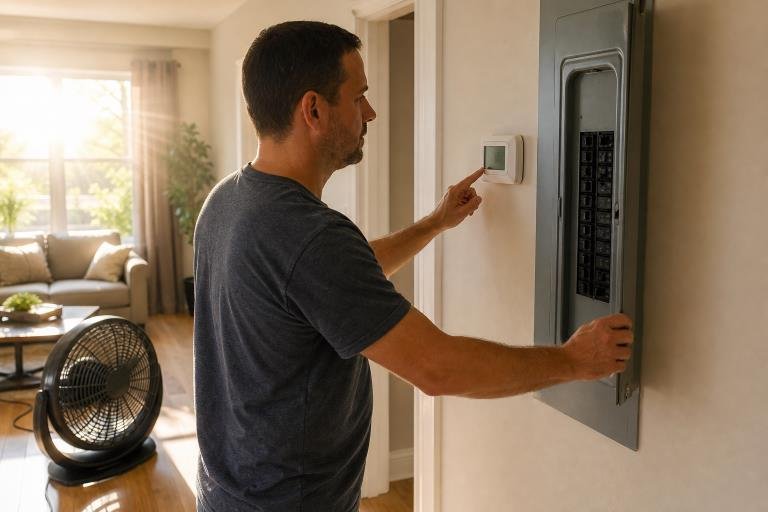
You can also look at the electrical panel for a tripped HVAC breaker. Reset it only if there are no burning smells, smoke, water near the equipment, or other danger signs. If it trips again, leave it off and schedule service. Outside, remove loose leaves, grass clippings, or debris around the condenser, but do not open panels or touch electrical components.
When to Stop Troubleshooting
Repeated resets, improvised wiring repairs, and attempts to force a system to run can create more damage. Turn the system off and seek professional help if you notice any of the following:
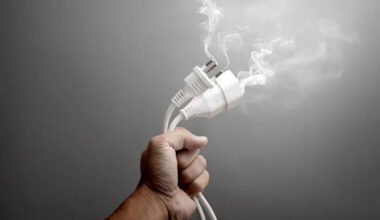
- Burning odors, visible smoke, sparks, buzzing, or exposed wiring.
- Water pooling near electrical equipment or active leaks through ceilings.
- A breaker that trips again after one careful reset.
- Grinding, screeching, loud banging, or a complete loss of airflow.
- Heavy ice on refrigerant lines or coils, or signs of a refrigerant leak.
How to Stay Cooler While Waiting for Help
Consolidate everyone into one shaded room, preferably on the lowest floor. Use portable fans to circulate air, drink water regularly, choose light meals, and use cool showers or damp cloths on the neck and wrists. Keep windows and exterior doors closed when outdoor air is hotter than indoor air. If the home becomes unsafe, relocate to a library, community center, hotel, friend’s home, or another air-conditioned location.
Common Reasons an AC Fails During a Heat Wave
High demand can expose existing weaknesses. Common causes include clogged filters, dirty outdoor coils, failed capacitors or contactors, fan motor problems, blocked condensate drains, thermostat or control-board failures, refrigerant leaks, and compressor failure in older systems. Power interruptions, voltage issues, and damaged wiring can also interrupt cooling. Only an in-person evaluation can identify the actual cause.
Repair or Replace: Make a Calm Decision
Before approving major work, ask how old the equipment is, which component failed, whether warranty coverage applies, and how often the system has needed repairs recently. A repair may make sense when the issue is isolated and the unit otherwise performs well. Replacement may be more practical when a major component fails in an aging system, parts are unavailable, efficiency is poor, or repeated repairs are adding up.
A technician should also consider whether the equipment is properly sized and whether ductwork, electrical service, insulation, drainage, or humidity problems are affecting performance. A new outdoor unit should be properly matched to the indoor equipment, not selected solely because it is available quickly.
What a Professional Evaluation Should Include
- Verification of electrical supply, breaker condition, and thermostat operation.
- Inspection of indoor and outdoor components, filters, airflow, and drainage.
- Appropriate refrigerant and leak testing when the symptoms indicate a sealed-system issue.
- Performance measurements after repairs or installation.
- A plain-language explanation of repair, replacement, temporary cooling, warranty, and cost options.
Choosing a Replacement System Under Pressure
Do not choose solely on the basis of the lowest price or the fastest delivery. Ask whether the system will be sized for the home, what efficiency level fits your budget, and whether better humidity control would improve comfort. Depending on the property, a central air system, a heat pump, or a ductless solution may be appropriate. Confirm permit requirements, warranty terms, startup testing, and follow-up service before work begins.
How to Prepare for Fast Installation
Clear a safe path to the air handler and outdoor unit, move fragile belongings away from work areas, secure pets, unlock gates, and provide access to utility spaces. Gather warranty information, maintenance records, and recent repair invoices. Before agreeing to a rushed purchase, ask what equipment is actually available and what work is included in the written estimate.
Documenting the Problem and Protecting the Home
Keep a short record of what happened and when. Write down the indoor temperature if you can measure it, the time cooling stopped, thermostat settings, breaker behavior, and any noises or odors. Take photos of ice, water, error messages, or visible damage from a safe distance. This information can help the service team prioritize the call and arrive prepared with likely parts or equipment. Avoid repeatedly starting and stopping the system while waiting. If you turn it off due to ice or a suspected electrical problem, leave a note for everyone in the household so no one turns it back on.
Power Interruptions and Household Safety
During an outage or high-demand period, remember that the issue may not be limited to the air conditioner. Check whether nearby rooms have power, whether lights are dimming, and whether neighbors are reporting similar problems. If the utility supply appears unstable, protect sensitive electronics with appropriate surge protection when possible, but do not treat that as a substitute for an electrical inspection. Keep refrigerator and freezer doors closed to preserve food during a power interruption. Use battery-powered lights instead of candles, and never run a generator, grill, or fuel-burning device indoors, in a garage, or near open windows or doors.
Communicating Clearly With the Service Team
Communication also makes a stressful situation easier to manage. When scheduling service, provide the equipment brand and approximate age if known, describe the symptoms without guessing at the diagnosis, and explain any household health concerns. Ask for the expected arrival window, after-hours charges, diagnostic fees, and whether someone eighteen or older must be present. Keep your phone charged and listen for calls or text updates. If a technician recommends replacement, request the model numbers, scope of work, removal plan, and payment terms in writing. Save copies of receipts and photos, especially if water damage or an insurance claim is possible.
After Cooling Is Restored
After cooling returns, do not assume the underlying problem has disappeared. Watch the system over the next day or two for steady airflow, cycling, dry drainage, and consistent temperatures between rooms. Make sure the outdoor unit is running without unusual vibration, while keeping hands, tools, and equipment away from it. If the repair involved a condensate drain, ask where the discharge point is and what routine cleaning is recommended. If a part was replaced, confirm the labor and part warranty details. Schedule any recommended follow-up visit and write down the filter size and replacement interval so future maintenance is simpler.
Frequently Asked Questions
Is a broken AC always an emergency?
No. Urgency depends on indoor conditions, health risks, heat exposure, electrical hazards, water damage, and the time required to restore cooling.
Should the breaker be reset?
One careful reset may be reasonable when there are no warning signs. Repeated trips require professional inspection.
When is replacement more practical than repair?
Replacement is often worth considering for older systems with major failures, repeated repairs, poor efficiency, unavailable parts, or broader comfort problems.
Reduce the Risk of Another Breakdown
Change filters regularly, keep the outdoor unit clear, and schedule professional maintenance before the hottest period of the year. Address weak airflow, short cycling, odd noises, drainage problems, and uneven temperatures early. Keep an HVAC contact handy and create a cooling plan for family members, pets, and any essential medical equipment. Fast action does not require panic. Protect people first, perform only safe checks, and get qualified help when warning signs appear.
Conclusion
An air conditioning failure during hot weather can quickly become more than an inconvenience, making preparation and prompt action essential. By prioritizing safety, performing only simple troubleshooting, recognizing when professional service is needed, and maintaining your system regularly, you can reduce the risk of extended downtime and protect both your home and everyone in it during periods of extreme heat.