Strategic Backyard Renovation and Landscaping: Planning, Costs, and Hiring
Before a single shovel hits the dirt, a successful renovation requires a comprehensive assessment of the land. The most beautiful design will fail if the underlying foundation is compromised by poor drainage or improper soil grading. Water management is the “unsung hero” of any outdoor project; failing to direct runoff away from the home’s foundation can lead to costly structural damage over time. Homeowners should evaluate the slope of their yard and consider professional grading to ensure that water flows away from structures and into designated drainage areas.
Zoning regulations and local ordinances also play a critical role. Before finalizing a layout, it is essential to check with local building departments regarding setback requirements, height limits for structures like pergolas, and any specific rules regarding pool safety or fence heights.
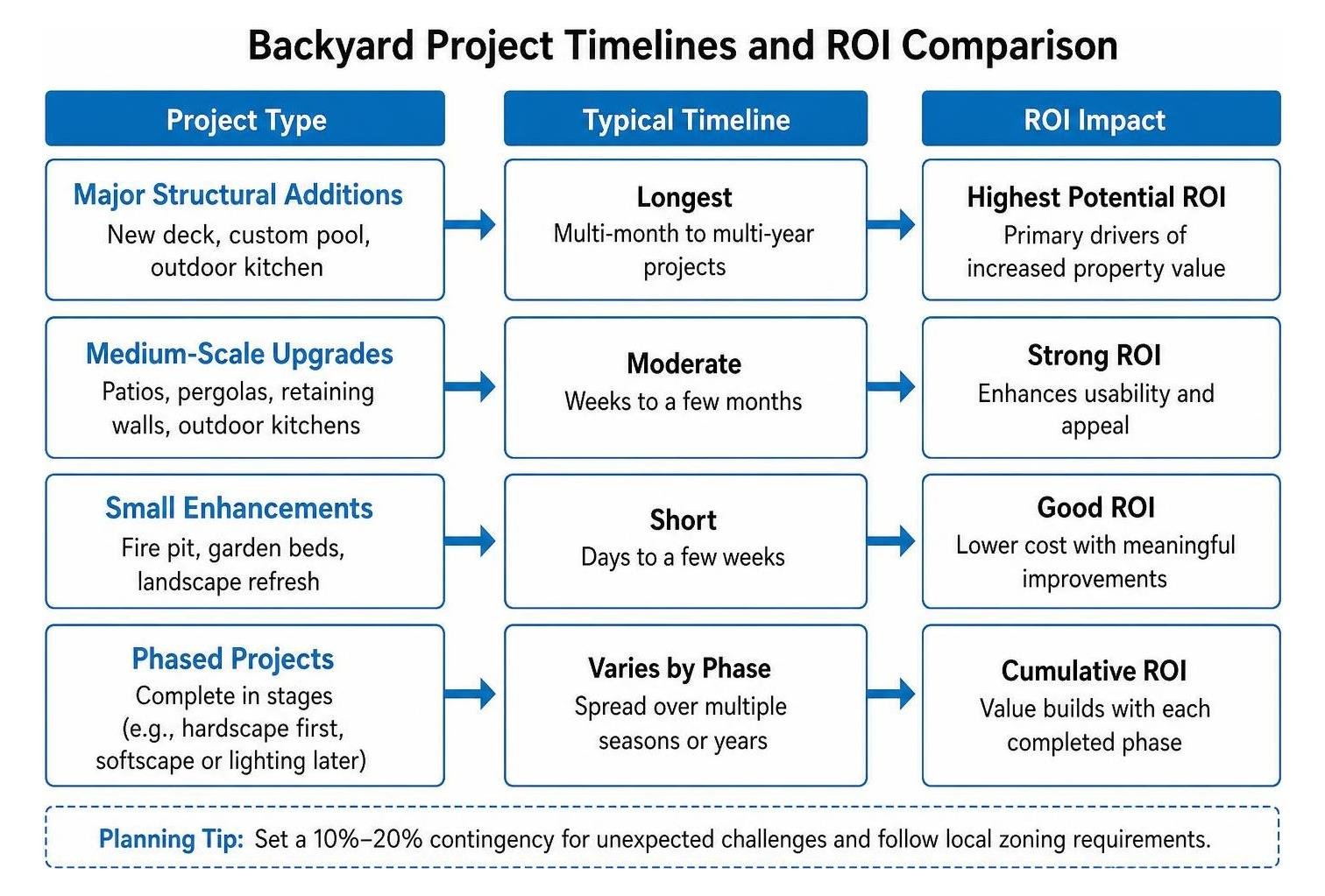
Budgeting for these projects requires a disciplined approach. Experts suggest setting aside a 10% to 20% contingency fund to cover unforeseen challenges, such as hitting hidden utility lines or encountering rocky soil that requires extra excavation. Phased planning is another effective strategy; by breaking a large project into logical segments—such as completing the hardscape in the first year and the softscape or lighting in the second—homeowners can manage cash flow without sacrificing the quality of the final result.
Key Factors and Costs in Backyard Renovation and Landscaping
When planning the layout, site orientation is paramount. Understanding how sunlight moves across the property throughout the day helps determine the placement of seating areas, gardens, and shade structures. For example, an outdoor kitchen or dining area is often best placed in a location that receives natural shade during the hottest part of the afternoon.
The scope of the renovation dictates the financial commitment. Major structural additions, such as a new deck or a custom pool, carry higher upfront costs but often serve as the primary drivers of increased property value. Conversely, smaller projects like adding a fire pit or refreshing garden beds offer a lower barrier to entry while still significantly improving the yard’s usability.
Choosing Contractors and Financing Large Upgrades
Selecting the right professional team is the most important decision in a major renovation. A reliable contractor should be able to provide proof of valid licensing, general liability insurance, and worker’s compensation coverage. When vetting companies, it is wise to request a portfolio of previous work to see if their aesthetic matches your vision.
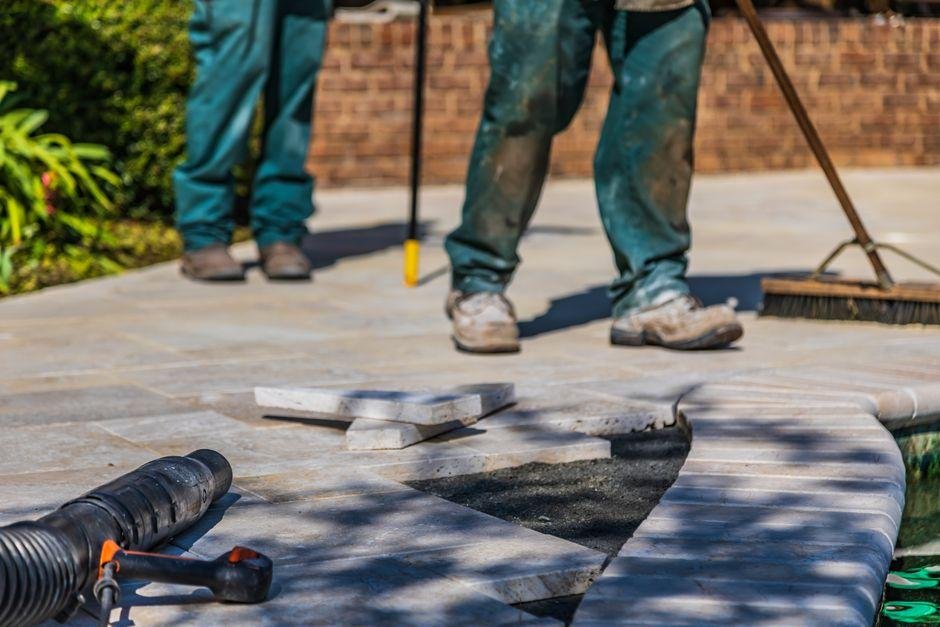
For those looking to build a comprehensive outdoor retreat, partnering with a team that installs and maintains pools ensures that high-end water features are integrated correctly with the rest of the yard’s plumbing and electrical systems. Similarly, for structural foundations and pathways, hiring certified concrete contracting services guarantees that your patios and walkways are poured and finished to withstand local weather cycles.
When it comes to financing, many homeowners opt for home equity loans or lines of credit (HELOCs), which often offer more favorable interest rates compared to high-interest credit cards or personal loans. Regardless of the financing method, always ensure that your contract includes clear milestones for payments, and never hesitate to ask for lien waivers to protect your property from potential subcontractor disputes.
Professional vs. DIY Backyard Renovation and Landscaping Projects
The decision to tackle a project yourself versus hiring a professional depends on your personal skill level, available time, and the complexity of the work. DIY projects like stenciling a concrete patio or laying a simple pea gravel path are excellent ways to save money and add personal flair to a space. However, tasks involving structural integrity, gas lines for fire features, or extensive grading should almost always be left to the pros.
Professional landscape design and installation services bring a level of expertise that ensures the longevity of your investment. A professional designer understands how to select plants that will thrive in your specific hardiness zone and how to install irrigation systems that minimize water waste.
Project Type Cost Intensity Risk Level Durability DIY Painting/Stenciling Low Low Moderate DIY Small Planting Low Low Moderate Professional Hardscape High Low High Professional Pool/Kitchen Very High Very Low Very High
Maximizing Outdoor Potential: Design, Space, and Long-Term Value
To truly maximize an outdoor space, think of the backyard as a series of “outdoor rooms.” By creating distinct zones for dining, lounging, and gardening, you can make even a modest yard feel expansive. Architectural continuity is key; the materials used in the backyard should ideally echo the style of the home’s interior to create a seamless transition between the two.
Microclimate design is another often-overlooked factor. By observing which areas of the yard are wind-swept or prone to frost, you can position seating areas to take advantage of natural shelter or add privacy screens to create a more intimate atmosphere.
Trending Features: Outdoor Kitchens, Fire Pits, and Sustainable Plantings
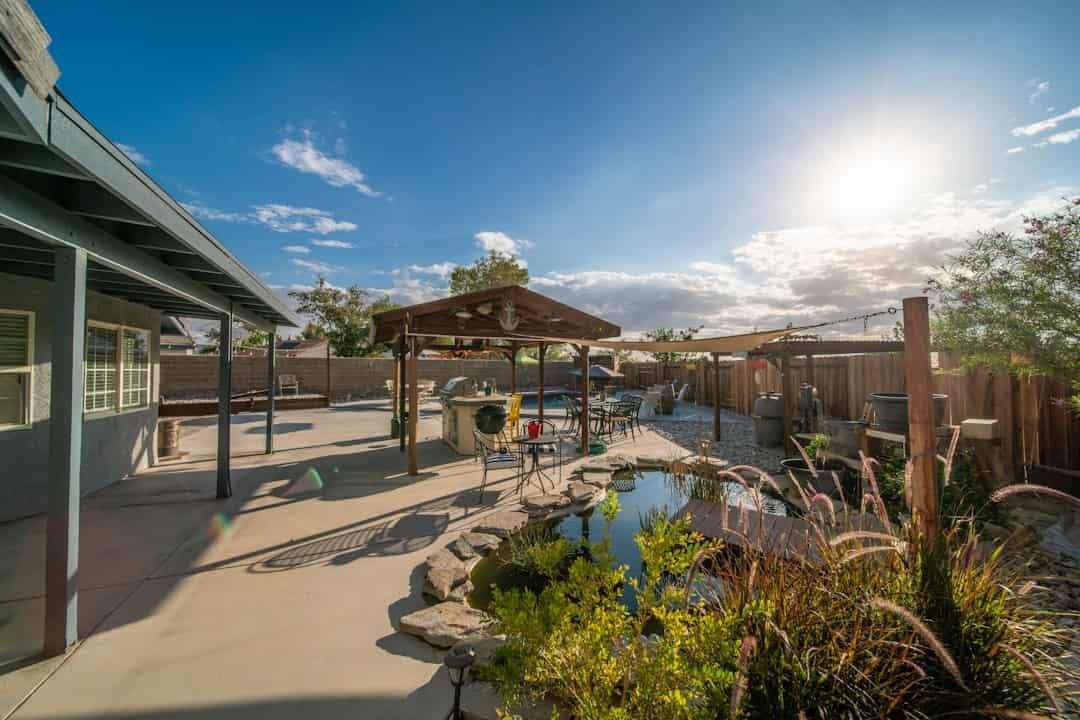
Current trends favor features that extend the usability of the backyard into the evening and across different seasons. Outdoor kitchens have become a staple for those who love to entertain, while fire pits remain the most sought-after feature for creating a cozy, social atmosphere.
Sustainability is also at the forefront of modern design. Xeriscaping—the practice of landscaping with drought-tolerant plants—is gaining popularity as a way to reduce water consumption and maintenance time. Incorporating native perennials not only supports local pollinators but also ensures that the garden is well-adapted to the local environment, requiring less fertilizer and intervention. Permeable pavers are another excellent choice, as they allow rainwater to soak back into the ground rather than running off into the storm drain.
Climate-Resilient Plant and Material Checklist:
- Native Grasses: Low water needs, provides year-round texture.
- Lavender and Sedum: Drought-tolerant and attracts beneficial insects.
- Permeable Pavers: Reduces runoff and prevents water pooling.
- Drip Irrigation: Delivers water directly to roots, preventing evaporation.
Creative Solutions for Small Spaces and Budget-Friendly Upgrades
You do not need a sprawling estate to create a high-impact backyard. Small spaces benefit tremendously from vertical thinking. Installing a vertical garden on a fence or a blank wall can add lush greenery without sacrificing square footage. Built-in seating, such as benches that double as storage units, helps keep the area tidy while providing ample room for guests.
Optical zoning is another trick of the trade. Using different materials—like a transition from a wood deck to a gravel patio—can visually define different areas of a small yard, making the space feel purposeful rather than cluttered. For a budget-friendly touch, consider modular furniture that can be easily rearranged, or use string lighting to create a sense of enclosure and warmth, turning a small corner into a “destination” spot for evening relaxation.
By prioritizing functionality and choosing materials that stand the test of time, you can ensure that your backyard renovation remains a source of joy and value for years to come. Whether you choose to phase your project over time or complete a full transformation at once, the key is to approach the process as an investment in your home’s most versatile living space.