Backyard excavation is an important part of many residential construction and landscaping projects. Whether homeowners are planning a swimming pool, installing drainage, building a retaining wall or preparing foundations for an outdoor structure, removing soil and preparing the ground correctly is essential. However, excavation becomes more challenging when access to the backyard is restricted by narrow pathways, boundary fences, neighbouring buildings or existing landscaping. Standard excavation machinery may be too large to enter these spaces, requiring alternative equipment and more detailed planning.
Many established residential properties in Sydney have limited side access, particularly in areas where houses are positioned close to property boundaries. These conditions can make even relatively small excavation projects more complicated than expected. Homeowners planning construction work on properties with narrow entry points may require professional tight access excavation to manage restricted machinery movement, soil removal and challenging ground conditions. Understanding how excavation contractors assess access limitations, select suitable equipment and protect surrounding structures can help property owners prepare for a smoother construction process.
Why Backyard Access Can Make Excavation Challenging
Excavation equipment requires sufficient space to enter a property, operate safely and transport excavated material away from the work area. On properties with wide driveways and open yards, machinery can often move directly to the excavation location. However, narrow residential blocks may have limited access between the house and boundary fence, making conventional equipment unsuitable.
Restricted access can also create difficulties when moving soil, rocks and construction materials. Even when a compact excavator can reach the backyard, there must be a practical method for removing excavated material from the site. Existing structures, steps, uneven pathways and overhead obstacles may further complicate machinery movement. Contractors must consider these conditions before work begins because inadequate access planning can cause delays and increase labour requirements. Understanding the available working space helps determine whether compact machinery, specialised equipment or alternative excavation methods will be necessary.
Assessing Available Space Before Excavation Begins
A detailed site assessment is one of the most important steps in planning excavation on a restricted property. Contractors need to examine the available entry points, measure access widths and identify obstacles that could affect machinery movement. These may include gates, fences, retaining walls, air conditioning units, garden beds and existing building extensions.
Access assessments should also consider ground conditions along the machinery route. Soft soil, steep slopes, uneven paving and underground services may affect whether equipment can travel safely across the property. In some situations, temporary protection or alterations to existing features may be required. Contractors should also assess the proposed excavation area, including the required depth, expected soil conditions and proximity to neighbouring structures. Accurate measurements help determine which equipment can be used and whether sufficient working space will remain once excavation begins. Identifying these issues early allows homeowners to understand potential limitations before committing to construction schedules.
Choosing Suitable Machinery for Narrow Access Points
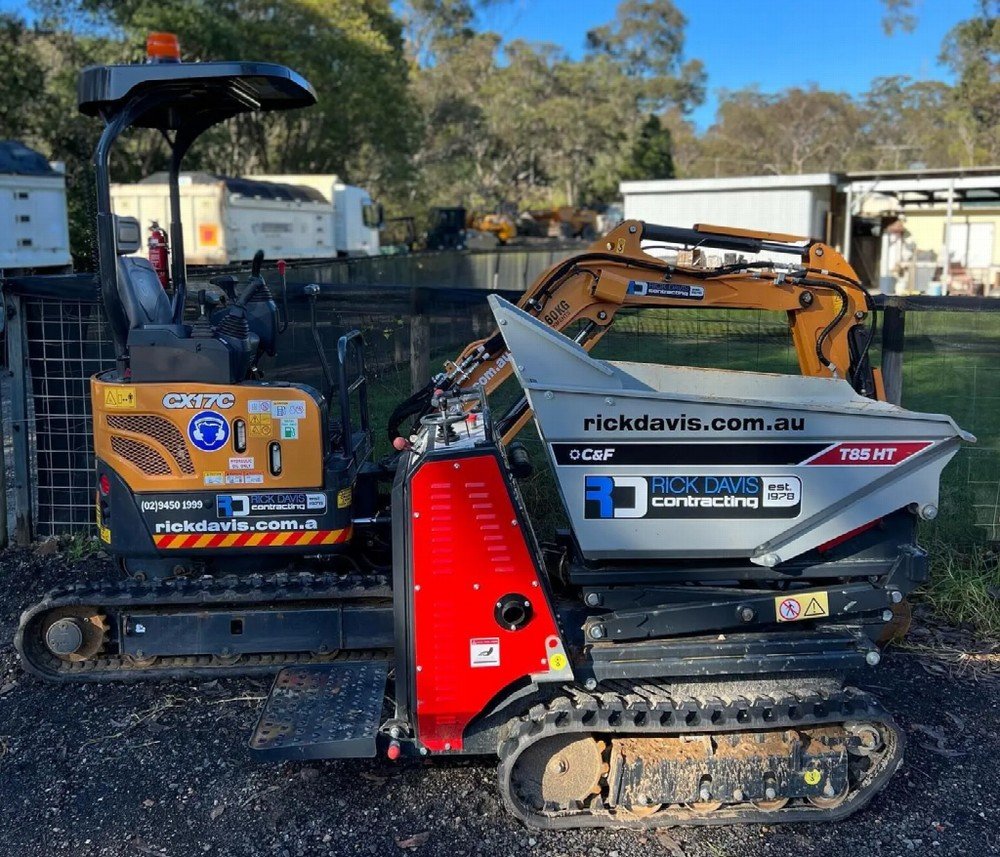
Compact excavation machinery is commonly used when standard excavators cannot access a residential backyard. Mini excavators are available in different sizes and configurations, allowing contractors to select equipment that suits the available space and required excavation work. Some models have retractable tracks that reduce their width for movement through narrow entry points.
Mini excavators can be used for tasks such as trenching, footing preparation, landscaping and smaller earthmoving projects. Compact dumpers and other material-handling equipment may also assist with transporting soil through restricted areas. However, smaller machinery does not automatically mean that every site is accessible. Contractors must consider machine height, operating weight, turning requirements and the space needed to manoeuvre safely. Ground conditions and excavation depth can also influence equipment selection. Choosing machinery that is too small for the required work may increase project duration, while equipment that is too large may create unnecessary risks. A professional assessment helps balance access limitations with the practical requirements of the excavation.
Managing Soil and Rock Removal in Confined Areas
Removing excavated material can be one of the most time-consuming aspects of backyard excavation. Soil and rock must be transported from the excavation area to a suitable collection point, often through the same narrow access route used by machinery. On restricted properties, this process may require compact dumpers, wheelbarrows or other specialised material-handling methods.
The type and quantity of excavated material can significantly affect the work involved. Loose soil may be relatively straightforward to handle, while heavy clay, large rocks and buried construction debris can create additional challenges. Rock excavation may require specialised attachments or breaking equipment, depending on the material and site conditions. Contractors must also plan where excavated material will be temporarily stored and how it will be loaded for removal. Suitable disposal arrangements should be confirmed before work begins, including any applicable waste classification requirements. Poor material-handling arrangements can obstruct access routes and slow construction progress. Planning soil and rock removal alongside excavation activities helps maintain an organised work area and reduces unnecessary delays.
Protecting Existing Structures and Landscaping
Backyard excavation often takes place close to existing buildings, fences, retaining walls and established gardens. These features can be vulnerable to damage from machinery movement, ground disturbance and changes in soil support. Careful planning is therefore necessary to protect the property and surrounding structures throughout the excavation process.
Contractors should identify nearby foundations, underground services and other sensitive features before excavation begins. Depending on the location and depth of the proposed work, engineering advice may be required to assess potential impacts on existing structures. Excavating near boundary fences or retaining walls can be particularly challenging because removing soil may affect their support. Landscaping protection is another consideration, especially where machinery must pass through established lawns or garden areas. Temporary ground protection and carefully planned access routes may help reduce surface damage. However, some disturbance may be unavoidable, and homeowners should discuss reinstatement requirements before work starts. Protecting existing features requires an approach that considers both immediate construction activities and the long-term stability of surrounding areas.
Understanding Safety and Access Requirements
Excavation involves several potential hazards, including unstable ground, underground services, machinery movement and restricted escape routes. These risks can become more difficult to manage on confined residential properties where workers and equipment operate close to existing structures. Appropriate safety planning is essential before excavation activities begin.
Underground electricity, gas, water and telecommunications services should be identified using available plans and appropriate locating methods before digging. Contractors must also assess excavation stability and determine whether protective measures are required to prevent ground collapse. Depending on the work, this may involve battering, benching, shoring or other suitable controls. Excavation work in NSW is subject to applicable work health and safety requirements, including additional obligations for certain high-risk activities. Restricted access routes must remain suitable for workers and equipment, and machinery should be operated by appropriately trained personnel. Homeowners should avoid entering active excavation areas or attempting to assist with machinery operations without proper authorisation. Professional planning and supervision help reduce risks to workers, residents and neighbouring properties.
Planning Excavation Work to Minimise Disruption
Excavation on a property with limited access requires coordination between the homeowner, excavation contractor and other construction professionals. Before work begins, the project scope should clearly identify the excavation dimensions, expected ground conditions, access arrangements and material removal requirements. These details help establish realistic expectations for the work.
Homeowners should also consider how excavation activities may affect everyday access to the property. Machinery movement, temporary material storage and vehicle loading can create noise, dust and short-term restrictions around driveways or pathways. Discussing working hours, site protection and waste removal arrangements in advance can help reduce inconvenience. Where excavation forms part of a larger construction project, coordination with builders, plumbers, engineers and landscapers may be necessary to avoid scheduling conflicts. Unexpected underground conditions can still affect progress, so allowing reasonable flexibility is important. A well-organised excavation plan helps contractors work efficiently while reducing unnecessary disruption to the household and surrounding properties.
Conclusion
Excavating a backyard with limited machinery access requires careful assessment, appropriate equipment and practical material-handling arrangements. Narrow pathways, existing structures, underground services and challenging ground conditions can make excavation more complicated than it initially appears. However, compact machinery and specialised excavation techniques can make many restricted residential projects achievable.
Homeowners should arrange a professional site assessment before starting excavation work, particularly when the proposed area is close to buildings, retaining walls or property boundaries. Understanding access limitations, safety requirements and soil removal arrangements can help prevent avoidable delays and unexpected complications. With suitable planning and experienced contractors, backyard excavation can be completed in a controlled manner while minimising disruption to the surrounding property.