For many business owners and property managers, the roof is often overlooked until a major problem occurs. However, a commercial roof is one of the most important components of any building, protecting employees, customers, equipment, and inventory from the elements. While it may be tempting to postpone maintenance to save money, neglecting regular roof care often leads to costly repairs and premature roof replacement.
Routine commercial roof maintenance is a smart investment that helps extend the lifespan of a roofing system, improve building performance, and reduce unexpected expenses. By identifying and addressing small issues before they become major problems, businesses can protect their assets and avoid disruptions to daily operations.
The Cost of Ignoring Roof Maintenance
Many roofing problems begin as minor issues that are easy and inexpensive to fix. Small leaks, loose flashing, clogged drains, and damaged roofing materials may not seem urgent at first. However, these problems can worsen over time and lead to extensive damage.
When maintenance is ignored, businesses may face:
- Water intrusion
- Structural damage
- Mold growth
- Interior property damage
- Increased energy costs
- Emergency repair expenses
- Business interruptions
The cost of repairing major roof damage is often significantly higher than the cost of routine inspections and preventative maintenance. Regular maintenance helps catch these issues early, preventing costly surprises.
Extending the Life of Your Commercial Roof
One of the biggest financial benefits of routine maintenance is the ability to maximize the lifespan of your roof. Commercial roofing systems are designed to last for many years, but their longevity depends heavily on proper care.
Exposure to sunlight, rain, snow, wind, and temperature fluctuations causes gradual wear and tear. Over time, roofing materials can crack, shrink, blister, or deteriorate. Maintenance professionals can identify these signs of aging and perform necessary repairs before serious damage develops.
By extending the life of the roof, businesses can delay the significant expense of a full roof replacement, often by several years.
Preventing Costly Water Damage
Water is one of the greatest threats to any commercial building. Even a small roof leak can allow moisture to enter the structure and create widespread problems.
Water damage may affect:
- Ceilings
- Walls
- Insulation
- Electrical systems
- Flooring
- Equipment
- Inventory
Once moisture enters a building, repair costs can escalate quickly. In some cases, businesses may also experience downtime while damaged areas are restored.
Routine roof maintenance includes inspections for leaks, damaged membranes, flashing failures, and drainage issues. Addressing these problems early helps prevent water intrusion and protects the entire building.
Improving Energy Efficiency
A well-maintained roof contributes to better energy performance throughout the building. Damaged roofing materials, poor insulation, and moisture infiltration can reduce energy efficiency and increase heating and cooling costs.
When roofing systems are properly maintained, they provide better insulation and help regulate indoor temperatures more effectively. This reduces strain on HVAC systems and lowers monthly utility bills.
Regular maintenance may include:
- Repairing damaged insulation
- Sealing gaps and openings
- Maintaining reflective roof coatings
- Addressing moisture-related issues
These improvements help create a more energy-efficient building while reducing operating expenses over time.
Reducing Emergency Repair Costs
Emergency roof repairs are often far more expensive than planned maintenance. When a roof failure occurs unexpectedly, businesses may need immediate service to prevent further damage.
Emergency situations can involve:
- Severe leaks
- Storm damage
- Structural concerns
- Ponding water
- Roof membrane failures
Because emergency repairs require rapid response and urgent scheduling, costs are typically higher than routine service visits. Additionally, emergency repairs may occur during periods of severe weather when roofing contractors are in high demand.
A proactive maintenance program helps identify vulnerabilities before they become emergencies, reducing the likelihood of unexpected repair costs.
Maintaining Manufacturer Warranty Coverage
Many commercial roofing systems come with manufacturer warranties that provide valuable protection against defects and certain types of damage. However, these warranties often require property owners to perform regular maintenance and inspections.
Failure to maintain the roof properly may result in warranty claims being denied. This could leave building owners responsible for costly repairs that might otherwise have been covered.
Documented maintenance records demonstrate that the roofing system has been properly cared for and can help preserve warranty protection throughout the roof’s lifespan.
Protecting Business Operations
Roof problems can disrupt daily business activities in several ways. Leaks, repairs, and water damage may force businesses to close temporarily or limit access to parts of the building.
Operational disruptions can lead to:
- Lost productivity
- Customer inconvenience
- Revenue losses
- Damaged inventory
- Employee safety concerns
Routine maintenance minimizes the risk of unexpected roof failures that could interfere with normal operations. A stable and reliable roofing system supports business continuity and reduces financial risk.
Addressing Drainage Issues Early
Commercial roofs often feature flat or low-slope designs that rely on proper drainage systems to remove water effectively. Clogged drains, blocked gutters, and debris accumulation can cause water to pool on the roof.
Standing water increases the risk of:
- Roof membrane deterioration
- Structural stress
- Leaks
- Mold growth
- Premature roof failure
Maintenance professionals regularly inspect and clean drainage systems to ensure water flows away from the roof as intended. Preventing ponding water can significantly extend roof life and reduce repair costs.
Detecting Storm Damage Quickly
Missouri weather can be unpredictable, bringing strong winds, hail, heavy rain, and snow throughout the year. These weather events can damage commercial roofing systems, even when the damage is not immediately visible.
Routine inspections after storms help identify:
- Punctures
- Loose flashing
- Membrane damage
- Debris impacts
- Structural concerns
Prompt repairs prevent minor storm-related issues from developing into larger and more expensive problems.
Increasing Property Value
A well-maintained roof contributes to the overall value of a commercial property. Potential buyers and investors often view roof condition as a key factor when evaluating a building.
A roof with documented maintenance records demonstrates responsible property management and reduces concerns about future repair costs. This can improve marketability and potentially increase property value.
For businesses planning future property transactions, maintaining the roof is a wise long-term investment.
Partnering With Roofing Professionals
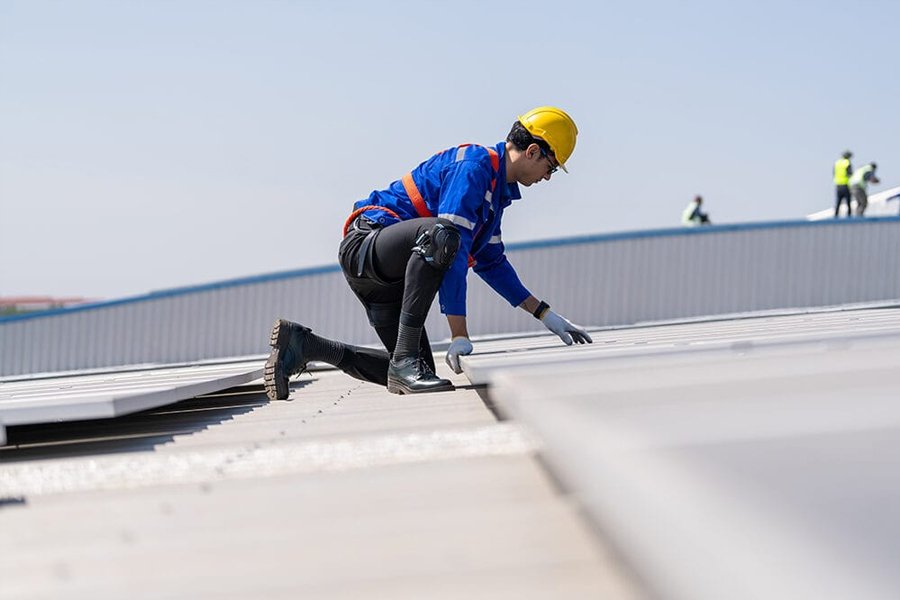
Professional inspections are a critical component of any maintenance program. Roofing experts have the knowledge and experience to identify issues that may go unnoticed by building owners.
Regular inspections allow professionals to:
- Assess roof condition
- Identify developing problems
- Recommend repairs
- Document maintenance history
- Improve long-term performance
Working with a trusted commercial roofer Kirksville, MO can help businesses establish a maintenance plan tailored to their specific roofing system and building needs.
Conclusion
Routine commercial roof maintenance is one of the most cost-effective investments a business can make. By addressing small issues before they become major problems, property owners can extend roof lifespan, reduce repair expenses, improve energy efficiency, and protect valuable assets.
Rather than waiting for leaks or visible damage to appear, proactive maintenance allows businesses to manage roofing costs more effectively and avoid unexpected disruptions. Over time, the savings generated through preventive care far outweigh the cost of regular inspections and maintenance services.
A well-maintained roof not only protects the building but also supports the long-term financial health of the business. For property owners looking to maximize their investment, routine commercial roof maintenance remains a smart and practical strategy.