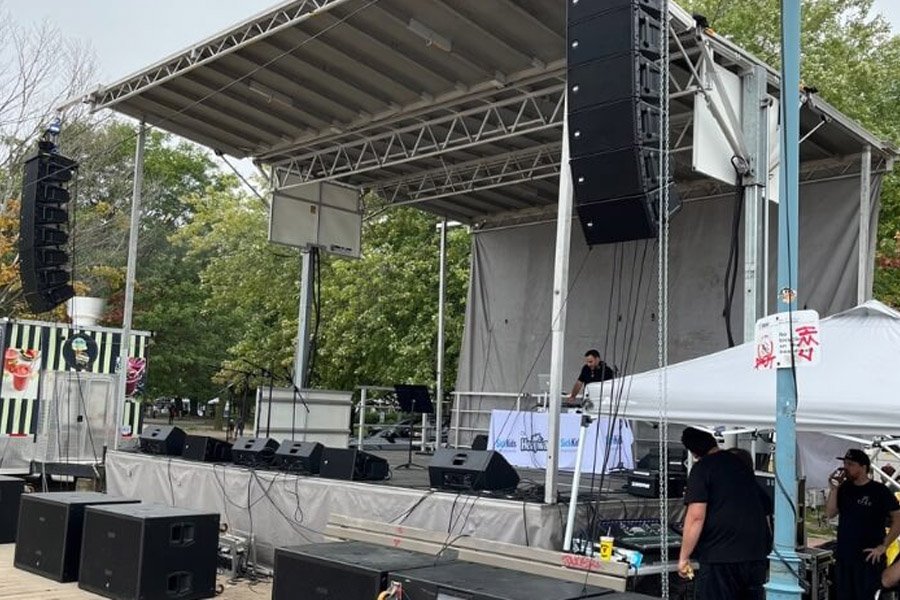
Outdoor concerts are a unique and exhilarating way to bring communities together, celebrate music, and create unforgettable experiences. From local festivals to large-scale music events, the centerpiece of any performance is the concert stage itself. While a concert may be defined by the talent on display, the safety and stability of the performance stage is critical not only for the performers but also for the audience. Ensuring a successful outdoor event requires a careful balance between aesthetics, functionality, and above all, safety.
The portable stage has revolutionized the way outdoor concerts are organized. With modular and mobile designs, event planners can set up a performance stage in a variety of locations, from city parks to private gardens, and even temporary spaces like parking lots or streets. These flexible platforms offer convenience and scalability, allowing stages to be customized in size and configuration to match the event’s specific needs. However, the very factors that make mobile stages appealing—lightweight materials, modularity, and ease of setup—also introduce unique safety challenges that must be addressed.
Understanding the Key Safety Considerations
Setting up an outdoor stage is more than placing a platform on the ground and inviting performers to step on it. Several factors influence safety, and each must be evaluated in the context of the specific event, the venue, and environmental conditions. A comprehensive approach considers the structural integrity of the stage, site conditions, audience proximity, weather, and compliance with local regulations.
1. Structural Stability
The core of any safe outdoor performance is the structural integrity of the event stage. Mobile stages are designed to be lightweight and portable, often utilizing aluminum or composite frames that can be assembled and disassembled quickly. While these materials reduce transport and setup challenges, they must also be engineered to support significant weight, including performers, instruments, lighting, and sound equipment.
A critical consideration is load distribution. Uneven weight can cause tilting or even collapse, especially if performers move dynamically across the platform. Modular stages can address some of these challenges by allowing additional support structures to be added as needed, but each addition requires careful alignment and verification. Safety professionals often recommend a maximum load per square foot that should never be exceeded, and stage components should be rated for the anticipated stress and dynamic movement.
2. Ground and Site Conditions
Unlike indoor venues, outdoor events introduce variability in the ground surface. Grass, sand, gravel, and asphalt all have different load-bearing capacities, and soft or uneven ground can compromise the stability of a mobile stage. Organizers must assess the site thoroughly before setup, identifying slopes, soft spots, or areas prone to erosion.
In many cases, stage platforms are supported by adjustable legs or base plates that can be leveled to compensate for uneven terrain. While this enhances stability, it also requires careful calibration and regular inspection, as even small shifts during an event can create hazards. For large-scale outdoor events, additional support structures such as anchoring systems, sandbags, or ground stakes may be necessary to ensure the stage remains secure under wind or movement.
3. Weather and Environmental Factors
Weather is one of the most unpredictable challenges in outdoor event planning. Rain, wind, and extreme temperatures can all affect the safety of a performance stage. A sudden gust of wind can cause lightweight mobile platforms to sway or shift, while water accumulation may make the stage slippery or compromise the material strength of certain components.
Organizers must plan for adverse conditions in advance. Protective coverings, such as canopies or tarps, can shield the platform and equipment, but they may also alter wind dynamics and add weight to the structure. Adequate drainage and slip-resistant surfaces are critical to minimize hazards. In addition, contingency plans for weather-related delays or evacuations should be integrated into the event’s safety protocol.
4. Audience Proximity and Access Control
Safety is not limited to performers; audience protection is equally important. Event planners must consider the location of the performance stage relative to the crowd. Barriers or safety rails may be necessary to prevent accidental contact with the edge of the platform or equipment. In addition, crowd density, access points, and emergency exit routes should be analyzed to ensure that people can move safely without creating pressure on the stage area.
Mobile stages often feature built-in safety elements such as guardrails, stairs with handrails, and non-slip surfaces. While these features enhance safety, proper training for setup crews is essential to ensure they are installed correctly. In larger events, professional stagehands may be required to monitor the platform and assist performers as needed.
5. Electrical and Equipment Safety
Modern outdoor events rely heavily on electrical equipment for lighting, sound, and video displays. Integrating these systems with a mobile stage introduces additional safety considerations. Electrical cables should be routed to avoid tripping hazards, and all connections must be protected from weather exposure. Power sources should be grounded and equipped with circuit protection to prevent short circuits or overloads.
Event stage planners must also consider equipment weight and placement. Speakers, lighting rigs, and instruments add significant load, and improper positioning can affect stage stability. Modular stages allow flexible placement of equipment, but each configuration must be evaluated for safety to avoid tipping or uneven stress on support structures.
6. Setup and Training
Even the most well-designed mobile stage can become unsafe if improperly assembled. Setup crews must be trained in assembly procedures, load limits, and safety protocols. Many modular stage systems include step-by-step instructions and safety checklists, but on-site oversight is critical, especially for larger or irregularly configured stages.
Proper training also extends to performers and staff who will be on the stage. Awareness of stage edges, obstacles, and movement limits helps prevent accidents during high-energy performances. Routine safety inspections during the event can catch potential issues early, such as loose components or shifting supports.
Balancing Safety, Convenience, and Aesthetics
The appeal of a mobile stage lies in its flexibility, speed of setup, and adaptability to different venues. However, these advantages come with trade-offs. Lightweight materials and modular components reduce transport challenges but require careful attention to structural integrity. Temporary platforms can be visually attractive and unobtrusive, but additional safety features such as railings and anchoring may impact the aesthetic presentation.
Event organizers must balance these factors thoughtfully. Prioritizing safety over aesthetics is non-negotiable, but well-designed modular stages can offer both. For example, platforms with built-in supports can accommodate lighting rigs without requiring bulky external scaffolding. Protective railings can be integrated into the design, enhancing both safety and appearance.
Regulatory and Compliance Considerations
Outdoor event planning is subject to a range of regulations that vary by location. Local authorities may require permits, safety inspections, or adherence to specific load and structural standards for temporary stages. Event planners must be aware of these regulations and integrate compliance into their setup procedures.
Compliance considerations also extend to insurance requirements. Many insurance providers mandate that mobile stages meet safety standards and be operated by trained personnel. Documenting setup procedures, inspections, and load capacities not only ensures compliance but also mitigates liability in the event of an incident.
Common Challenges and How to Address Them
Despite careful planning, outdoor concerts present several recurring challenges:
1. Uneven or Soft Terrain
Solution: Use adjustable legs, base plates, and additional support such as stakes or sandbags. Conduct a pre-event assessment to identify problem areas.
2. Sudden Weather Changes
Solution: Monitor weather forecasts and equip stages with protective covers. Develop contingency plans for delaying or pausing performances.
3. High Crowd Density
Solution: Install barriers and maintain a safe distance between the audience and stage. Clearly mark access routes and train staff in crowd management.
4. Equipment Overload
Solution: Evaluate the combined weight of performers and equipment against the platform’s rated capacity. Use modular support extensions if needed.
5. Improper Setup or Human Error
Solution: Train all personnel thoroughly, follow manufacturer instructions, and perform multiple inspections before and during the event.
The Role of Planning in Outdoor Stage Safety
Safety begins long before the first performer steps on a platform. Effective planning encompasses site evaluation, equipment selection, crew training, and contingency strategies. Incorporating safety considerations into the earliest stages of event design reduces the likelihood of last-minute complications and ensures that the audience and performers enjoy a smooth experience.
Event planners must also consider the timing and duration of the performance. Extended use of a mobile stage can introduce fatigue on structural components, particularly under high foot traffic or dynamic movement. Regular monitoring during the event can prevent wear-related failures.
Final Thoughts
Outdoor concerts provide vibrant, immersive experiences for audiences, but they also present unique safety challenges. Ensuring the stability and security of a performance stage requires a comprehensive approach that considers structural integrity, ground conditions, weather, audience safety, electrical systems, and proper setup procedures. Mobile and modular stages have made outdoor events more accessible and adaptable than ever before, but their very portability introduces trade-offs that must be carefully managed.
Event organizers who invest time in planning, training, and risk assessment will not only protect performers and audiences but also enhance the overall quality and professionalism of the event. By addressing the challenges of outdoor staging proactively and objectively, planners can create memorable performances without compromising safety. Every decision, from material selection to site layout and contingency planning, directly impacts both the success and the security of the event, demonstrating that safety and practicality can—and must—go hand in hand with creativity and entertainment.