Living in the Carolinas offers a rich blend of cultural heritage, scenic beauty, and warm hospitality, but it comes with its share of household challenges. One of the notable issues many residents face is dealing with house pests, an inevitable part of the local lifestyle. In this article, we will explore common pests in the Carolinas and how to manage them effectively.
Ants: A Common Carolinian Intruder
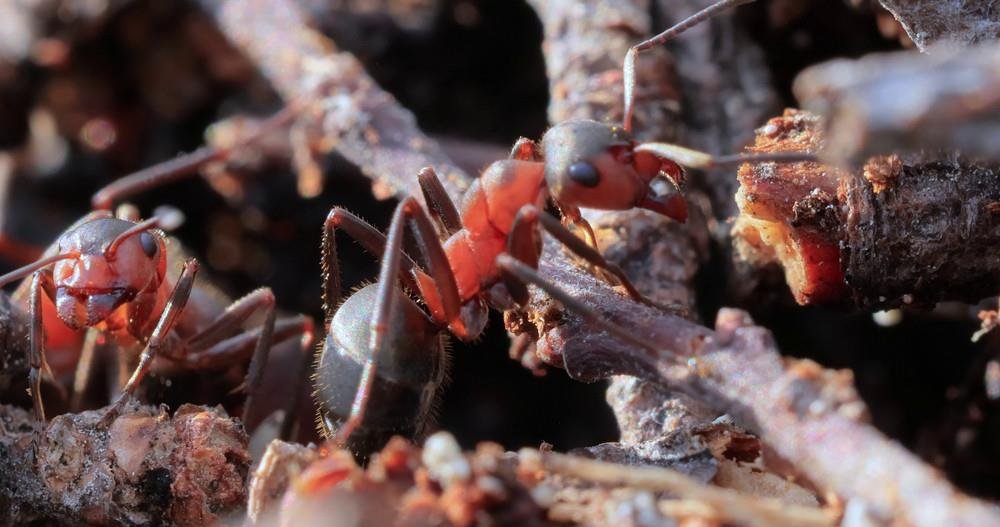
Ants are ubiquitous in the Carolinas, often finding their way into homes and creating nuisances. The region seemingly has an abundance of these tiny intruders, especially in areas like Charlotte. With over 12,000 ant species worldwide, identifying the specific types that invade homes can be daunting.
Many residents have grown accustomed to spotting different ant species, each with its unique challenges. Some ants are attracted to sugary substances, while others prefer proteins, making it crucial for homeowners to understand their food sources. Preventative measures, such as sealing food properly and keeping kitchens clean, can significantly reduce ant infestations.
Natural deterrents, such as vinegar and lemon juice, can be effective in deterring ants from entering homes. Regular maintenance checks, especially around windows and doors, can also prevent these pests from becoming part of the household lifestyle. Early identification and consistent management are key strategies in keeping homes ant-free.
Cockroaches: Understanding and Controlling Their Presence
Cockroaches have long been associated with living in close proximity to humans, and this is no different in the Carolinas. Out of approximately 4,600 known cockroach species, around 30 are commonly found near human settlements. These resilient pests can thrive in warm, humid climates, making the Carolinas an ideal environment.
Good sanitation practices are essential to curb cockroach populations. This includes regular cleaning, reducing clutter, and ensuring that food is not left out overnight. Homeowners should also be aware of potential breeding sites, such as under sinks and in dark corners, which can exacerbate infestations if not managed promptly.
Professional pest control services can offer tailored solutions for severe infestations, utilizing safe and efficient methods. By integrating these services into their lifestyle, residents can maintain a cockroach-free home. Regular pest inspections, coupled with preventive measures, will go a long way in managing these persistent intruders.
The Threat of Formosan “Super” Termites
Coastal areas of the Carolinas often face the threat of Formosan termites, also known as “super” termites, due to their aggressive nature. These pests are renowned for their large colonies and their ability to devour wood at rates three times faster than typical subterranean termites. For homeowners, this presents a significant threat to their properties.
Identifying and understanding termite behavior is crucial in preventing severe structural damage. Regular inspections by professional pest control specialists can help detect early signs of infestations, allowing for timely interventions. Effective termite management often involves a combination of chemical barriers and ongoing monitoring.
Homeowners should also invest in preventative measures, such as ensuring proper drainage around foundations, using termite-resistant building materials, and maintaining a barrier between soil and wood elements in their homes. By integrating these practices into their lifestyle, residents can proactively protect their homes from the relentless threat of Formosan termites.
Proactive Strategies for Year-Round Protection
Successfully defending a Carolinian home from invasive species requires a transition from reactive treatments to a comprehensive, year-round pest management strategy. The geographic realities of the region, characterized by long, sweltering summers, mild winters, and substantial annual rainfall, mean that biological pressures on a property’s perimeter never truly disappear. When seasonal shifts occur, outdoor insects naturally seek refuge inside conditioned indoor spaces, turning minor structural gaps into primary entry highways.
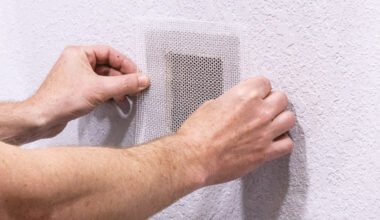
Homeowners must implement defensive physical barriers alongside strict sanitation routines. This involves sealing foundational weep holes with breathable wire mesh, replacing brittle weatherstripping around garage doors, and keeping tree canopies trimmed back at least three feet from roofing structures to disrupt overhead insect bridges. Furthermore, eliminating standing water by clearing gutters and grading soil away from the foundation removes the primary resource needed for colony survival. Partnering with a regional extermination team ensures these vulnerabilities are systematically identified and corrected before localized foraging behaviors mature into established, destructive infestations.
By committing to a proactive maintenance framework and respecting the unique ecosystem of the Southeast, property owners can secure their structural investments and preserve their peace of mind. Balancing everyday prevention with targeted, professional interventions remains the gold standard for maintaining a healthy, secure, and entirely pest-free lifestyle across the Carolinas.