In the era of environmental awareness and rising energy costs, modern homes are increasingly being built with energy efficiency in mind. Among the many systems that contribute to an energy-efficient home, the HVAC (Heating, Ventilation, and Air Conditioning) system stands out. Regular inspections of these systems have become imperative not only for optimal performance but also for maintaining the financial and energy benefits they offer.
The Importance of HVAC Systems in Modern Homes
Almost 88% of homes in the U.S. now have air conditioning systems, marking a significant reliance on HVAC systems for comfort, according to Global Market Insights. This widespread adoption highlights the importance of maintaining these systems efficiently. The proper functioning of HVAC systems is crucial, especially in newer homes designed to be energy-efficient, where any inefficiency could counteract the home improvement efforts made toward sustainability.
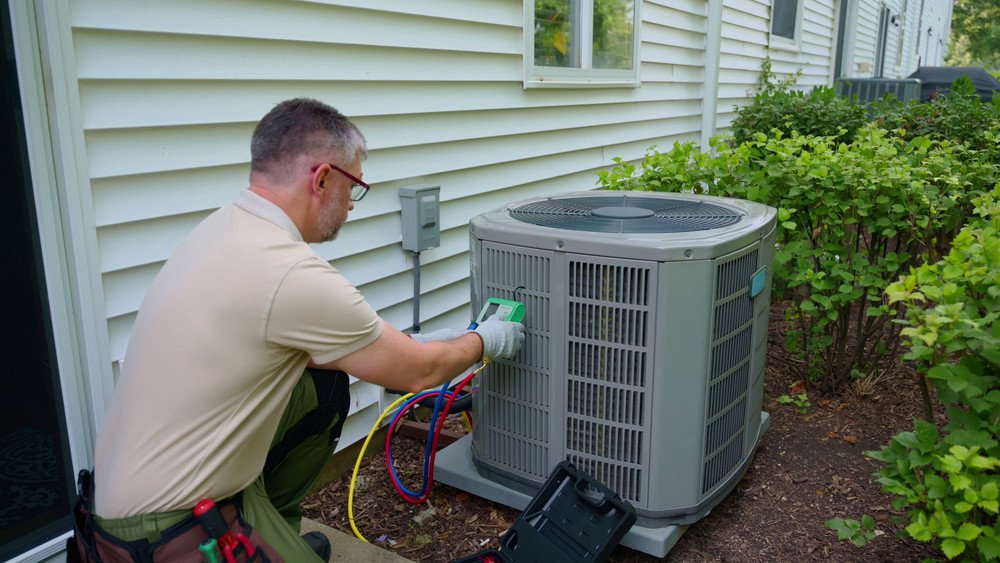
HVAC systems in modern, energy-efficient homes play a vital role in maintaining consistent indoor temperatures and controlling humidity levels. When these systems are neglected, they tend to work harder, thus consuming more energy and negating the benefits of green home improvements. Regular inspections ensure that the system is not just operative but operating optimally, thereby aligning with the home’s eco-friendly goals.
Moreover, maintaining an efficient HVAC system contributes significantly to indoor air quality, which is an integral aspect of a home’s environment. Regular inspections can help identify and mitigate issues such as mold, allergens, and pollutants that compromise the health of the residents. Proper air quality management is not only a smart home improvement tactic but also a critical health consideration.
Preventive Maintenance and Cost Savings
According to HomeGuide, annual HVAC inspections can prevent costly issues down the line, underscoring the economic advantage of scheduled maintenance. A well-maintained system is less likely to experience unexpected failures that often come with hefty repair costs. For homeowners, this is a clear signal that investing in annual checks is an effective home improvement strategy aimed at avoiding unnecessary expenses.
Proactively managing potential HVAC issues ensures that homes remain comfortable and systems durable, ultimately saving homeowners money in the long run. It is a misconception that energy-efficient homes do not require regular HVAC maintenance. The reality is that these systems are precisely calibrated and need consistent checks to sustain their designed efficiency, making annual inspections indispensable.
The investment in regular maintenance also plays a role in preserving the value of a home, as an efficient HVAC system is a selling point. Homebuyers today prioritize energy-efficiency and lower operational costs, and a well-maintained HVAC system is a testament to a home’s value. Therefore, routine inspections can enhance both the functionality and marketability of a residence.
Energy Efficiency and Environmental Impact
Over 80% of new commercial constructions in North America incorporate energy-efficient HVAC systems, according to Future Market Insights. This trend reflects a commitment to reducing energy consumption and environmental impact, which also informs residential buildings’ HVAC setups. By ensuring regular inspections, homeowners can maintain this efficiency imperative and contribute positively to broader environmental goals.
Energy-efficient HVAC systems reduce carbon footprints by using less energy to regulate home temperatures, aligning with the significant investment in green building initiatives. Even minor faults in such systems could lead to increased energy consumption and higher utility bills, undermining their purpose. Regular inspections help prevent these issues, ensuring the system operates as intended without excessive energy use.
Furthermore, effective management of HVAC systems supports a home’s eco-friendly blueprint, aiding in the reduction of wasteful practices. Responsible home improvement efforts encompass care for systems that significantly affect energy usage, making sustainable systems more than just a marketing term—they become a functional reality.
Annual HVAC inspections are a crucial component of maintaining the balance and efficiency of modern energy-efficient homes. The commitment to regular maintenance not only supports core functionality but also aligns with the home’s environmental values. Ultimately, these inspections represent a practical home improvement strategy that offers cost savings, enhanced comfort, and sustained environmental benefits.