As construction projects become increasingly complex, the CMAR & Construction Management Services delivery method is gaining traction among industry professionals who seek efficient and reliable project execution. The Construction Manager at Risk (CMAR) plays a pivotal role in ensuring all aspects of a project—from early planning to final delivery—are closely managed and coordinated. This approach empowers a single party to oversee key processes, reducing the likelihood of costly errors, delays, and quality issues.
Stakeholders engaging in the CMAR process benefit from the manager’s hands-on leadership, which underpins strategic decision-making and sound project execution. By holding both advisory and fiscal responsibilities, a CMAR ensures that every stage is scrutinized for efficiency, feasibility, and costs. Recognizing these core responsibilities can help project owners maximize success and minimize construction-related risks.
The effectiveness of this model has made it a standard in public and private projects alike. Not only does it increase transparency and stakeholder confidence, but it also offers proactive engagement, resulting in higher-quality builds completed on time and within the agreed budget.
Projects leveraging the CMAR model are better positioned to adapt to unexpected changes, maintain compliance, and achieve team alignment—all are vital elements given the unpredictable nature of building projects.
Comprehensive Project Planning
Early Involvement in Design
The pre-construction phase is critical for a CMAR. Their expertise is leveraged from the start, working alongside architects and engineers to conduct feasibility studies, perform cost analyses, and influence design to foster constructability. Their early engagement allows them to identify design inefficiencies, recommend alternatives, and help convert conceptual plans into executable strategies.
Strategic Decision Making
CMARs are responsible for assessing potential obstacles and proactively addressing them before construction begins. By establishing clear milestones and coordinating all stakeholders early in the process, they create a robust framework that positions the project for seamless progression and adaptability.
Budget Management and Cost Control
Guaranteed Maximum Price (GMP) Agreements
The financial integrity of any construction project is safeguarded through GMP agreements, for which the CMAR is directly accountable. This places them in charge of all cost estimation, detailed budget development, and resource allocation for maximum value. Such a system prevents budget overruns and demands strict expenditure monitoring throughout.
Value Engineering Practices
Value engineering is a vital skill where CMARs propose innovative options to maximize budget efficiency without compromising scope or quality. Their ability to balance optimal resource deployment and uphold high standards is key to gaining stakeholder approval and delivering sustainable projects.
Quality Assurance and Compliance
Site Oversight and Material Verification
Achieving and maintaining rigorous quality standards is non-negotiable for a CMAR. Regular site inspections and documentation protocols are conducted to guarantee every component meets established benchmarks. They verify that both materials and labor meet the craftsmanship standards required by the project specifications.
Adherence to Code and Regulation
Construction managers must be well-versed in local building codes and safety regulations. Maintaining compliance minimizes costly rework and legal exposure, and ensures completed structures are both safe and durable. Industry resources, such as OSHA Construction Standards, reinforce the importance of these standards for public and worker safety.
Risk Management and Mitigation
Identifying and Addressing Risks Early
Risk is inherent in construction, stemming from weather, supply chain volatility, labor conditions, and unforeseen site variables. A CMAR proactively identifies these factors early during both planning and execution. Assessment tools and close monitoring enable them to forecast issues and take prompt action.
Proactive Contingency Planning
Developing robust contingency plans and risk response strategies positions the CMAR to handle any disruption, ensuring minimal impact on costs and timelines. Through adaptive management and collaborative problem-solving, projects can stay on schedule even when challenges arise.
Coordination and Communication
Central Communication Hub
The CMAR acts as the project’s central communication conduit, streamlining information flow between owners, designers, contractors, and suppliers. Regular progress meetings, transparent reporting, and issue resolution processes ensure everyone remains aligned with the project’s objectives.
Conflict Resolution
Anticipating and quickly resolving disputes is vital to preventing cascading delays. Effective communication skills and a collaborative mindset enable the CMAR to mediate conflicts, maintain momentum, and secure consensus on critical decisions.
Safety Oversight
Developing and Enforcing Safety Protocols
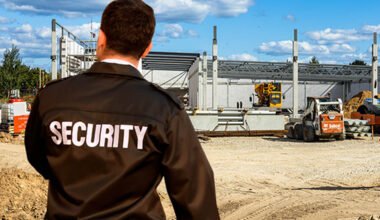
Ensuring site safety is a top priority. CMARs establish rigorous safety protocols tailored to project-specific risks. They facilitate mandatory safety training for all personnel and conduct frequent inspections to ensure continuous compliance.
Regulatory Compliance and Training
By actively overseeing adherence to CMARs, organizations greatly decrease workplace accidents and project disruptions. Continuous training and a strong safety culture promote both compliance and operational excellence.
Conclusion
The Construction Manager at Risk serves as a linchpin, orchestrating planning, financial management, quality control, safety, and collaboration to ensure successful project delivery. Through their proactive engagement from pre-construction through completion, CMARs enable owners and teams to achieve timely, cost-controlled, and compliant outcomes. Embracing the CMAR method delivers measurable value and lasting results across the construction landscape.