Handling glass panels requires careful planning, suitable equipment and an understanding of the risks associated with lifting fragile materials. Glass sheets can vary considerably in size, thickness, weight and surface characteristics, making it important to select lifting equipment that matches the specific application. While smaller panels may be relatively straightforward to move with appropriate handling tools, larger architectural glass sheets often require specialised lifting systems to maintain stability and control. Choosing an unsuitable vacuum lifter can increase the risk of dropped loads, damaged materials and workplace injuries.
For glaziers, construction contractors and glass fabrication businesses, selecting the correct equipment involves more than comparing maximum lifting capacities. Panel dimensions, suction pad arrangements, lifting orientation and site conditions all influence the suitability of a vacuum lifting system. Professionals working with different glass sizes can explore vacuum lifters for glass handling in Australia to compare equipment designed for lifting, positioning and transporting glass sheets. Understanding the main selection factors can help businesses improve handling efficiency while maintaining appropriate safety standards throughout their operations.
Understanding How Glass Vacuum Lifters Work
Glass vacuum lifters use suction to create a secure connection between lifting equipment and the surface of a glass panel. The system typically consists of one or more suction pads, a vacuum-generating mechanism and components that allow the operator to monitor or control the lifting process. When the required vacuum is established, atmospheric pressure helps hold the suction pads against the glass surface.
Different vacuum lifters are designed for different applications. Some handheld devices assist with positioning relatively small glass panels, while larger systems connect to cranes, hoists or other suitable lifting equipment. Certain models also provide powered tilting or rotating functions to help position glass during installation. The lifting method depends on the equipment’s design, rated capacity and operating instructions. Vacuum lifting systems must be used within their specified limits because suction performance can be affected by surface conditions, equipment condition and the orientation of the load. Understanding how the equipment operates is an important first step when comparing models for different glass handling requirements.
Why Glass Panel Dimensions and Weight Matter
The dimensions of a glass panel directly influence the type of lifting equipment required. Larger panels generally present greater handling challenges because their size affects balance, manoeuvrability and the amount of space needed during movement. However, dimensions alone do not determine whether a particular vacuum lifter is suitable.
Panel weight is another essential consideration. The weight of glass depends on its thickness, surface area and construction. Laminated glass, insulated glazing units and other specialised products may have different weights from a single sheet of ordinary glass with similar dimensions. Operators should calculate or confirm the actual weight of each load before selecting equipment. The load’s centre of gravity must also be considered because uneven weight distribution can affect lifting stability. A vacuum lifter with sufficient rated capacity may still be unsuitable if its frame or suction pad arrangement cannot adequately support the panel’s dimensions. Equipment selection should therefore account for both the total weight and the physical characteristics of the glass being handled.
Choosing Between Handheld and Crane-Assisted Vacuum Lifters
Handheld vacuum lifters are commonly used for tasks involving smaller glass panels, mirrors and other suitable smooth materials. These devices can assist workers with gripping, positioning and manoeuvring panels where their rated capacity and operating conditions permit. Some models use manual vacuum pumps, while others incorporate battery-powered suction systems.
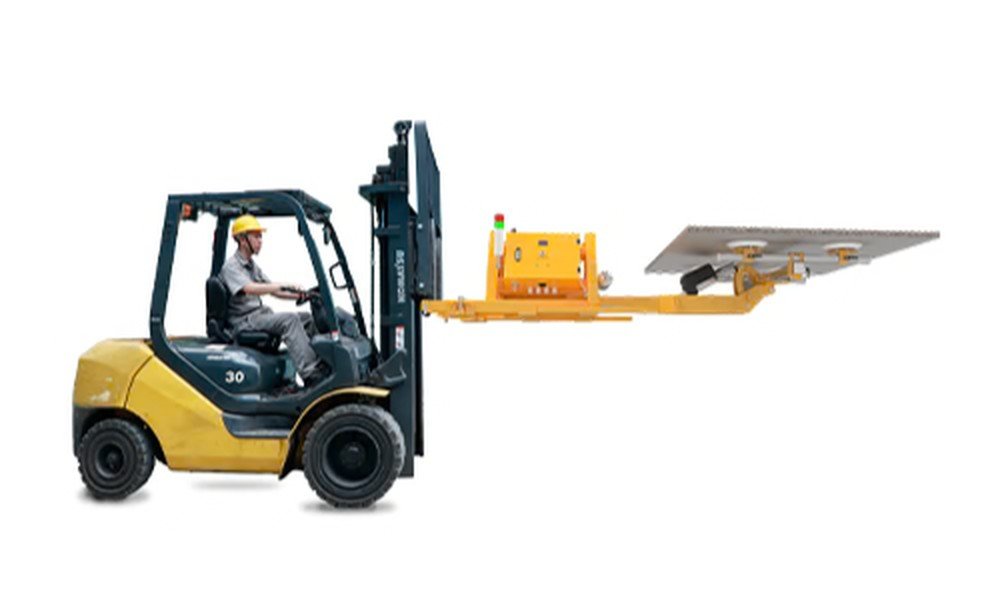
Crane-assisted vacuum lifters are generally more appropriate for larger or heavier glass panels that cannot be handled safely using handheld equipment. These systems connect to compatible lifting machinery and may include multiple suction pads, adjustable frames and powered positioning functions. They can be useful during commercial glazing, facade installation and workshop operations involving substantial glass sheets. However, selecting a crane-assisted system also requires consideration of the crane or hoist capacity, attachment compatibility and available working space. The weight of the lifting equipment itself must be included when assessing the overall lifting arrangement. Businesses should choose equipment based on the actual handling task rather than assuming that a larger or more complex system is always the better option.
How Suction Pad Arrangements Affect Lifting Stability
Suction pad placement plays an important role in distributing lifting forces across a glass panel. Vacuum lifters may use a single pad or multiple pads arranged across an adjustable lifting frame. The appropriate configuration depends on the dimensions, weight, stiffness and centre of gravity of the material being lifted.
For larger glass sheets, multiple suction pads can help distribute the load and provide support at suitable locations. However, the number of pads alone does not determine lifting safety. Their individual capacities, spacing and compatibility with the glass surface must also be considered. Poorly positioned pads may create uneven loading or allow excessive movement during lifting. Some vacuum lifters have adjustable arms that accommodate different panel dimensions, while others are designed for specific load configurations. Operators should follow the manufacturer’s approved pad arrangements and lifting instructions rather than making unsupported adjustments. It is also important to consider whether the glass can withstand the forces applied during lifting. Suitable pad positioning helps maintain stability and reduces the likelihood of unwanted movement or material damage.
Understanding Load Capacity and Safety Requirements
Every vacuum lifter has a rated lifting capacity that defines the maximum load it can handle under specified conditions. This rating may vary depending on whether the glass is lifted horizontally, vertically or at another permitted angle. Operators should therefore check the manufacturer’s instructions rather than relying on a single advertised capacity figure.
The equipment’s working load limit must be suitable for the actual load and intended lifting arrangement. Some vacuum lifting systems incorporate additional safety features, such as vacuum gauges, warning alarms, reserve vacuum capacity or separate vacuum circuits. These features can assist with monitoring equipment performance, but they do not eliminate the need for proper inspection and operating procedures. Workplace lifting activities in Australia must also comply with applicable work health and safety obligations. This includes identifying hazards, assessing risks and ensuring workers are competent to operate the equipment. Where cranes or other lifting machinery are involved, additional requirements may apply. A documented lifting plan may be appropriate for complex or higher-risk operations. Selecting equipment with suitable capacity and safety features is essential, but correct use remains equally important.
Considering Glass Thickness, Surface Condition and Lifting Orientation
Glass thickness influences both panel weight and the way the material behaves during handling. Thin sheets may be more susceptible to bending, while thicker or laminated panels can place greater demands on lifting equipment because of their weight. The type of glass should therefore be considered alongside its dimensions when selecting a vacuum lifter.
Surface condition is another important factor because vacuum pads require suitable contact with the material. Dust, moisture, protective films, textured finishes or surface contamination may affect suction performance. Some specialised glass products may not be compatible with standard vacuum lifting equipment, even when their weight falls within the rated capacity. Operators should confirm that the equipment is approved for the particular surface and should never assume that a suction pad will perform equally well on every type of glass. Lifting orientation also matters. Moving a panel from horizontal storage to vertical installation may require a lifter with an approved tilting function. Similarly, rotating a large sheet during positioning requires equipment designed for that movement. Matching these characteristics to the lifting task helps maintain control and reduces handling risks.
What to Check Before Selecting a Vacuum Lifter
Before purchasing or hiring a glass vacuum lifter, businesses should review the types of panels they handle most frequently. Important details include maximum panel dimensions, typical weights, glass construction, lifting orientation and the environments in which the equipment will operate. These factors provide a practical starting point for comparing suitable models.
The operating environment should also be assessed. Workshop lifting may involve predictable conditions and established lifting equipment, while construction sites can present restricted access, uneven ground and changing weather. Outdoor lifting may be affected by wind, which can create significant forces on large glass panels. Businesses should also consider equipment maintenance, battery requirements, inspection procedures, spare parts availability and operator training. Manufacturer documentation should clearly identify rated capacities, permitted applications and operating limitations. Where lifting requirements are complex, advice from a competent lifting equipment supplier or qualified lifting professional can help confirm suitability. Selecting equipment based on documented specifications and realistic working conditions is more reliable than choosing solely on price or maximum advertised capacity.
Conclusion
Choosing the right vacuum lifter for different glass panel sizes requires careful consideration of weight, dimensions, suction pad configuration and lifting orientation. Handheld equipment may suit certain smaller panels, while larger architectural glass sheets often require crane-assisted systems with suitable lifting capacity and positioning capabilities. Surface conditions, equipment compatibility and the working environment also influence safe operation.
Glaziers and construction professionals should assess their typical lifting requirements before selecting equipment and ensure that operators understand the manufacturer’s instructions and applicable safety procedures. Regular inspections, suitable maintenance and appropriate lifting plans can further support reliable glass handling. By matching vacuum lifting equipment to the characteristics of each load, businesses can improve handling efficiency, reduce unnecessary material damage and maintain safer working conditions during glass transportation and installation.