Key Takeaways
- Urgent care centers provide timely medical assistance for non-life-threatening conditions, filling a critical gap in healthcare.
- Evaluating location, hours, services, staff qualifications, and insurance can help families select the right facility.
- Cleanliness and patient reviews are key indicators of quality and reliability in urgent care environments.
- Understanding when to use urgent care versus other medical services ensures your family receives proper treatment promptly.
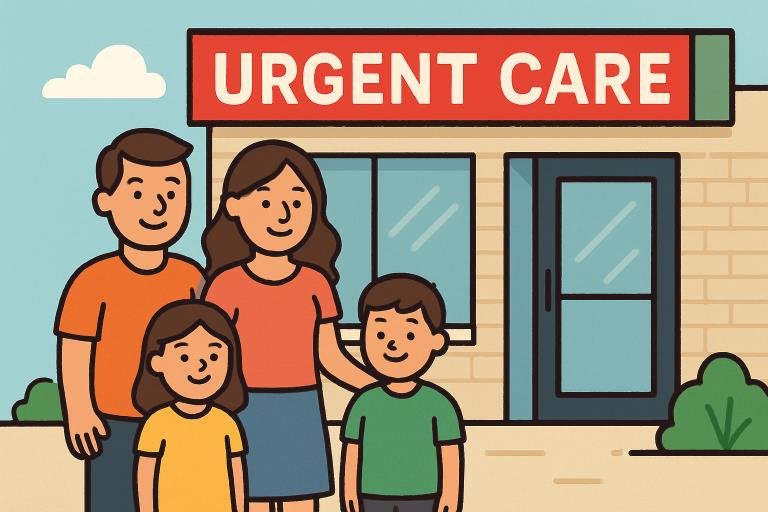
When health concerns arise unexpectedly, knowing your options can make a stressful situation more manageable. Urgent care centers offer accessible, prompt medical attention for non-emergency conditions, bridging the gap between primary care and emergency room services for families. Recent years have seen substantial growth in these facilities, making it crucial to understand what sets the best apart. If you are searching for convenient care in your community, facilities such as Linden NJ Urgent Care provide easy access to essential healthcare services, a vital resource in times of need.
Picking the right urgent care for your family isn’t something most people think about – until they actually need it. And by then, you’re already stressed, someone’s hurt or sick, and the last thing you want is to be Googling reviews in a panic.
The truth is, not all urgent care centers are the same. Some have doctors who actually take time to explain what’s going on. Others feel like a conveyor belt in and out, next patient. The difference matters, especially when it’s your kid with a high fever at 9pm or your elderly parent who took a bad fall.
Before you ever find yourself in that rushed moment, it’s worth knowing what to look for. Things like how long the wait usually is, whether they take your insurance, what kinds of injuries or illnesses they actually treat, and whether the staff treats you like a person rather than a number.
For parents and caregivers especially, having this figured out ahead of time takes a huge weight off your shoulders. Because when something suddenly goes wrong, the last thing you need is uncertainty about where to go.
It also helps to know when urgent care is even the right call – sometimes it is, sometimes the ER makes more sense, and sometimes your regular doctor is perfectly fine. Getting clear on that beforehand means smarter, faster decisions when it counts most.
Understanding Urgent Care Centers
Urgent care centers are equipped to handle medical conditions that need prompt attention but do not qualify as emergencies. Examples include minor fractures, sprains, ear infections, small wounds, and fevers. These clinics often offer extended hours and walk-in appointments, making them highly convenient when your doctor is unavailable and the emergency room is unnecessary for your situation.
Unlike emergency departments, urgent care centers typically operate on a first-come, first-served basis, resulting in shorter wait times for many common health issues. With the growing number of such centers nationwide, families have more choices but also more factors to consider when selecting the right clinic for their needs. The American Academy of Urgent Care Medicine provides additional information on the benefits of urgent care as part of the broader healthcare landscape.
Factors to Consider When Choosing an Urgent Care Facility
Location and Accessibility
When something goes wrong, the last thing you want to be doing is driving across town. Location matters more than people realize – not just the distance, but how easy it actually is to get there when you’re flustered, in pain, or have a sick child in the backseat.
Think about where you spend most of your time. Is there an urgent care close to home? Near your office? Down the road from your kids’ school? Any of those work – the point is that when something happens, you’re not far from somewhere that can help.
Also think about traffic. A clinic that’s technically five minutes away can turn into a thirty-minute ordeal during rush hour. If you rely on public transport, check whether it’s actually reachable by bus or train, not just by car. These small details feel irrelevant right now but will matter a lot in the moment.
Operating Hours
Kids don’t get sick on a schedule. Neither do accidents. So before you settle on an urgent care, check when they’re actually open – and be honest about when you’re most likely to need them.
If you work a standard 9 to 5, a clinic that closes at 6pm isn’t really that useful to you. Same goes for weekends – that’s often when things happen, whether it’s a sports injury on a Saturday morning or a sudden fever that spikes Sunday night when your regular doctor’s office is closed.
Holidays are worth checking too. A lot of clinics post reduced hours or close entirely on major holidays, which of course is exactly when you might need them most.
Services Offered
Not every urgent care handles the same things, and this trips people up more than you’d think. Some places are basically set up for colds, minor cuts, and quick prescriptions. Others have X-ray machines, on-site labs, and staff who are comfortable seeing young kids. Before you assume a clinic near you covers everything your family might need, spend five minutes on their website or give them a quick call. It saves a lot of frustration when you actually show up.
Staff Qualifications and Experience
This one’s worth paying attention to. There’s a real difference between a board-certified physician and a clinic that’s mostly staffed by whoever was available. That doesn’t mean every visit needs a specialist, but for your family – especially your kids – you want to know the person walking in has real experience and not just a name tag.
Don’t feel awkward asking about credentials. Any good clinic will answer that question without hesitation.
Facility Cleanliness and Comfort
Walk in and just look around. The waiting area, the bathrooms, the overall vibe of the place. A clean, organized clinic tells you something about how seriously they take patient care. A messy or neglected one tells you something too. Trust your gut on this one – if it doesn’t feel right, it probably isn’t.
Insurance Acceptance
Nobody wants a surprise bill after an already stressful visit. Before you end up at a clinic, check whether they take your insurance. Call them, check their website, or even call your insurance provider directly. Also find out how billing works – do they handle it directly or do you have to file the claim yourself? A few minutes of prep here can save you a real headache later.
Wait Times
One of the biggest reasons people choose urgent care over an ER is the wait. But not all urgent cares are equally fast. Check if they offer online check-in or post estimated wait times – many do now. A clinic with a smooth, organized intake process means less time sitting in a waiting room when you’d rather be anywhere else.
Patient Reviews and Testimonials
Reviews aren’t perfect, but patterns don’t lie. If a clinic consistently gets mentioned for friendly staff, short waits, and clean facilities – that’s worth something. If you keep seeing complaints about rude receptionists or misdiagnoses, pay attention to that too. A clinic’s website will always look polished. Real patient reviews give you the unfiltered version.
When to Choose Urgent Care Over Other Options
Urgent care is the right call for things that need attention but aren’t going to kill you – a bad sprain, an ear infection, the flu, a rash that showed up out of nowhere, a cut that probably needs stitches. Basically anything that can’t wait for a regular doctor’s appointment but also doesn’t need an ambulance.
The ER is for everything else. Chest pain, trouble breathing, uncontrolled bleeding, signs of a stroke – don’t second-guess those. Call 911 or get there immediately. Urgent care is genuinely great for what it’s designed for, but it has limits, and knowing those limits could genuinely matter one day.
Conclusion
Finding the right urgent care isn’t something you need to obsess over – but spending a little time on it now is genuinely worth it. When someone in your family actually needs help, the last thing you want is to be figuring this out on the spot.
The good news is it doesn’t take long. Check a few clinics near you, confirm they take your insurance, look at their hours, read a handful of reviews. That’s mostly it. Once you have a place in mind that feels right, you can stop thinking about it – until you actually need it.
And when that moment comes, you’ll be glad you did this ahead of time.