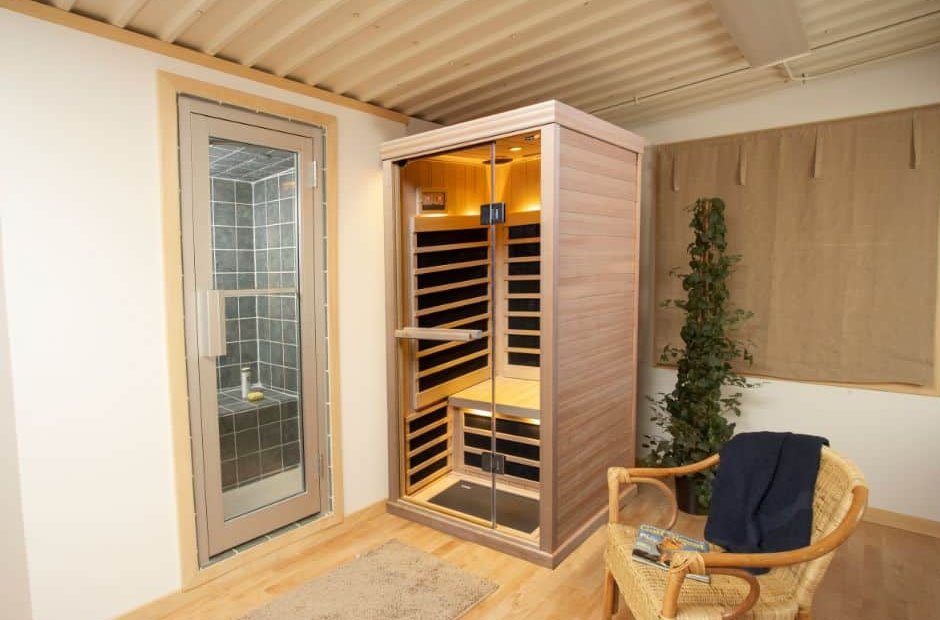
Infrared saunas offer a powerful path to home wellness, offering various potential health benefits. From pain relief and detoxification to improved circulation and relaxation, they’re becoming a must-have for those seeking a holistic approach to well-being.
But with a vast array of models, features, and technologies available, selecting the right infrared sauna can be challenging. Here’s a guide of key considerations to help you invest in a sauna that seamlessly fits your needs, space, and lifestyle.
Size and Capacity
Saunas come in various sizes, typically accommodating one to four people. Before you begin browsing, meticulously measure the area you will use. Ensure you have ample room for the sauna itself, plus sufficient space around it for ventilation, easy entry and exit, and comfortable movement.
Afterward, determine who will be using the sauna. Is it for solo relaxation and personal use, or will you be sharing it with a partner, family members, or friends? This decision will determine whether you’ll need a one- or two-person sauna, or a larger model for a more comfortable, relaxed experience.
Wood Material
The type of wood used in your sauna impacts its durability, aesthetics, aroma, and overall sauna experience. When selecting a material, look for ones that use natural, non-toxic wood treatments to avoid potential exposure to harmful substances. Some commonly used materials include:
- Hemlock – This material is a popular choice for its durability, natural resistance to warping and cracking, and neutral aroma. Hemlock is also a cost-effective option, making it accessible to a wider range of budgets.
- Cedar – Red cedar is prized for its rich, inviting aroma, natural oils, and resistance to moisture, insects, and decay. It adds a touch of luxury to your sauna experience, creating a more sensory and relaxing environment.
- Eucalyptus – This is a sustainable and eco-friendly option with a pleasant, refreshing scent and natural antibacterial properties. Eucalyptus is known for its durability and moisture resistance, making it a practical choice.
EMF Levels
Electromagnetic Fields (EMFs) are used to generate heat in infrared saunas. Some models use technologies that may generate high EMF levels, raising health concerns. For a safer and more comfortable experience, it is recommended to look for saunas with low EMF emissions. Many manufacturers provide these specifications, so make an effort to do your research before buying.
Heating Technology
The type of heater used is the most critical factor determining the therapeutic value of your sauna. Infrared heat is categorized by wavelength, each with its own unique properties and potential benefits. The three primary types include:
- Far-Infrared (FIR) – This offers cellular-level penetration and is commonly used for deep-tissue relief, sweating, and relaxation.
- Mid-Infrared (MIR) – These wavelengths penetrate deep to expand blood vessels and promote oxygen flow. This makes it ideal for aiding pain relief and circulation.
- Near-Infrared (NIR) – With the shortest wavelength, this does not penetrate the skin as deeply as its other counterparts. NIR is often associated with skin rejuvenation and wound healing.
Material Quality
The overall quality of materials used in your infrared sauna will largely determine its longevity and performance. Look for saunas built with premium materials and construction techniques. Key construction features include double-walled construction for superior insulation and energy efficiency, tongue-and-groove joints for a tight, secure fit, and high-quality hardware to ensure longevity and ease of use.
Additional Features
Modern infrared saunas often come equipped with various additional features to enhance your experience. Consider easy-to-use control panels that let you adjust the temperature, timer, and lighting settings, or built-in sound systems for listening to music or podcasts.
Some models also offer chromotherapy lighting, which uses different colors of light to promote relaxation. Identify which features resonate with you and could improve your experience and overall wellness sessions.
Warranty and Support
A solid warranty indicates higher quality and confidence in the product. Pay close attention to the terms, including what is covered and for how long. The warranty should cover critical components, including the structure and heating elements, and ideally lasts at least 5 years or a lifetime. A helpful, responsive customer support is also crucial, especially if you encounter any problems during your sauna’s lifespan.
Get a High-Quality Infrared Sauna Today
Choosing the right infrared sauna is a commitment to your well-being. By considering these factors, you’ll find a model that fits your needs, space, and provides years of relaxation and potential health benefits. Reach out to a reputable home spa supplier to learn more about your options.