Your home’s roof serves as its first line of defense against the elements. From heavy rain and strong winds to hail and falling debris, roofs are constantly exposed to conditions that can cause damage over time. While some roofing problems develop gradually, others occur suddenly and require immediate attention. When unexpected roof damage strikes, acting quickly is essential to protect your property and prevent further complications.
Emergency roof situations can happen at any time, often without warning. Understanding how to respond and why prompt repairs matter can help homeowners minimize damage and restore their home’s safety and security.
What Is a Roofing Emergency?
A roofing emergency occurs when damage compromises the roof’s ability to protect the home from weather and environmental conditions. Unlike minor maintenance issues that can be scheduled for later repair, emergencies require immediate action to prevent worsening damage.
Common roofing emergencies include:
- Severe storm damage
- Large roof leaks
- Missing or torn shingles after high winds
- Fallen trees or branches on the roof
- Structural roof damage
- Hail-related punctures
- Fire-related roof damage
- Sudden roof collapses or sagging sections
When these situations occur, delaying repairs can increase the risk of water intrusion, structural deterioration, mold growth, and costly restoration work.
Common Causes of Emergency Roof Damage
Several factors can create roofing emergencies for homeowners. Severe weather is one of the most common causes. High winds can lift shingles, expose underlayment, and create openings that allow water to enter the home.
Heavy rain can worsen existing vulnerabilities and quickly turn a small leak into a significant problem. Hailstorms may crack or puncture roofing materials, while snow and ice accumulation can place excessive weight on the roof structure.
Falling trees and large branches can also cause extensive damage during storms. Even a relatively small impact can compromise roofing materials and create openings that require immediate attention.
In some cases, aging roofs become more susceptible to sudden failures because years of wear and exposure have weakened critical components.
Signs You Need Immediate Roof Repairs
Recognizing the warning signs of serious roof damage can help homeowners act before the situation worsens.
Some common indicators include:
Active Water Leaks
Water dripping from ceilings or running down walls is one of the clearest signs that emergency action is needed. Even small leaks can quickly spread and damage insulation, drywall, flooring, and electrical systems.
Missing Roofing Materials
Large sections of missing shingles or roofing materials leave the roof vulnerable to weather exposure and water infiltration.
Visible Structural Damage
Sagging rooflines, collapsing sections, or significant structural shifts indicate potentially dangerous conditions that require immediate professional assessment.
Daylight Visible Through the Roof
If sunlight can be seen through the attic or ceiling, the roof’s protective barrier has been compromised and should be repaired as soon as possible.
Storm-Related Damage
Following severe weather, homeowners should inspect their property for signs of impact damage, displaced materials, or debris-related issues.
What to Do After Discovering Roof Damage
The moments immediately following roof damage are critical. Taking the right steps can help reduce further damage while ensuring the safety of everyone in the home.
Prioritize Safety
Avoid climbing onto the roof yourself, especially during severe weather or if structural damage is suspected. Damaged roofs can be unstable and dangerous.
Protect Interior Belongings
If water is entering the home, move furniture, electronics, and valuables away from affected areas. Place containers beneath active leaks to collect water.
Document the Damage
Take photographs of visible damage from a safe location. Documentation can be valuable when filing insurance claims and discussing repair needs with contractors.
Contact a Roofing Professional
Prompt communication with a roofing specialist ensures the damage can be assessed and stabilized before conditions worsen.
Temporary Solutions Before Repairs
In many emergency situations, temporary protective measures may be necessary before permanent repairs can be completed.
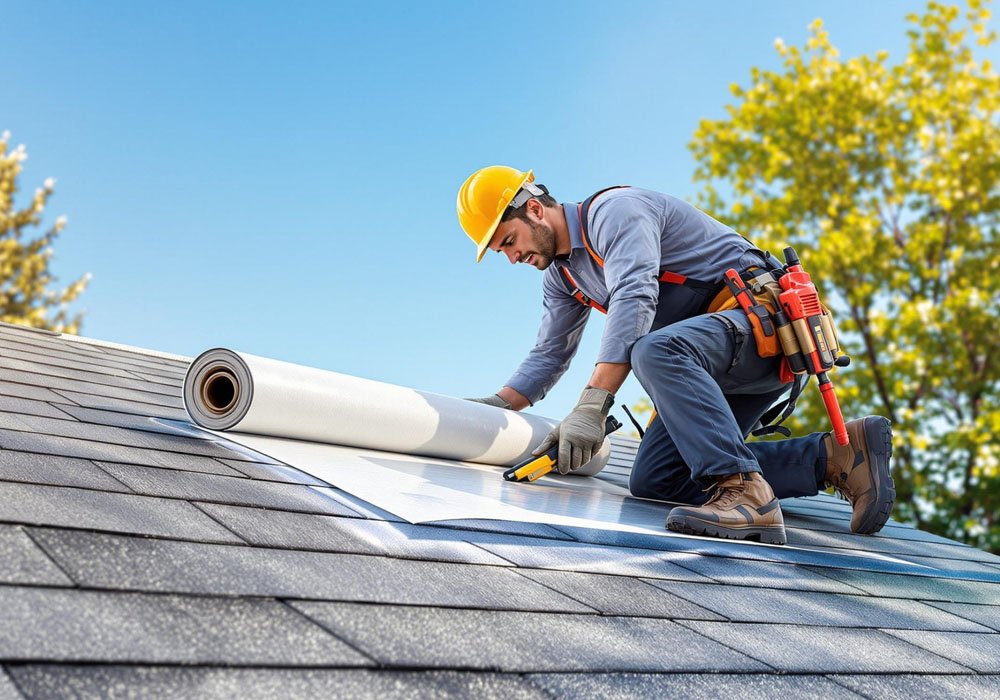
Roof tarping is one of the most common emergency responses. A properly installed tarp helps prevent additional water intrusion until repairs can begin.
Other temporary measures may include securing loose materials, protecting exposed areas, and addressing drainage concerns. While these solutions are helpful, they should never replace professional repairs.
The Importance of Fast Response
Time is one of the most important factors in minimizing roof damage. Water can spread quickly through a home’s structure, affecting insulation, ceilings, walls, flooring, and personal belongings.
Moisture intrusion also creates ideal conditions for mold growth, which can begin developing within a relatively short period. Mold remediation often adds substantial costs to restoration projects.
Fast action helps limit secondary damage and reduces the overall cost of repairs. The sooner roofing issues are addressed, the better the chances of preventing widespread property damage.
How Professional Roof Repairs Protect Your Home
Professional roofing contractors have the tools, training, and expertise needed to safely evaluate and repair damaged roofs. They can identify both obvious and hidden issues that homeowners may overlook.
During an emergency repair process, contractors typically:
- Assess the extent of the damage
- Stabilize affected areas
- Prevent further water intrusion
- Repair or replace damaged materials
- Evaluate structural concerns
- Recommend long-term solutions
Working with experienced professionals helps ensure repairs meet industry standards and restore the roof’s ability to protect the home.
Preventing Future Roofing Emergencies
While not every emergency can be prevented, proactive maintenance can significantly reduce the likelihood of unexpected damage.
Regular roof inspections help identify developing issues before they become major problems. Small leaks, damaged flashing, and worn materials can often be repaired early at a much lower cost.
Keeping gutters clean, trimming overhanging tree branches, and addressing minor roofing concerns promptly also contribute to long-term roof health.
Preventative maintenance is a critical part of responsible Residential Roofing care and helps homeowners maximize the lifespan of their roofing systems.
Understanding Insurance Considerations
Many roofing emergencies result from covered events such as storms, hail, or fallen trees. Homeowners should review their insurance policies and understand what types of roof damage may qualify for coverage.
Prompt documentation, professional inspections, and timely communication with insurance providers can help streamline the claims process. Keeping detailed records of damage and repair work may also be beneficial.
A qualified roofing contractor can often assist homeowners by providing documentation and assessments needed during the insurance process.
Conclusion
Unexpected roof damage can be stressful and disruptive, but a fast response can make a significant difference in protecting your home. Whether caused by severe weather, falling debris, or sudden structural issues, Emergency Roof Repair helps prevent further damage and restores your property’s safety.
By recognizing warning signs, acting quickly, and working with experienced professionals, homeowners can reduce repair costs and avoid more serious complications. Investing in regular maintenance and inspections also supports long-term Residential Roofing performance, helping keep your home protected throughout every season.