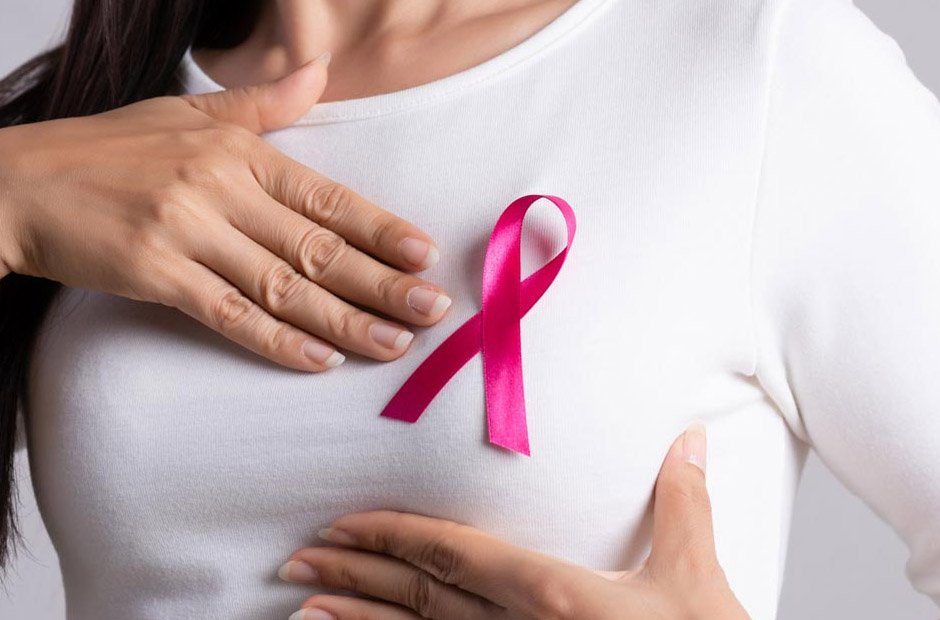
Ana Maria Gonzalez-Angulo is a physician scientist and medical oncologist whose career has focused on breast cancer research, clinical care, and global collaboration. Ana Maria Gonzalez-Angulo previously served as an oncologist and professor at The University of Texas MD Anderson Cancer Center, where she worked in the Department of Breast Medical Oncology and the Department of Systems Biology. During her time there, she helped lead translational research programs and mentored physicians and scientists studying aggressive forms of breast cancer. She has also participated in international research collaborations examining HER2-positive disease, triple-negative breast cancer, molecular diagnostics, and minimal residual disease. Today she serves as Medical Director of Research and Senior Medical Oncologist at Consultores de Oncologia and as a senior medical oncologist at Unidad de Cancerologia in Guadalajara, Mexico. Her background in research and clinical oncology provides context for understanding the science, risks, and treatment approaches associated with breast cancer.
An Overview of Breast Cancer
Breast cancer, a type of cancer that originates as uncontrolled cellular growth in the breast tissue, ranks as the second most common cancer diagnosed in American women, following skin cancer. An estimated 4 million women in the United States have a history of breast cancer, which accounts for nearly one in three new cases of cancer in females, per the American Cancer Society. That said, men have breast tissue as well and can also develop breast cancer, albeit at much lower rates compared to women.
Like all forms of the disease, breast cancer is a serious health condition, though survival rates have increased over the last few decades, thanks to an uptick in public awareness and continued funding of breast cancer research. Survival rates vary considerably depending on the type of breast cancer, the location, and other factors, but five-year relative survival rates for all Surveillance, Epidemiology, and End Results (SEER) stage cases average 92 percent.
Funding for breast cancer has allowed scientists and medical professionals to advance cancer screening processes, resulting in earlier breast cancer diagnoses. Early detection of breast cancer in the localized stage translates to a five-year relative survival rate of 99 percent, according to the National Breast Cancer Foundation. In addition to improved screening processes, health care professionals have developed various treatment options that allow individuals to live longer, fuller lives, even when doctors cannot cure their cancer.
Treatment options and survival rates often depend on the type of cancer that develops in a person’s breast tissue. Invasive ductal carcinoma (IDC) represents the most common form of breast cancer in the United States, accounting for 80 percent of cases. Studies suggest that the likelihood of developing IDC increases with age; about two-thirds of women who receive IDC diagnoses are aged 55 or older.
As is the case with many forms of breast cancer, untreated IDC allows the cancer to reach the lymph nodes and blood vessels, subsequently spreading throughout the body in a process known as metastasis. Treatment options for IDC depend on specific tumor characteristics, including whether the cancer demonstrates any sensitivities to specific hormones.
IDC is just one of many types of breast cancer. Other forms of breast cancer include inflammatory breast cancer, lobular carcinoma in situ, invasive lobular carcinoma, and Paget’s disease of the breast.
Many forms of the disease share similar symptoms, such as a lump that forms under the breast or an area of thickened skin. Individuals may notice a change in the color of their breast skin or a nipple that appears flattened or turned inward. Early signs of the disease range from changes in the size and shape of the breast to peeling or scaling of the skin on the breast. Individuals who notice any of these symptoms, especially a lump in their breast, should immediately contact their doctor, as opposed to raising concerns at their next scheduled mammogram.
Doctors have yet to determine the precise causes of breast cancer, though studies have yielded information about certain things that increase breast cancer risk, ranging from drinking alcohol to exposure to certain hormones. Many risk factors are not controllable, such as having a family history of breast cancer or gender. Women who begin their period at a young age or start menopause after the age of 55 also have an increased risk of breast cancer.
Individuals living with a high risk of breast cancer may benefit from preventive medicine or preventive surgical procedures. Treatment options, meanwhile, include surgery, radiation, chemotherapy, and hormone therapy.
About Ana Maria Gonzalez-Angulo
Ana Maria Gonzalez-Angulo is a physician scientist and medical oncologist specializing in breast cancer research and treatment. She previously served as a professor and researcher at The University of Texas MD Anderson Cancer Center and has contributed to more than 300 peer reviewed publications. She currently works as Medical Director of Research and Senior Medical Oncologist at Consultores de Oncologia and as a senior medical oncologist at Unidad de Cancerologia in Guadalajara, Mexico, while continuing to collaborate with academic and research institutions internationally.