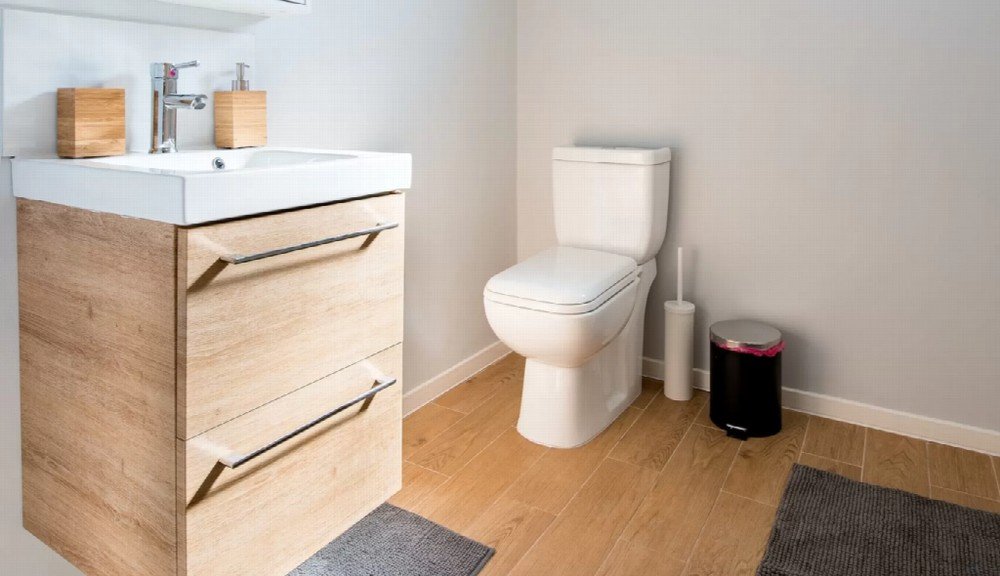
Renovating a bathroom is an opportunity to improve the comfort, functionality and appearance of one of the most frequently used spaces in a home. Whether updating an outdated bathroom, replacing damaged fixtures or creating a more practical layout, careful planning is essential for achieving a successful result. However, bathroom renovations involve more than choosing attractive tiles and modern fittings. Plumbing, waterproofing, ventilation, electrical work and space limitations all influence how the finished bathroom performs. Overlooking these important details can lead to unnecessary expenses, construction delays and maintenance problems.
Many homeowners begin a bathroom renovation with a clear design preference but may not fully understand the technical requirements involved. This is particularly relevant in established Sydney suburbs, where older properties can present additional challenges involving ageing plumbing, limited floor space and existing building conditions. Homeowners considering Kensington bathroom renovations by Aussie Bathrooms can benefit from understanding the importance of professional planning, suitable materials and correct installation methods. Recognising common renovation mistakes before construction begins can help homeowners make informed decisions and create bathrooms that remain practical and comfortable for years.
Starting a Renovation Without a Clear Budget
One of the most common bathroom renovation mistakes is beginning a project without establishing a realistic budget. Homeowners may focus on the cost of visible items such as tiles, vanities, tapware and shower screens while overlooking expenses associated with demolition, plumbing, electrical work and waterproofing. These essential components can account for a substantial portion of the overall renovation cost.
A comprehensive budget should consider labour, materials, waste removal, installation requirements and any necessary approvals. It is also important to allow for unexpected expenses, particularly when renovating older bathrooms where concealed water damage or deteriorated plumbing may become apparent after demolition. Setting aside a contingency allowance can help manage these discoveries without immediately compromising essential work. Homeowners should request detailed quotations that explain what is included and identify potential additional costs. Prioritising necessary repairs and functional improvements before optional decorative upgrades can also help keep the project financially manageable.
Choosing Bathroom Fixtures Before Finalising Measurements
Selecting bathroom fixtures before confirming the available space can create significant design and installation problems. A freestanding bathtub, oversized vanity or large shower enclosure may look appealing in a showroom but may not suit the dimensions of an existing bathroom. Incorrect measurements can result in restricted movement, awkward door clearances and insufficient space between fixtures.
Accurate measurements should account for more than the overall length and width of the room. Door openings, window positions, plumbing connections, wall thicknesses and required clearances must also be considered. Homeowners should think about how the bathroom will function when several fixtures are used throughout the day. For example, vanity drawers should open without hitting nearby fittings, and shower screens should provide comfortable access. Preparing a detailed layout before purchasing fixtures can prevent expensive changes during construction. It also allows homeowners to select products that suit the available space rather than forcing the room to accommodate unsuitable fittings.
Overlooking Waterproofing and Drainage Requirements
Waterproofing is one of the most important technical elements of a bathroom renovation. Bathrooms are regularly exposed to moisture, splashes and standing water, making effective waterproofing essential for protecting surrounding building materials. When waterproofing is incorrectly installed or damaged during construction, water can penetrate walls and floors, potentially causing deterioration that remains hidden for extended periods.
Proper waterproofing involves suitable materials, surface preparation and installation methods that comply with applicable Australian requirements. Drainage design is equally important because water must be directed towards the appropriate outlets without collecting in unwanted areas. Incorrect floor falls, poorly positioned drains and inadequate sealing around penetrations can contribute to ongoing moisture problems. Homeowners should ensure that waterproofing work is completed by appropriately qualified professionals and that the required inspections or documentation are addressed. Investing in correct installation during the renovation is generally more practical than repairing concealed water damage after the bathroom has been completed.
Underestimating the Importance of Ventilation
Bathroom ventilation is sometimes overlooked when homeowners concentrate on fixtures, finishes and decorative features. However, bathrooms generate significant moisture through showers, baths and other activities. Without adequate ventilation, humid air can remain trapped, increasing the likelihood of condensation, mould growth and deterioration of painted surfaces or cabinetry.
Effective ventilation helps remove moisture and maintain a more comfortable indoor environment. Depending on the bathroom’s design, this may involve suitable windows, mechanical exhaust fans or a combination of ventilation methods. Exhaust fans should be appropriately sized and installed so moist air is discharged to a suitable location rather than into an enclosed roof space. Homeowners should also consider how ventilation will operate during colder weather when windows may remain closed. Planning ventilation early allows electrical connections and ducting requirements to be incorporated into the renovation. A well-ventilated bathroom can help protect finishes and reduce ongoing cleaning and maintenance concerns.
Selecting Materials Based Only on Appearance
Bathroom materials are available in a wide range of colours, textures and finishes, making it easy to prioritise appearance over practical performance. While visual design is important, materials must also be suitable for wet environments and regular household use. Choosing inappropriate surfaces can result in premature wear, difficult maintenance or safety concerns.
Floor tiles, for example, should be selected with appropriate slip resistance for their intended application. Wall finishes need to withstand moisture exposure, while cabinetry should be manufactured from materials suitable for bathroom conditions. Natural stone and some decorative surfaces may require additional sealing or maintenance compared with other options. Homeowners should also consider how easily surfaces can be cleaned and whether replacement materials will be available if repairs are required later. Selecting durable, practical materials does not mean sacrificing appearance. A balanced approach can produce a bathroom that looks attractive while remaining suitable for everyday use.
Failing to Plan Adequate Storage and Lighting
Storage and lighting have a significant influence on bathroom functionality, yet both are sometimes treated as secondary design considerations. A bathroom may look spacious immediately after renovation but become cluttered when toiletries, towels and cleaning products have no suitable storage locations. This is particularly noticeable in smaller bathrooms where available floor space is limited.
Practical storage solutions may include vanity drawers, mirrored cabinets, recessed shower niches and wall-mounted shelving. These features should be positioned where they are convenient without interfering with movement or access to fixtures. Lighting also requires careful planning because bathrooms serve different purposes throughout the day. General lighting helps illuminate the room, while suitable task lighting around mirrors supports activities such as shaving and personal grooming. Electrical fittings must be appropriate for their location and installed in accordance with relevant safety requirements. Combining thoughtful storage with effective lighting can improve usability without requiring a larger bathroom footprint.
Hiring Contractors Without Checking Qualifications and Experience
Bathroom renovations involve several specialised trades, including plumbing, electrical work, waterproofing and tiling. Choosing contractors based solely on the lowest quotation can create problems if the work is not properly coordinated or completed to the required standards. Poor workmanship may lead to leaks, uneven finishes, drainage issues or additional repairs after the renovation is finished.
Before engaging a renovation contractor, homeowners should review relevant experience, licensing, insurance and examples of previous work. It is also important to understand who will manage the project and how different trades will be coordinated. A detailed written agreement should outline the scope of work, materials, payment arrangements, estimated timeframe and procedures for approving changes. Homeowners should ask how unexpected problems will be handled and whether necessary compliance documentation will be provided. Clear communication and appropriate professional qualifications can help reduce misunderstandings and support a more organised renovation process.
Conclusion
Bathroom renovations require careful consideration of both design preferences and technical requirements. Common mistakes such as inadequate budgeting, incorrect measurements, poor waterproofing and insufficient ventilation can affect the finished bathroom’s functionality and long-term condition. Selecting unsuitable materials or overlooking storage and lighting can also create everyday inconveniences that become difficult to correct once construction is complete.
Homeowners can reduce these risks by planning thoroughly, setting realistic budgets and working with appropriately qualified professionals. Understanding the importance of plumbing, drainage, waterproofing and practical design helps ensure that essential requirements receive attention before decorative finishes are installed. With careful preparation and informed decisions, a bathroom renovation can create a comfortable, functional and attractive space that continues to meet household needs for years.