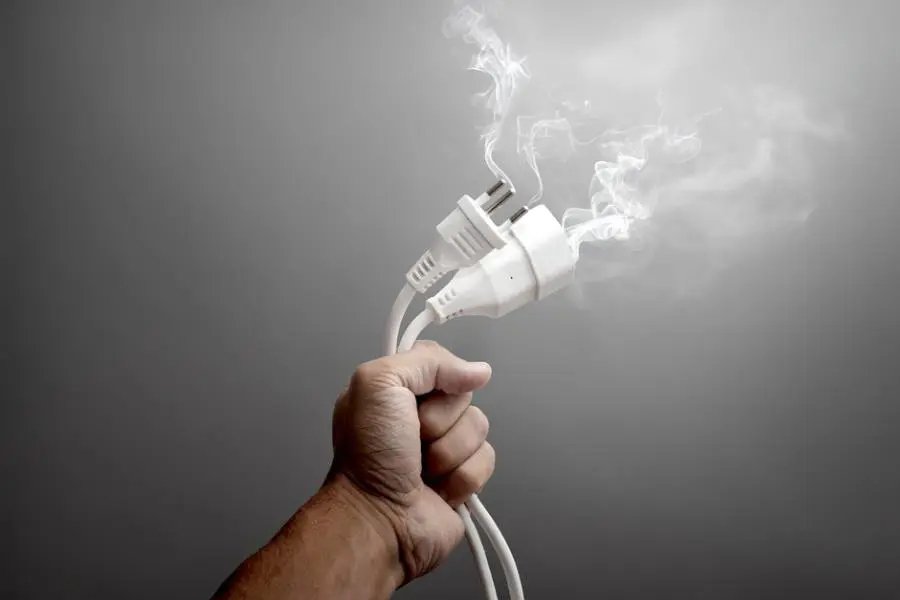
Most homeowners don’t think much about their electrical system until something goes wrong. The lights flicker, an outlet stops working, or a breaker trips for the third time in a week, and suddenly that hidden network of wires behind your walls becomes very interesting. The trouble is that wiring problems rarely announce themselves clearly. They tend to send small signals first, and if you know what to look for, you can catch trouble before it turns into a fire or an expensive emergency. Professional home electrical repairs exist for exactly this reason, but recognizing the warning signs is your job as the person living in the house every day.
Here are seven signs that your home’s wiring needs attention, and in some cases, needs it right away.
1. Breakers That Trip Repeatedly
Circuit breakers are designed to trip. That’s their whole purpose. When a circuit draws more current than it can safely handle, the breaker shuts it off to protect the wiring from overheating. So an occasional trip during a storm or when you plug in one appliance too many is normal.
What’s not normal is a breaker that trips over and over for no obvious reason. If you’ve unplugged everything on that circuit and it still shuts down, you could be dealing with a short circuit, a ground fault, or damaged wiring somewhere inside the walls. Repeated trips are a sign that the circuit is asking for help. Don’t keep resetting the breaker and hoping for the best. Each trip is a small warning, and ignoring them can lead to overheated wiring and, eventually, a fire.
2. Burning Smells or Scorch Marks
This one deserves the word “immediately.” If you notice a burning or fishy smell coming from an outlet, a switch, or your electrical panel, stop what you’re doing and investigate. Plastic and rubber components give off a distinct odor when they overheat, and that smell means something inside is already getting hot enough to melt.
Check your outlets and switch plates for discoloration, browning, or small scorch marks. Even a faint mark is worth taking seriously. Scorched outlets usually mean the wiring connections behind them are loose or arcing, and arcing is one of the leading causes of electrical fires in homes. If you smell burning and can’t find the source, turn off the main breaker and call a licensed electrician the same day.
3. Flickering or Dimming Lights
A single flickering bulb is often just a loose bulb or a dying fixture. But when lights flicker or dim throughout a room, or when they dim every time the air conditioner kicks on, your wiring may be struggling to carry the load.
Older homes are especially prone to this. Wiring installed decades ago wasn’t designed for modern households running refrigerators, washers, dryers, computers, and big screen TVs all at once. When lights dim in response to other appliances, it usually means the circuit is overloaded or the wiring has degraded. Persistent flickering across multiple fixtures is a sign that the system needs a professional evaluation, not a new bulb.
4. Buzzing, Crackling, or Sizzling Sounds
Electricity should be silent. When your outlets, switches, or panel start making noise, something is wrong. A buzzing sound often indicates loose connections or arcing, where electricity jumps across a gap in the wiring instead of flowing smoothly through it. Sizzling or crackling noises are even more serious, since they suggest active sparking inside the outlet or junction box.
Put your ear near a suspect outlet (never your hand on it) and listen. Any sound at all is a red flag. Electricity flowing through healthy wiring makes no noise, so even a faint hum deserves a professional inspection.
5. Outlets and Switches That Feel Warm
Touch your outlet and switch plates occasionally. They should be at room temperature. A warm or hot outlet means the connections behind it are resisting the flow of electricity and generating heat as a byproduct. That heat doesn’t stay contained. It spreads to the wiring, the surrounding insulation, and in the worst cases, to wooden framing inside your walls.
Warm outlets are sometimes caused by too many devices drawing power through a single point, but they can also point to deteriorating wiring, a failing outlet, or loose terminals. Either way, heat is never a good sign in an electrical system. Unplug everything from the outlet and call an electrician if it stays warm.
6. Outlets and Switches That Don’t Work
It’s easy to write off a dead outlet as a minor annoyance. You just stop using it, right? The problem is that a non-working outlet is rarely dead on its own. It’s usually a symptom of a break somewhere in the circuit, a burned-out connection, or wiring damage that could be affecting other parts of the system you can’t see.
The same goes for switches that feel loose, wobbly, or delayed. A switch that hesitates before turning a light on is arcing internally every time you use it. Outlets and switches are the parts of your electrical system you interact with daily, so treat them like the early warning devices they are. When one stops working properly, have it checked rather than working around it.
7. Your Home Is Old and the Wiring Has Never Been Inspected
This sign is less dramatic but just as important. If your house was built more than 40 years ago and you can’t remember the last time an electrician looked at the wiring, you’re operating blind. Older homes often contain wiring that no longer meets modern safety standards. Aluminum wiring, common in houses built in the 1960s and 70s, is a known fire hazard because it loosens at connections over time. Knob and tube wiring, found in pre-1950 homes, has no ground wire and was never designed for today’s power demands.
Even if everything seems to work fine, aging insulation becomes brittle, connections loosen behind the walls, and previous owners may have made amateur repairs that don’t hold up. A one-time inspection by a licensed electrician can tell you whether your wiring is safe, needs targeted repairs, or is due for a partial rewire. It’s a small investment compared to what an electrical fire costs.
What to Do If You Spot These Signs
First, don’t panic, but don’t ignore things either. Start with the basics: unplug appliances from any outlet that’s warm, buzzing, or scorched, and avoid using circuits that trip repeatedly. If you smell burning or see smoke, treat it as an emergency and shut off power at the panel.
Second, resist the urge to fix wiring problems yourself. Electrical work is one area where DIY efforts regularly make things worse, and in most places, code requires licensed professionals for anything beyond the simplest tasks. A repair done wrong doesn’t just fail. It can sit hidden inside your wall for years, quietly creating the conditions for a fire.
Third, keep records. When an electrician does visit, ask them to document what they found and what they fixed. If you ever sell the home, that history is valuable, and if problems recur, you’ll have a baseline to compare against.
The Bottom Line
Your home’s electrical system works silently and out of sight, which is exactly why it’s easy to overlook. But the warning signs are almost always there: breakers that trip, lights that flicker, outlets that warm up, sounds that shouldn’t exist. Each one is your wiring telling you it needs help. Catching these signs early turns what could be a devastating fire into a routine repair appointment. Walk through your home this week, check your outlets, listen to your switches, and pay attention to anything that seems off. A few minutes of attention now can protect your home and the people in it for years to come.