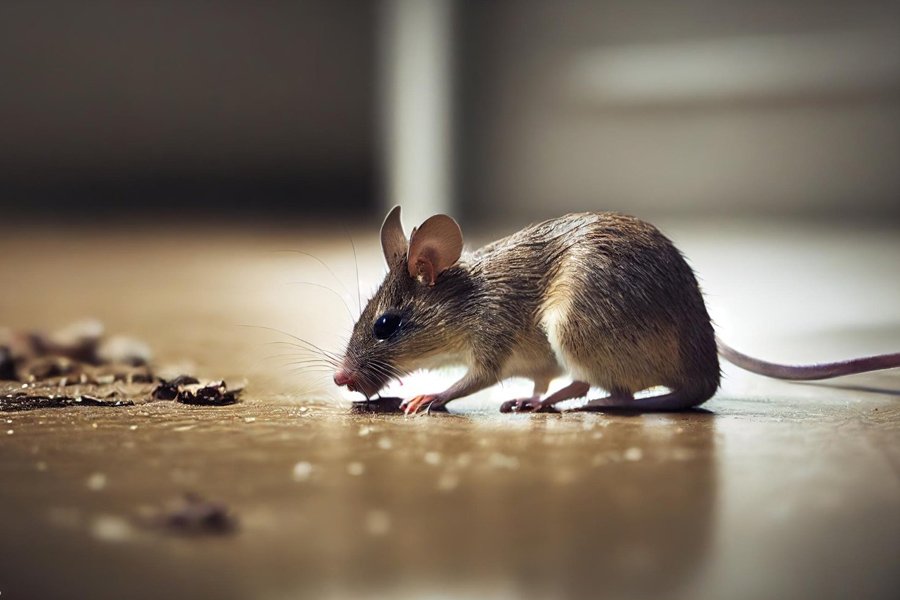
Rodents can create health concerns when they enter homes and remain active in living spaces. Rats and mice may leave droppings, urine, saliva, dander, and nesting materials behind.
These materials can contaminate surfaces and contribute to exposure during everyday household activities. Addressing an infestation can help reduce those risks and support cleaner indoor conditions.
Rodent removal is only one part of the process. Proper cleanup, food protection, and measures that prevent rodents from returning are also important for maintaining a healthier home.
Reducing Exposure to Rodent Waste
Rodent waste can accumulate in areas such as kitchens, cabinets, attics, garages, and storage spaces. People may encounter contaminated surfaces while preparing food, cleaning, or retrieving stored belongings.
Rodent droppings and urine can carry microorganisms that may cause illness. Exposure can occur through contact with contaminated materials or through particles released when waste is disturbed.
Removing active rodents helps stop the continued accumulation of waste. However, existing contamination still needs to be addressed through appropriate cleaning and disinfection procedures.
Supporting Cleaner Indoor Air
Rodent activity can also contribute to indoor exposure to allergens. Rodent urine, dander, saliva, and other materials can become part of household dust.
Disturbing dried droppings or nesting material can also release particles into the air. This is one reason careful cleaning is important after an infestation has been identified.
People with allergies or respiratory sensitivities may be more affected by indoor allergens. Reducing rodent activity and keeping affected areas clean can help limit unnecessary exposure.
Protecting Food and Food Preparation Areas
Kitchens and food storage areas require particular attention during a rodent infestation. Rats and mice can travel across counters, inside cabinets, and around pantry shelves.
Rodents may chew through food packaging or leave waste near stored products. Food that has been contaminated by rodent droppings, urine, or other waste should be discarded.
Sealed food containers can provide an additional barrier against contamination. Regular cleaning can also remove crumbs and food residue that may provide an accessible food source.
Cleaning Contaminated Areas Safely
Removing rodents does not automatically remove the contamination they leave behind. Droppings, urine, nesting materials, and other debris may remain after animals are no longer present.
Cleanup should be performed carefully to avoid unnecessarily disturbing dried waste. Dry sweeping or vacuuming contaminated material can disperse particles into the air.
Appropriate wet-cleaning and disinfection procedures can help reduce contamination on affected surfaces. Heavily contaminated areas or difficult-to-access spaces may require professional cleaning assistance.
Reducing Exposure for Children and Pets
Children and pets can spend time near floors, cabinets, storage areas, and other places where rodents may travel. Their normal activities can create opportunities for contact with contaminated surfaces.
Pets may also investigate enclosed spaces where rodents have nested. Keeping children and animals away from affected areas during cleanup can help reduce unnecessary contact.
After cleanup, households can inspect these areas for renewed signs of rodent activity. Continued monitoring can help identify problems before contamination becomes widespread again.
Why Prompt Action Matters
An untreated infestation gives rodents more time to move through household spaces and produce additional waste. Continued activity can increase the number of areas requiring cleaning.
Prompt rodent removal can help limit the duration of exposure to rodent-related contaminants. It also makes it possible to begin cleaning affected spaces sooner.
Early action is particularly useful around food storage areas and frequently occupied rooms. Addressing signs of activity can also help identify potential entry points that need attention.
Maintaining a Healthier Home
Health protection does not end when rodents are removed. Existing contamination should be cleaned appropriately, while potential entry points should be identified and addressed.
Food should be stored in secure containers, and accessible crumbs or food residue should be cleaned regularly. Household spaces should also be checked periodically for new droppings, gnaw marks, or nesting materials.
These measures work together to reduce conditions that support continued rodent activity. They can also help maintain cleaner and more hygienic household spaces.
Rodent removal can therefore play an important role in reducing ongoing exposure to rodent-related waste and allergens. Combining removal with proper sanitation and prevention measures provides a more complete approach to household health.
When signs of rodents appear, addressing the issue promptly can help protect areas where people prepare food, sleep, and spend time. A well-maintained home can reduce unnecessary exposure to contaminants associated with rodent activity.