Pathophysiology and Clinical Causes of Urinary Frequency
Frequent urination, medically termed increased frequency of micturition, is characterized by the need to void more often than typically considered normal. While what constitutes “normal” can vary, most individuals urinate between six to eight times over a 24-hour period, or approximately every three to four hours, when adequately hydrated. It’s crucial to differentiate this from polyuria, which refers to an excessive total urine output, generally defined as more than three liters per day. Frequent urination often involves passing smaller volumes of urine more frequently, whereas polyuria involves passing large volumes each time.
The underlying pathology of frequent urination is diverse. One common cause is detrusor overactivity, often associated with overactive bladder (OAB) syndrome. Here, the bladder muscle (detrusor) contracts involuntarily, creating a sudden, strong urge to urinate, even when the bladder isn’t full. This can lead to significant bother and impact quality of life.
Urinary tract infections (UTIs) are a very common culprit, especially in women. Bacteria irritate the bladder lining, leading to inflammation (cystitis) and a constant sensation of needing to urinate, often accompanied by pain or burning. Urolithiasis, or bladder stones, can also cause similar irritative symptoms by physically irritating the bladder wall.
Systemic diseases frequently manifest with urinary symptoms. Diabetes mellitus, particularly when blood glucose levels are poorly controlled, leads to increased urine production (polyuria) as the kidneys try to excrete excess sugar, which in turn causes frequent urination. Similarly, diabetes insipidus, a rare condition affecting antidiuretic hormone (ADH) regulation, results in the kidneys producing large amounts of very dilute urine, leading to both polyuria and frequency. Hypercalcemia, an elevated level of calcium in the blood, can also impair kidney function and increase urine output.
Beyond physical ailments, psychological factors play a significant role. Anxiety and stress can heighten bladder sensitivity, leading to a perceived urgent need to urinate more often. This is often due to muscle tension and an increased awareness of bodily sensations.
While many causes are benign, certain “red-flag” symptoms warrant immediate medical attention. These include the presence of fever, unexplained back pain, blood in the urine (hematuria), new-onset neurologic deficits such as lower-extremity weakness or loss of bladder control, or severe, sudden pain. These signs could indicate a more serious underlying condition requiring urgent evaluation.
Sex-Specific Factors and Hormonal Influences
The causes of frequent urination can differ significantly between sexes due to anatomical and hormonal variations.
In men, issues related to the prostate gland are a primary concern. Benign prostatic hyperplasia (BPH), or an enlarged prostate, is extremely common as men age. The enlarged gland can obstruct the flow of urine from the bladder, leading to incomplete emptying and an increased need to urinate frequently, often with a weak stream. Prostatitis, inflammation of the prostate, whether bacterial or non-bacterial, can also cause significant urinary frequency, urgency, and pain. Less commonly, urethral stricture, a narrowing of the urethra, can impede urine flow and lead to similar symptoms.
For women, several unique factors contribute to urinary frequency. Pregnancy is a well-known cause, especially in the first and third trimesters. In early pregnancy, hormonal changes (like increased hCG) and increased blood volume lead to more urine production. In later stages, the growing uterus puts direct pressure on the bladder. Cystocele, or a dropped bladder, occurs when the bladder bulges into the vagina due to weakened pelvic floor muscles, often after childbirth. This can prevent complete bladder emptying and increase frequency. More broadly, pelvic organ prolapse can affect bladder function.
Perimenopause and menopause bring significant hormonal shifts, particularly a decline in estrogen. Estrogen plays a vital role in maintaining the health and elasticity of the bladder, urethra, and pelvic floor tissues. A decrease in estrogen can lead to thinning and weakening of these tissues, resulting in increased bladder sensitivity, urgency, and frequency.
Here’s a comparison of common causes:
| Cause of Frequent Urination | Predominantly Affects Men | Predominantly Affects Women | Affects Both Sexes |
|---|---|---|---|
| Benign Prostatic Hyperplasia | Yes | No | No |
| Prostatitis | Yes | No | No |
| Urethral Stricture | Yes | Less Common | Yes |
| Pregnancy | No | Yes | No |
| Menopause/Estrogen Deficiency | No | Yes | No |
| Cystocele/Pelvic Organ Prolapse | No | Yes | No |
| Urinary Tract Infections | Less Common | Yes | Yes |
| Overactive Bladder | Yes | Yes | Yes |
| Diabetes Mellitus | Yes | Yes | Yes |
| Anxiety/Stress | Yes | Yes | Yes |
| Bladder Stones | Yes | Yes | Yes |
| Neurological Conditions | Yes | Yes | Yes |
Nocturia Mechanisms and Systemic Comorbidities
Nocturia, defined as waking up one or more times during the night specifically to urinate, is a particularly bothersome form of frequent urination. It affects millions globally and significantly impacts sleep quality and overall health. While daytime frequency can have many causes, nocturia often has distinct underlying mechanisms.
The most common cause of nocturia is nocturnal polyuria, where an excessive amount of urine is produced during sleeping hours. This can be due to several factors. Hormonal regulation plays a key role; specifically, the nocturnal surge of arginine vasopressin (AVP), also known as antidiuretic hormone, normally reduces urine production at night. A blunted AVP response or resistance to its effects can lead to increased nighttime urine output. Conversely, elevated levels of atrial natriuretic peptide (ANP), a hormone that promotes sodium and water excretion, can also contribute to nocturnal polyuria, particularly in conditions like heart failure.
Systemic comorbidities are strongly linked to nocturia. Obstructive sleep apnea (OSA) is a significant contributor; the recurrent drops in oxygen levels and changes in intrathoracic pressure during apnea episodes can trigger ANP release, leading to increased urine production. Treating OSA, often with continuous positive airway pressure (CPAP), can significantly reduce nocturia.
Congestive heart failure (CHF) and other conditions causing peripheral edema (swelling in the legs and ankles) are also major drivers. During the day, fluid accumulates in the lower extremities due to gravity. When a person lies down at night, this fluid is reabsorbed into the bloodstream and processed by the kidneys, resulting in a large volume of urine. Properly managing fluid retention and timing diuretic medications can help.
The impact of nocturia extends beyond sleep disruption. Frequent nighttime trips to the bathroom, especially for older adults, significantly increase the risk of falls and fractures. In fact, a quarter of all falls in older individuals occur overnight, with 25% directly linked to nocturia. Patients making two or more nocturnal bathroom visits have more than double the risk of fall-related traumas. This highlights the importance of addressing nocturia not just for comfort, but for safety.
Diagnostic Innovations in Modern Urological Care
Accurately diagnosing the cause of frequent urination is paramount for effective treatment. Modern urology employs a comprehensive diagnostic protocol that combines detailed patient history with advanced testing to pinpoint the exact issue.
The diagnostic journey typically begins with a thorough medical history, where we discuss symptoms, their duration, severity, and any associated factors. This includes questions about fluid intake, dietary habits, medications, and lifestyle. A crucial tool in this initial phase is the 24-hour voiding diary. Patients are asked to record the time and volume of each urination, as well as fluid intake, over one to three days. This diary provides invaluable objective data, helping to differentiate between true frequency, polyuria, and nocturnal polyuria, and can reveal patterns linked to specific triggers.
Physical examination is also vital, often including an abdominal examination, a digital rectal exam for men to assess the prostate, and a pelvic exam for women to check for prolapse or other gynecological issues.
Laboratory tests are fundamental. A urinalysis checks for signs of infection, blood, protein, or glucose in the urine. If infection is suspected, a urine culture is performed to identify the specific bacteria and determine antibiotic sensitivity. Blood tests may be ordered to check kidney function, blood glucose levels (for diabetes), and calcium levels (for hypercalcemia).
To assess bladder emptying, a post-void residual (PVR) volume measurement is often taken using an ultrasound. This non-invasive test determines how much urine remains in the bladder after voiding, indicating potential obstruction or bladder muscle weakness.
Imaging studies can provide structural information. A renal ultrasound can visualize the kidneys, ureters, and bladder, checking for stones, tumors, or structural abnormalities. For more detailed views, a CT scan or MRI might be used. A cystoscopy, where a thin, flexible tube with a camera is inserted into the urethra to view the bladder lining, may be performed if bladder tumors, stones, or inflammation are suspected.
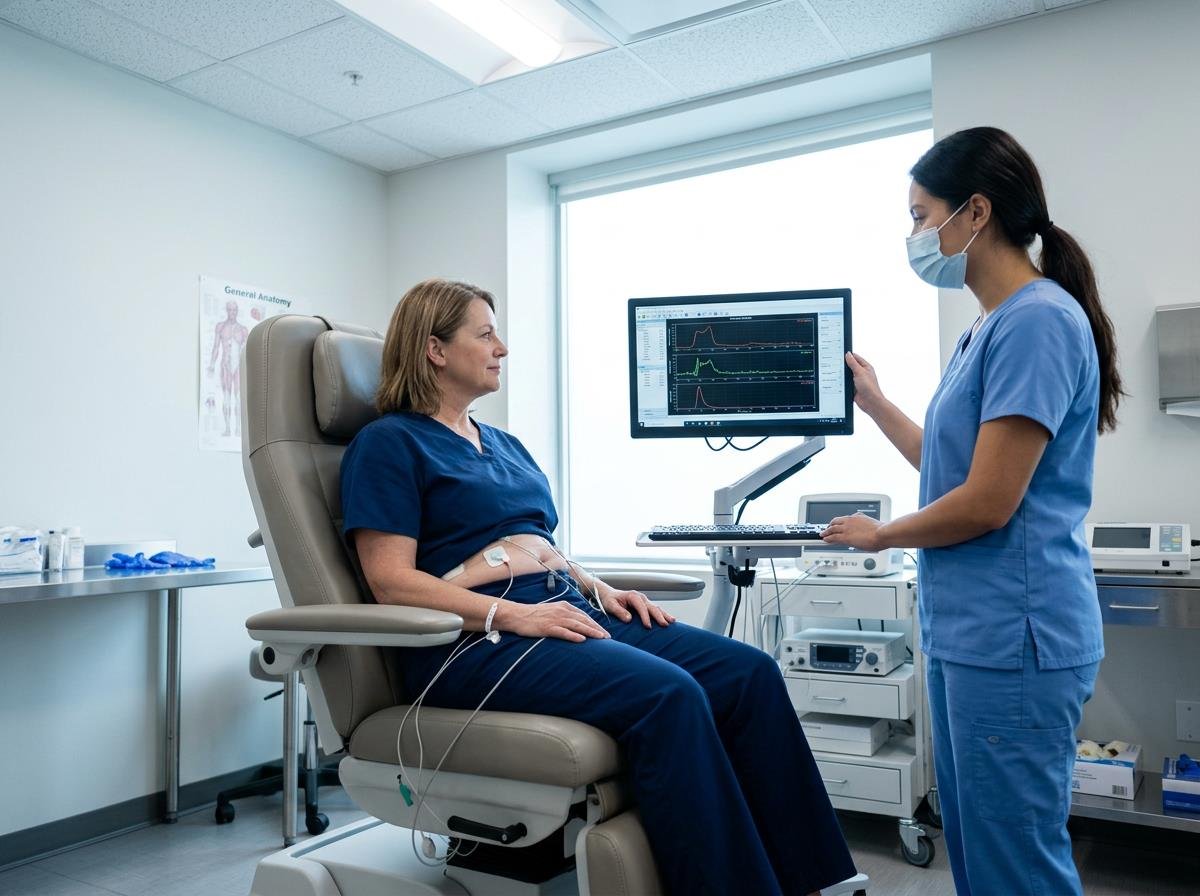
Finally, cystometry and urodynamic testing are specialized studies that evaluate bladder function. These tests measure bladder pressure, urine flow rates, and bladder capacity during filling and emptying. They can identify detrusor overactivity, bladder outlet obstruction, or impaired bladder contractility, providing a dynamic assessment of how the bladder and urethra are working together. These comprehensive diagnostic tools allow us to create a precise and individualized treatment plan.
Modern Urology Treatments for Lower Urinary Tract Dysfunction
Addressing frequent urination effectively requires a tailored approach, often involving multimodal therapy that combines lifestyle adjustments with medical or procedural interventions. Our goal is to alleviate symptoms, improve quality of life, and treat any underlying conditions.

One of the cornerstones of managing lower urinary tract dysfunction is lifestyle modification. This includes adjusting fluid intake, particularly limiting fluids in the evening to reduce nocturia, and avoiding bladder irritants such as caffeine, alcohol, and artificial sweeteners. Bladder retraining is a behavioral therapy where patients gradually increase the time between voids to improve bladder capacity and control. This involves scheduling urination times and resisting the urge to go between scheduled intervals.
Pelvic floor physiotherapy, often incorporating Kegel exercises, strengthens the muscles that support the bladder and urethra, which can be highly effective for stress incontinence and urgency symptoms. Biofeedback can be used in conjunction with pelvic floor exercises to help patients better understand and control these muscles. For those seeking comprehensive guidance and advanced solutions for their urinary health concerns, exploring personalized urology services can provide access to expert care tailored to individual needs.
Minimally Invasive Urology Treatments for Benign Prostatic Hyperplasia
When frequent urination in men is caused by benign prostatic hyperplasia (BPH), a range of effective treatments are available, from medications to minimally invasive procedures. Medications like alpha-blockers relax bladder neck muscles, while 5-alpha reductase inhibitors shrink the prostate. However, for moderate to severe symptoms, or when medications are ineffective, minimally invasive urology treatments offer significant relief with reduced recovery times compared to traditional surgery.
Historically, transurethral resection of the prostate (TURP) has been the gold standard, involving the removal of excess prostate tissue through the urethra. While effective, it carries risks and a longer recovery. Modern advancements have introduced several less invasive options:
- Prostatic Urethral Lift (PUL), commonly known as UroLift, involves placing small implants to hold open the enlarged prostate lobes, relieving compression on the urethra. This procedure preserves sexual function and has a quick recovery.
- Laser enucleation techniques, such as Holmium Laser Enucleation of the Prostate (HoLEP), use a laser to precisely remove the obstructive prostate tissue, offering excellent long-term results even for very large prostates.
- Water vapor therapy, like the Rezūm System, uses steam to ablate excess prostate tissue, reducing its size and improving urine flow. This is another option known for preserving sexual function.
These procedures aim to reduce outflow resistance from the bladder, allowing for more complete emptying and reducing the frequency of urination, particularly nocturia.
Emerging Overactive Bladder and Neuromodulation Urology Treatments
For patients with overactive bladder (OAB) who experience urgency, frequency, and sometimes urge incontinence, treatment options have expanded significantly. Initial management often includes behavioral therapies. When these are insufficient, medications are typically the next step.
Anticholinergic medications (e.g., oxybutynin, tolterodine) work by blocking nerve signals that cause bladder muscle contractions, helping to relax the bladder and reduce urgency. Beta-3 agonists (e.g., mirabegron, vibegron) work by activating receptors in the bladder muscle, leading to bladder relaxation and increased capacity. Both classes of drugs have different side effect profiles, and choice depends on individual patient factors.
For those with refractory OAB—symptoms that don’t respond to oral medications—more advanced therapies are available:
- OnabotulinumtoxinA (Botox) injections into the bladder muscle can temporarily paralyze overactive nerves, reducing involuntary contractions and improving bladder capacity. Effects typically last 6-12 months.
- Sacral neuromodulation (SNM) involves implanting a small device that sends mild electrical impulses to the sacral nerves, which control bladder function. This helps to normalize nerve signals between the bladder and brain, improving OAB symptoms.
- Percutaneous tibial nerve stimulation (PTNS) is a less invasive form of neuromodulation. A thin needle electrode is inserted near the ankle to stimulate the tibial nerve, which indirectly influences the nerves controlling bladder function. This is typically done in a series of office-based treatments.
These emerging treatments offer hope and significant relief for individuals struggling with persistent OAB symptoms, allowing them to regain control over their bladder and their lives.
Frequently Asked Questions About Urinary Frequency
How does urinary frequency differ from polyuria?
Urinary frequency refers to the need to urinate more often than usual, typically with normal or even small voiding volumes each time. It’s about the number of trips to the bathroom. Polyuria, on the other hand, is defined by an abnormally large total daily urine output, usually exceeding 3 liters in 24 hours. In polyuria, each voiding volume might be large. So, while someone with polyuria will likely experience frequent urination, someone with frequent urination may not have polyuria if their total daily urine output is within normal limits; their bladder might just have a reduced functional capacity or be irritated.
What are the primary triggers of nocturnal polyuria?
Nocturnal polyuria, where excessive urine is produced at night, has several key triggers. A common one is a blunted or absent nocturnal surge of arginine vasopressin (AVP), the hormone that normally reduces urine production during sleep. Other triggers include fluid redistribution from peripheral edema (swelling in the legs) when lying down, which increases blood volume and kidney filtration. Certain sleep disorders, particularly obstructive sleep apnea, can also trigger hormonal changes that increase nighttime urine production. Finally, underlying cardiovascular disease like congestive heart failure can contribute by affecting fluid balance and kidney function, leading to increased nocturnal urine output.
When should urinary urgency prompt immediate medical evaluation?
While urinary urgency can be a common and often benign symptom, certain accompanying signs should prompt immediate medical evaluation. You should seek urgent care if your urinary urgency is accompanied by hematuria (blood in the urine), a persistent fever (especially with chills or body aches), flank pain (pain in your side or back, often indicating a kidney issue), new-onset spinal cord signs such as lower-extremity weakness, numbness, or loss of bowel/bladder control, or if you experience acute urinary retention (inability to urinate despite a full bladder). These symptoms could indicate a serious infection, kidney stones, neurological problem, or bladder outlet obstruction requiring prompt diagnosis and treatment.
Conclusion

Frequent urination is a common and often disruptive symptom with a wide array of potential causes, ranging from lifestyle choices and common infections to chronic systemic diseases and age-related changes. Understanding the nuances between simple frequency, polyuria, and the specific challenges of nocturia is crucial for accurate diagnosis and effective management.
Modern urology has made significant strides in both diagnostic precision and therapeutic innovation. From detailed voiding diaries and advanced urodynamic testing to a spectrum of treatments including behavioral therapies, targeted medications, and cutting-edge minimally invasive procedures for conditions like BPH and refractory OAB, relief is more accessible than ever.
The journey to better bladder health begins with recognizing symptoms and seeking timely diagnosis. By embracing individualized care plans, leveraging the latest advancements, and making informed lifestyle choices, individuals experiencing frequent urination can regain control, improve their quality of life, and ensure long-term bladder health.