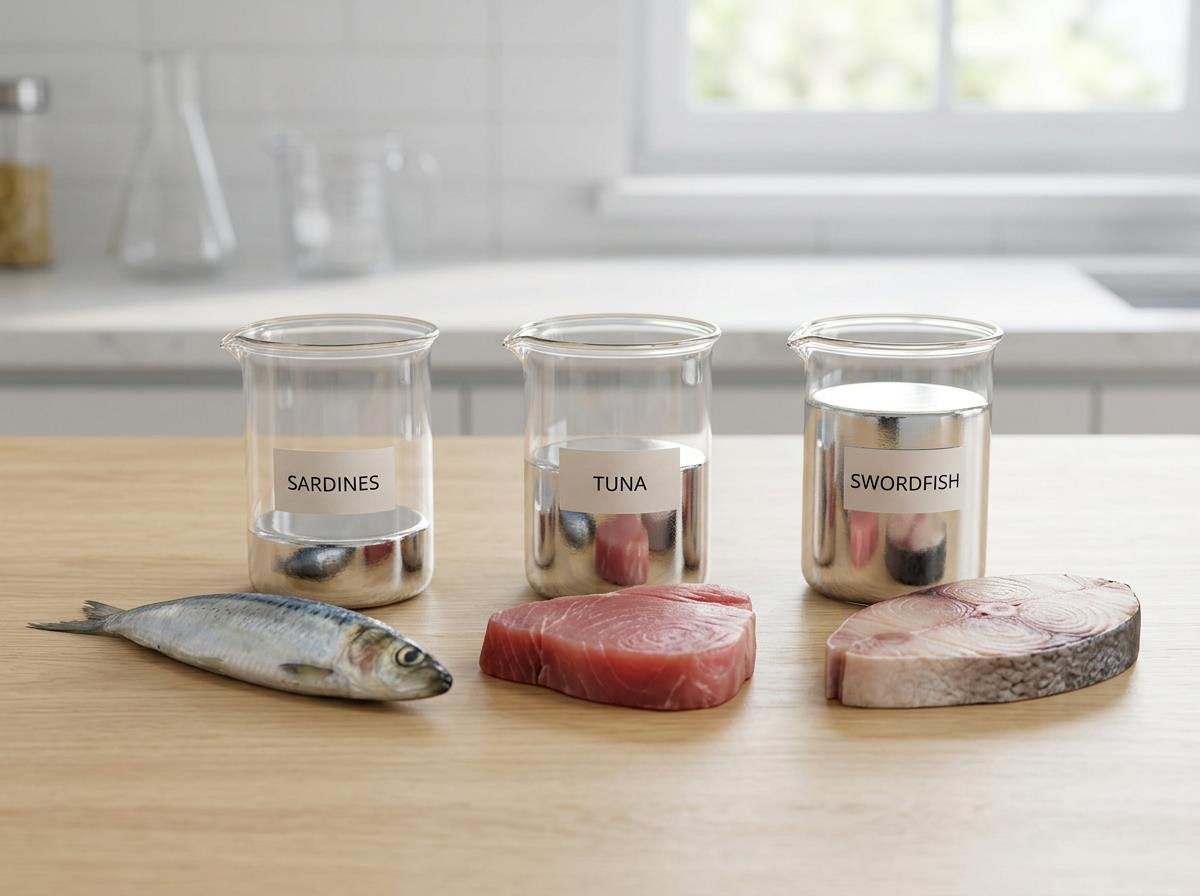
The oceans, vital to our planet’s health, are unfortunately susceptible to various forms of pollution, including the introduction of heavy metals. Among these, mercury stands out as a significant concern, primarily because it can transform into methylmercury—a highly toxic organic compound—in aquatic environments. This transformation is largely driven by microbial activity in sediments and water. Once methylmercury is formed, it readily enters the marine food web, initiating a process known as bioaccumulation.
Bioaccumulation is the gradual buildup of substances, such as pesticides or other chemicals, within an organism. In the context of mercury, this means that as small marine organisms consume methylmercury-laden plankton or detritus, the mercury accumulates in their tissues. When larger predators eat these smaller organisms, the mercury is transferred up the food chain. This upward movement through different trophic levels—from primary producers to apex predators—leads to a phenomenon called biomagnification.
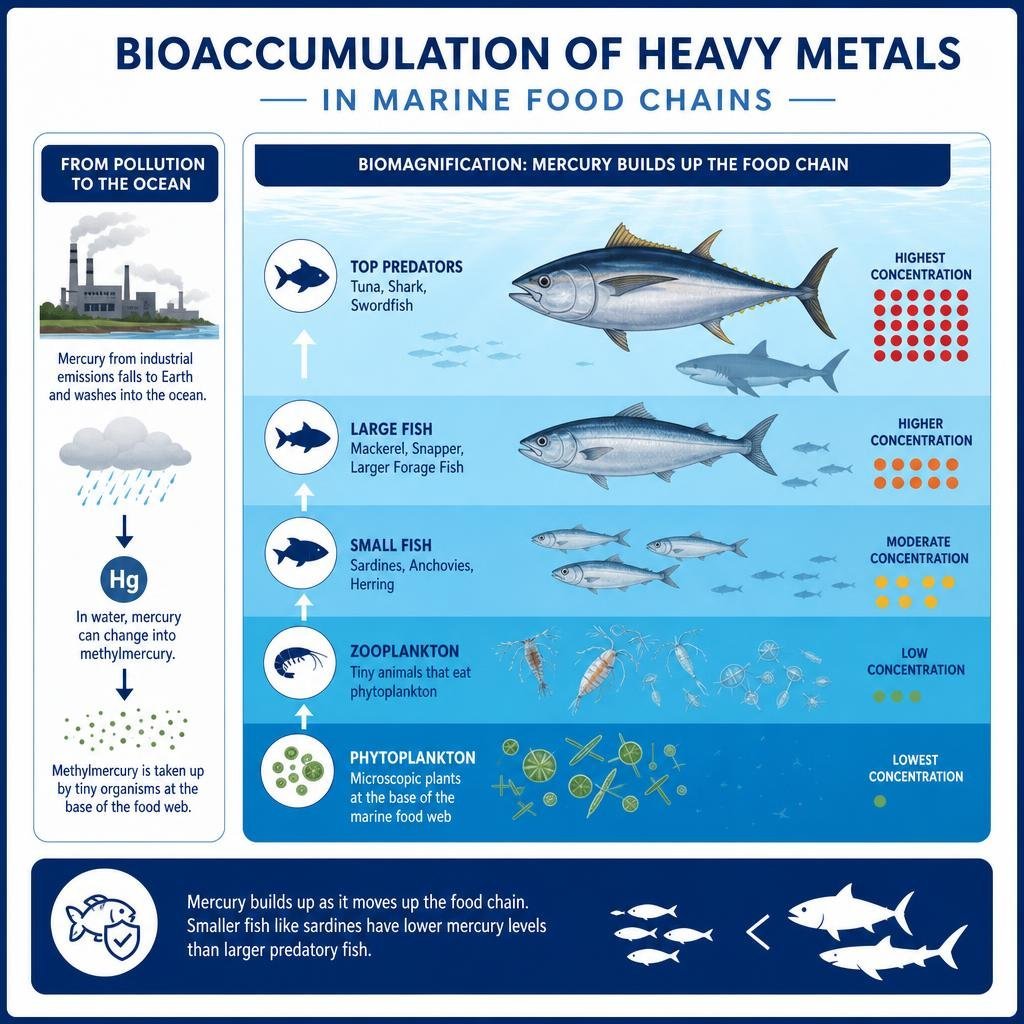
At each successive trophic level, the concentration of methylmercury in the tissues of organisms increases. This means that fish higher up the food chain, such as large tuna, swordfish, and sharks, tend to have significantly higher levels of mercury than smaller, lower-trophic species. Industrial activities, including coal-fired power plants, mining, and waste incineration, are the primary sources of mercury emissions into the atmosphere, which then settle into our oceans through rain and runoff. This continuous influx of mercury contributes to the persistent presence of this heavy metal in marine life, making it a critical issue for both environmental health and human consumption. Understanding this intricate process is the first step in appreciating why mercury testing in seafood is not just a regulatory measure but a cornerstone of public health and sustainable fishery management.
Why Mercury Testing is Essential for Sustainable Seafood
In an era where consumers are increasingly conscious about the origins and safety of their food, mercury testing has become an indispensable component of sustainable seafood practices. The presence of methylmercury in fish, even at low levels, can pose health risks, particularly for vulnerable populations such as pregnant women, young children, and individuals with compromised immune systems. Rigorous mercury testing protocols are therefore crucial for safeguarding public health and building consumer trust.
Beyond individual health, mercury testing plays a vital role in fishery management and environmental safety. By monitoring mercury levels across different species and regions, scientists and regulators can identify areas of concern, track pollution trends, and inform fishing advisories. This data helps ensure that seafood brought to market meets stringent food safety standards, contributing to a more transparent and accountable industry. Purity verification, through comprehensive testing, is not merely about compliance; it’s about upholding a commitment to environmental stewardship and consumer well-being.
The Role of Purity Verification in Sustainable Seafood
Purity verification in the seafood industry involves a systematic approach to testing that goes beyond general compliance. For mercury, this often means implementing specific testing protocols, including batch testing, where samples from each catch or production run are analyzed. These tests aim to confirm that mercury levels remain below established safety thresholds set by regulatory bodies worldwide. Consumer transparency is a key outcome of such verification processes; brands that openly share their testing results and methodologies foster greater trust. This commitment to purity is a hallmark of truly sustainable seafood practices, ensuring that what we consume is not only ethically sourced but also safe to consume.
How Low-Trophic Fish Offer a Safer Nutritional Profile
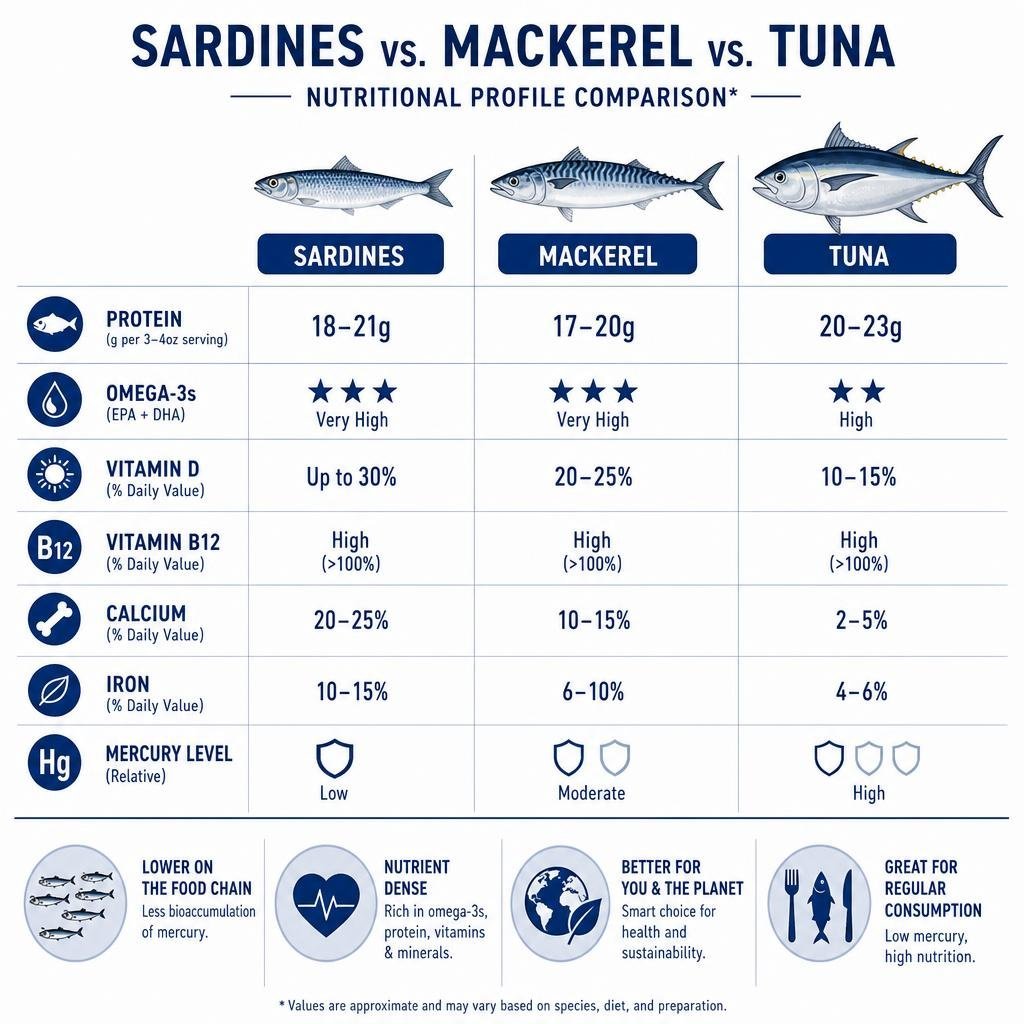
Given the dynamics of bioaccumulation, choosing fish lower on the food chain naturally offers a safer nutritional profile in terms of mercury content. Species like sardines, anchovies, and mackerel are excellent examples of low-trophic fish. They feed on plankton and smaller organisms, so they accumulate significantly less methylmercury than larger, longer-lived predators.
This inherent advantage makes options like sustainable mercury-tested boneless sardines an exceptionally smart choice for regular consumption. Not only do they present a minimal mercury risk, but they are also packed with essential nutrients, offering a dense nutritional punch without the associated heavy metal concerns. Their position in the food web makes them a natural fit for a health-conscious and sustainable diet, embodying the principle that eating lower on the food chain is beneficial for both our bodies and the planet.
Nutritional Powerhouses: The Benefits of Small Wild-Caught Fish
Small, wild-caught fish like sardines are not just a sustainable choice; they are also nutritional powerhouses, offering a spectrum of health benefits that make them an invaluable addition to any diet. Their rich nutritional profile is a testament to their natural diet and position in the marine ecosystem.
One of the most celebrated attributes of these fish is their exceptionally high content of omega-3 fatty acids, specifically EPA (eicosapentaenoic acid) and DHA (docosahexaenoic acid). A single can of sardines, for example, can deliver over 1,000mg of these crucial fatty acids. Omega-3s are renowned for their profound impact on cardiovascular health, helping to reduce inflammation, lower blood pressure, and support healthy cholesterol levels. They also play a critical role in cognitive function, supporting brain health and potentially reducing the risk of neurodegenerative diseases.
Beyond omega-3s, boneless sardines are an outstanding source of high-quality protein, providing 18–21g per 3–4oz drained serving. This makes them one of the highest-protein canned fish options available, essential for muscle repair, growth, and overall bodily function.
Furthermore, these small fish are packed with essential vitamins and minerals. They are a significant source of vitamin D, crucial for bone health and immune system support, and a single serving can provide up to 30% of the daily value. Vitamin B12, vital for nerve function and red blood cell formation, is also abundant. Additionally, sardines offer valuable amounts of calcium, important for skeletal integrity, and iron, necessary for oxygen transport in the blood. These combined nutrients make small wild-caught fish an incredibly efficient way to boost overall health and well-being.
Sustainable Harvesting and Low Carbon Footprint of Small Fish
The appeal of boneless sardines in a can extends far beyond their nutritional benefits and low mercury levels; it also encompasses their remarkable sustainability profile. The methods used to harvest small, schooling fish like sardines are often among the most environmentally responsible in the seafood industry, resulting in a significantly lower carbon footprint than many other protein sources.
A prime example of sustainable harvesting is purse seine fishing. This method involves encircling an entire school of fish with a large net, which is then drawn closed like a drawstring purse. When implemented responsibly, particularly without the use of Fish Aggregating Devices (FADs), purse seining can be highly selective. The absence of FADs is crucial because these floating objects often attract a wide variety of marine life, leading to unintended bycatch. By focusing on free-swimming schools, sustainable purse seine operations virtually eliminate bycatch, ensuring that only the target species is harvested, thus minimizing harm to other marine populations.
Moreover, sardines boast an impressively low carbon footprint across their entire product life cycle—from raw materials and manufacturing to packaging, distribution, and end-of-life. As a species lower on the food chain, they require fewer resources to grow and reproduce, and their abundance makes them a highly efficient catch. This characteristic positions them well below the category average for carbon emissions, making them an environmentally sound choice for conscious consumers.
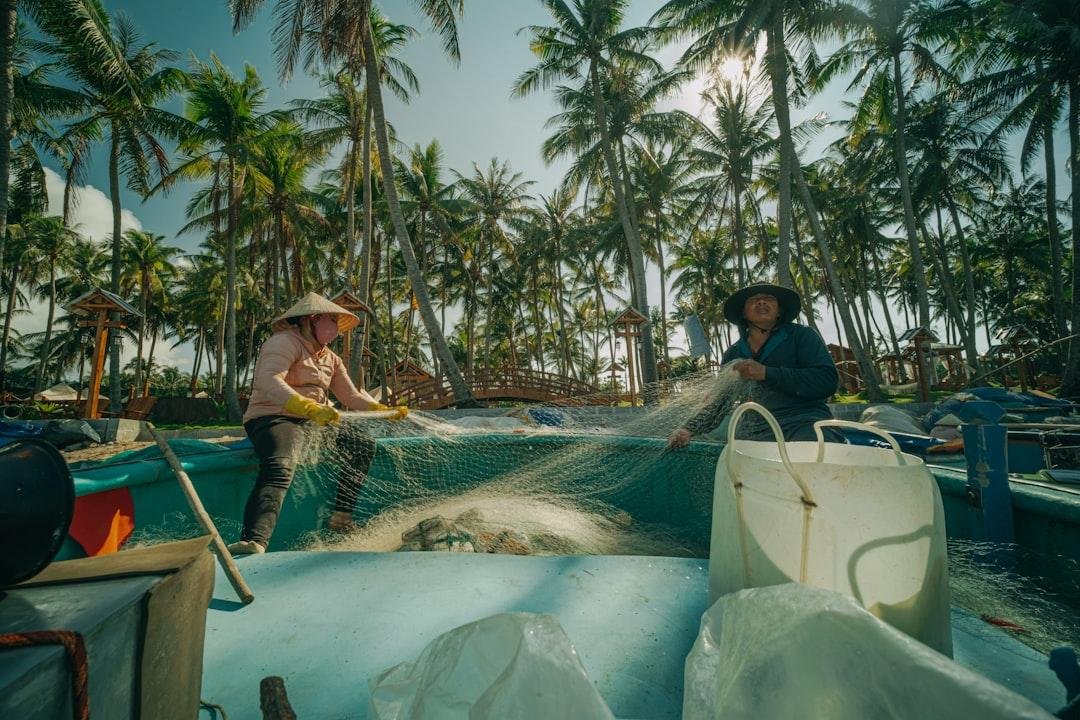
The commitment to marine conservation is evident in fisheries that prioritize these sustainable practices. By choosing boneless sardines from well-managed fisheries that employ methods like FAD-free purse seining, we support not only the health of our oceans but also the long-term viability of these valuable marine resources. This holistic approach to sustainability ensures that future generations can continue to enjoy the benefits of these small but mighty fish.
Frequently Asked Questions About Mercury and Sustainable Seafood
As consumers become more informed about their food choices, questions surrounding mercury content and sustainability in seafood are increasingly common. We aim to provide clear, concise answers to help you make the best decisions for your health and the planet.
What is the connection between mercury testing and Sustainable Seafood?
The connection between mercury testing and sustainable seafood is fundamental. Sustainable seafood practices are not just about environmental impact, such as fishing methods and stock management; they also encompass the health and safety of the product for consumption. Mercury testing ensures that seafood products meet safety standards, validating their “sustainable” claims holistically. By verifying low mercury levels, we assure consumers that their choice is not only environmentally responsible but also safe for their well-being. This transparency builds trust and encourages continued support for sustainable fisheries that prioritize both ecological balance and public health.
Why do smaller fish like sardines have lower mercury levels than larger fish?
The reason smaller fish like sardines naturally contain lower levels of mercury than larger fish lies in the process of biomagnification in the marine food chain. As methylmercury moves up the trophic levels, its concentration increases. Sardines, being small, short-lived, and feeding primarily on plankton and smaller organisms, are at a lower trophic level. They don’t live long enough or consume enough mercury-laden prey to accumulate significant amounts of the heavy metal. In contrast, larger, predatory fish like tuna and swordfish are at the top of the food chain, consuming many smaller fish over their longer lifespans, leading to much higher mercury accumulation in their tissues. This makes sardines an inherently safer option for regular consumption.
How can consumers verify if their canned fish has been tested for mercury?
Consumers can verify if their canned fish has been tested for mercury by looking for specific indicators of transparency and quality from the brand. Reputable companies often provide detailed information on their websites regarding their sourcing, processing, and testing protocols. Look for explicit statements about mercury testing, often including claims of meeting stringent purity standards or testing every batch. Some brands might even provide specific mercury limits they adhere to, which are often stricter than regulatory requirements. Additionally, certifications from third-party organizations that focus on seafood sustainability and quality can offer an extra layer of assurance. If a brand is transparent about its testing, it will usually make that information easily accessible to its customers, either on the product packaging or through its digital platforms.
Conclusion
The journey of boneless sardines in a can from the ocean to our plates is a testament to how food can be both incredibly nutritious and remarkably sustainable. From their inherent low mercury content due to their position in the food chain to eco-friendly harvesting methods like FAD-free purse seining, these small fish represent a conscientious choice for the modern consumer. Their rich profile of omega-3 fatty acids, high-quality protein, and essential vitamins and minerals underscores their value as a nutritional powerhouse.
Our collective awareness and demand for transparent, safe, and environmentally sound food sources will continue to shape the industry. By understanding the critical role of mercury testing, appreciating the benefits of low-trophic species, and supporting sustainable harvesting practices, we contribute to a healthier planet and a healthier future for ourselves. Choosing boneless sardines in a can is more than just a culinary preference; it’s an informed decision that aligns with the principles of health, sustainability, and responsible consumption.