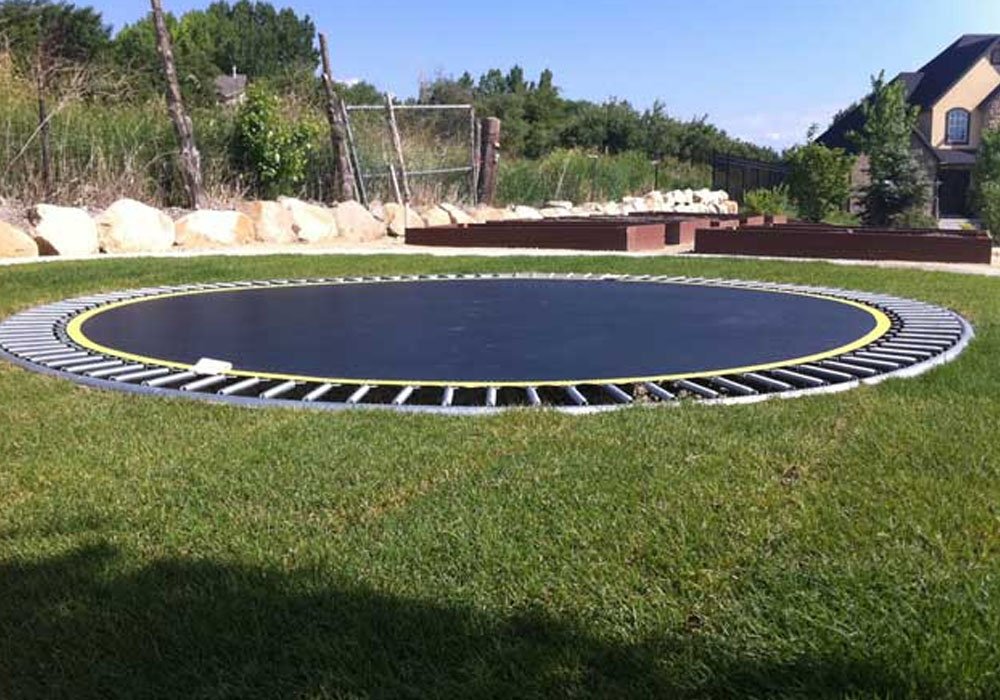
For many homeowners, the idea of installing an inground trampoline is exciting — until they look out at their carefully nurtured lawn, their blooming flower beds, and their lush green grass. Suddenly, the question changes from “Where should we put it?” to “Will this destroy everything I’ve worked so hard to grow?”
The good news is that with the right planning and approach, an inground trampoline and a beautiful garden can absolutely coexist. In fact, when done correctly, an inground trampoline can look like it was always meant to be part of your outdoor space — framed by grass, surrounded by flowers, and completely at home in your garden. Here is how to protect your lawn every step of the way.
Step 1: Choose the Right Location Thoughtfully
Before a single shovel hits the ground, take time to study your garden. Walk around and observe where your grass is thickest, where your flower beds are positioned, and where water naturally drains after rain. You want to choose a spot that avoids:
- Tree roots, which can be damaged during digging and may cause drainage problems later
- Flower beds and borders, which are easily disturbed by heavy machinery or foot traffic
- Low-lying areas, where water tends to pool and could flood your trampoline pit
Choose a flat, open section of lawn with good natural drainage. Mark out the area clearly before any work begins so your garden beds stay well out of the way.
Step 2: Protect the Surrounding Grass Before You Dig
The excavation phase is where most lawn damage happens — and it is entirely preventable. Before digging begins, lay down thick protective boards or plywood sheets across the grass surrounding the dig site. This distributes the weight of wheelbarrows, equipment, and foot traffic so the soil underneath is not compacted or killed.
Keep all excavated soil in a designated area away from your flower beds. Cover nearby plants with breathable garden fabric to protect them from dust, debris, and accidental damage during digging. Small precautions at this stage make a significant difference to how your garden looks once the work is done.
Step 3: Get the Drainage Right — Your Grass Depends on It
Poor drainage is one of the most common causes of lawn damage around inground trampolines. When water has nowhere to go, it sits in the pit, seeps outward, and creates waterlogged soil that suffocates your grass roots and turns flower beds to mud.
A proper inground trampoline installation should always include a drainage solution at the base of the pit. Options include a gravel-filled base layer, a sump pump for areas with heavy rainfall, or a French drain system that channels water away from the pit and the surrounding garden. When drainage is handled correctly, your grass and flowers remain healthy regardless of the season.
Step 4: Restore and Re-Seed the Lawn After Installation
Once the trampoline frame is in place, do not leave the surrounding area to recover on its own. Any grass that was disturbed, compacted, or removed during installation should be actively restored. Lightly loosen the soil around the edges of the frame, add a thin layer of topsoil, and re-seed with a matching grass variety. Water consistently for the first two to three weeks until the new grass establishes itself.
If you want to go further, consider edging the trampoline with low-growing plants or a neat border of flowers — lavender, daisies, or ornamental grasses all work beautifully and help the trampoline frame blend naturally into the garden landscape.
Step 5: Maintain the Area Going Forward
An inground trampoline requires a little ongoing care to keep the surrounding lawn looking its best. Trim the grass around the frame regularly to prevent overgrowth creeping onto the mat. Check the pit drainage seasonally, especially after heavy rain. And in spring, give the surrounding soil a light feed to keep the grass thick, green, and healthy year-round.
The Result: A Garden That Has It All
With careful planning and the right installation approach, your lawn does not have to suffer for the sake of fun. An inground trampoline, properly installed and thoughtfully landscaped, becomes a natural feature of your garden — one surrounded by healthy grass, bright flowers, and the kind of outdoor space your whole family can enjoy.
Your garden worked hard to look this good. With a little care, it will stay that way.