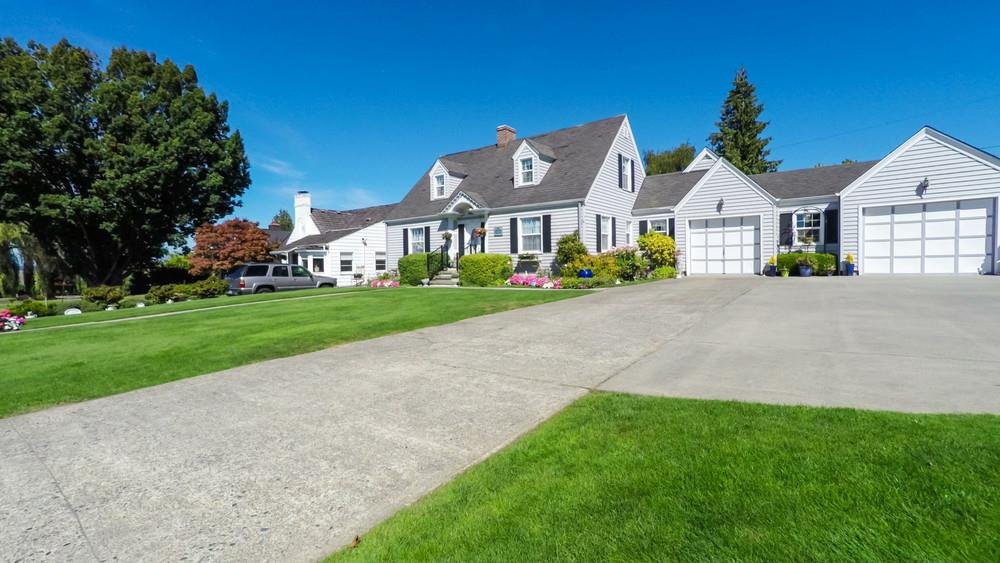
Buying a home often comes with a long list of interior projects, but the yard deserves attention too. Landscaping affects curb appeal, outdoor comfort, maintenance needs, and how welcoming the property feels from the street. For new homeowners, the best approach is to start with practical improvements before making major design changes. A thoughtful plan can help you avoid wasted spending, choose the right priorities, and build an outdoor space that becomes easier to care for over time.
1. Learn What Your Yard Already Needs
Before planting, removing, or redesigning anything, spend time observing the property. Notice where water collects, which areas get the most sunlight, where shade lasts longest, and which plants already seem healthy. These details can help you make smarter landscaping decisions instead of guessing.
It also helps to identify immediate concerns, such as overgrown shrubs, weak grass, drainage problems, damaged edging, or trees growing too close to the home. A new yard does not need to be transformed all at once. Starting with observation allows you to separate urgent maintenance from cosmetic updates.
2. Create a Maintenance Routine Early
A consistent yard maintenance routine can prevent small issues from becoming larger problems. Mowing, trimming, weeding, pruning, seasonal cleanup, and watering all work together to keep the property looking cared for. New homeowners should also learn which tasks are weekly, monthly, seasonal, or only needed occasionally.
According to Statista, 63% of homeowners hire a local landscaping company for ongoing yard maintenance. That shows how common it is for homeowners to bring in help rather than manage every task themselves. Even if you handle some work on your own, professional support can be useful for larger jobs or seasonal care.
3. Focus on Curb Appeal First
The front yard is often the best place to begin because it shapes the first impression of the home. Clean walkways, healthy grass, trimmed shrubs, fresh mulch, and simple plantings can make the property look more polished without requiring a full redesign. Small improvements near the entryway can also make the home feel more inviting.
According to HomeGuide, quality landscaping can raise a home’s value by 10% to 30%. For new homeowners, that makes curb appeal more than a cosmetic concern. A well-maintained landscape can support both everyday enjoyment and long-term property value.
4. Choose Plants That Fit the Property
Plant selection should be based on climate, sunlight, soil conditions, water needs, and available space. A plant that looks attractive at the nursery may become difficult to maintain if it grows too large, needs constant watering, or struggles in your yard’s conditions. Native and well-adapted plants are often easier to care for once established.
According to Amra And Elma LLC, about 62% of landscaping and tree services industry revenue comes from single-family residential homes. That reflects how much landscaping work is tied to everyday residential properties. Choosing the right plants from the beginning can make that kind of maintenance more manageable.
5. Think About Outdoor Function
A good landscape should support how you want to use the yard. Some homeowners want space for relaxing, gardening, pets, outdoor dining, or children’s play areas. Others may prioritize privacy, shade, low maintenance, or clear walking paths. Defining those goals helps guide where plants, hardscaping, lighting, and open lawn areas should go.
Function should also come before decorative extras. For example, drainage, safe walkways, proper grading, and healthy soil are more important than adding new features too quickly. Once the yard works well, decorative updates are easier to plan and maintain.
6. Make Improvements in Phases
Landscaping can become expensive when every idea is tackled at once. A phased plan helps you prioritize the most useful improvements first, then add new features as your budget allows. Start with cleanup, safety, drainage, and basic maintenance before moving into larger upgrades.
Phasing also gives you time to learn how the property changes through the seasons. Sun patterns, wet areas, plant growth, and outdoor habits may look different after several months. Waiting before making major changes can lead to better decisions and a landscape that fits the home more naturally.
New homeowners do not need a perfect yard immediately. The smartest landscaping choices often begin with maintenance, observation, and realistic planning. By improving curb appeal, choosing suitable plants, protecting function, and working in phases, you can create an outdoor space that is easier to manage and more enjoyable year after year.