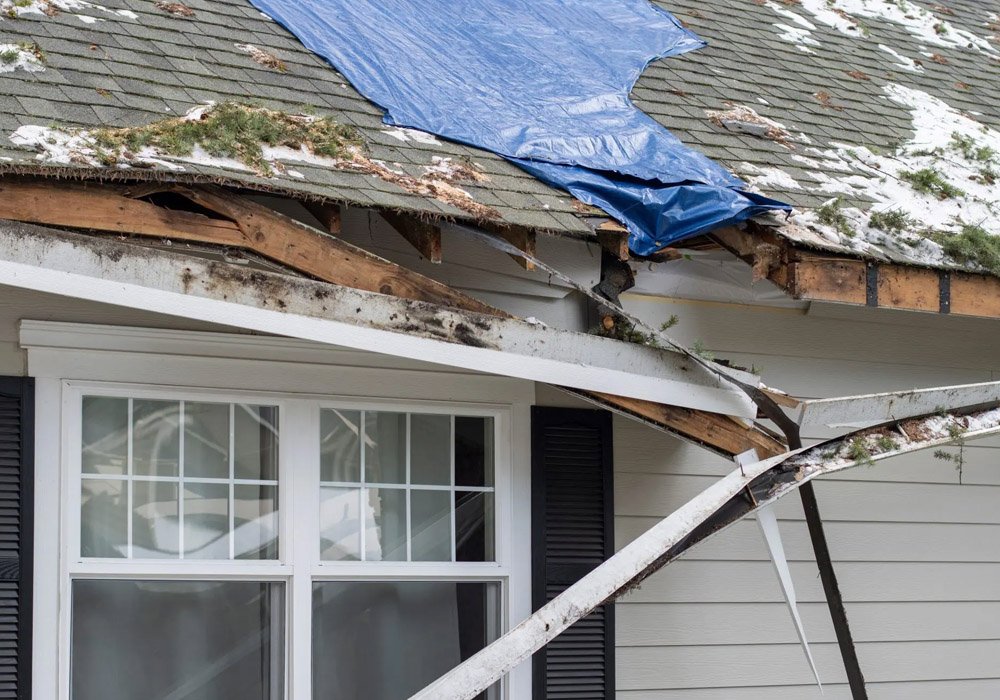
Storms can leave behind more than just fallen branches and scattered debris. Strong winds, heavy rain, hail, and snow can cause significant damage to your home’s roofing system and exterior. While some damage is obvious, other issues may go unnoticed for weeks or even months. Unfortunately, delaying repairs can lead to much larger problems that affect the safety, value, and structural integrity of your property.
Many homeowners underestimate the impact of minor storm damage, assuming that a few missing shingles or a small leak can wait. However, what appears to be a minor issue today can quickly develop into an expensive repair project. Understanding the long-term effects of unrepaired storm damage can help homeowners take prompt action and protect their investment.
Water Intrusion and Roof Leaks
One of the most common consequences of storm damage is water infiltration. Storms can loosen shingles, damage flashing, or create small openings in the roof that allow water to enter the home.
Even a minor leak can have serious consequences over time. Water can seep into insulation, drywall, ceilings, and wooden structures, causing hidden damage throughout the property. Because water often travels before becoming visible, homeowners may not realize the extent of the problem until significant damage has already occurred.
Ignoring roof leaks can result in expensive restoration work that extends far beyond simple roof repairs.
Structural Damage to the Home
When water continues to penetrate the roofing system, it can weaken critical structural components of the home. Wooden roof decking, support beams, and framing materials may begin to rot when exposed to prolonged moisture.
As structural materials deteriorate, they lose their ability to support the weight of the roof effectively. This can lead to:
- Sagging roof sections
- Warped framing
- Ceiling damage
- Compromised structural stability
The longer storm-related damage remains unaddressed, the greater the risk of extensive structural repairs that may require major reconstruction.
Mold and Mildew Growth
Moisture trapped inside walls, attics, and insulation creates the perfect environment for mold and mildew growth.
Mold can begin developing within just a few days after water exposure. Once established, it can spread rapidly throughout the home and become difficult to remove.
Common areas affected by mold include:
- Attics
- Wall cavities
- Ceilings
- Insulation
- Crawl spaces
Beyond property damage, mold can negatively impact indoor air quality and create unpleasant odors. Addressing storm damage quickly helps reduce the risk of moisture-related mold problems.
Increased Energy Costs
A damaged roof often affects a home’s energy efficiency. Storms can compromise insulation, ventilation systems, and roofing materials that help regulate indoor temperatures.
When roofing components are damaged, heated or cooled air can escape more easily. As a result, HVAC systems must work harder to maintain comfortable temperatures.
Homeowners may notice:
- Higher utility bills
- Uneven indoor temperatures
- Increased HVAC wear and tear
Repairing storm damage promptly helps maintain energy efficiency and prevents unnecessary increases in monthly energy expenses.
Deterioration of Roofing Materials
Storm damage rarely improves on its own. Missing shingles, cracked materials, and damaged flashing continue to deteriorate as they are exposed to sunlight, rain, wind, and temperature fluctuations.
What begins as a small damaged area can quickly expand and affect larger portions of the roof. Over time, the roofing system becomes increasingly vulnerable to future storms and weather events.
Timely repairs can significantly extend the lifespan of your roof and reduce the likelihood of premature replacement.
Interior Damage to Walls and Ceilings
One of the most visible consequences of roof damage is interior water damage.
As leaks continue, homeowners may begin noticing:
- Water stains on ceilings
- Bubbling paint
- Peeling wallpaper
- Warped drywall
- Ceiling discoloration
These cosmetic issues often indicate more extensive damage occurring behind walls and above ceilings. Repair costs can escalate quickly when moisture affects multiple areas of the home.
Early intervention helps prevent widespread interior damage and preserves the appearance of your living spaces.
Damage to Personal Belongings
Unrepaired storm damage doesn’t only affect the structure of the home. Water intrusion can also damage valuable personal belongings.
Items commonly affected include:
- Furniture
- Electronics
- Clothing
- Family heirlooms
- Important documents
Replacing damaged possessions can be costly and emotionally difficult, especially when sentimental items are involved. Addressing roofing issues promptly helps protect the contents of your home from water-related damage.
Reduced Property Value
A home with visible storm damage is often less attractive to potential buyers. Signs of roof problems can raise concerns about the overall condition of the property and lead to lower offers.
During home inspections, unresolved storm damage may reveal:
- Active leaks
- Structural concerns
- Mold issues
- Roofing deficiencies
These findings can delay sales or require significant repairs before closing. Maintaining a well-repaired roof helps preserve property value and improves marketability when it’s time to sell.
Increased Risk During Future Storms
A roof weakened by previous storm damage is more vulnerable when the next storm arrives.
Damaged shingles, loose flashing, and compromised decking create weak points that can fail under additional stress. What might have been a manageable repair after the first storm can become a major emergency after a second weather event.
By addressing damage immediately, homeowners strengthen their roofing system and improve its ability to withstand future storms.
Insurance Claim Challenges
Many homeowners rely on insurance coverage to help pay for storm-related repairs. However, delaying repairs can sometimes complicate future claims.
Insurance providers may determine that additional damage resulted from neglect rather than the original storm event. This could limit coverage or create disputes regarding responsibility for repairs.
Documenting storm damage and arranging repairs promptly can help support insurance claims and reduce complications later.
Higher Repair Costs Over Time
Perhaps the most significant long-term consequence of unrepaired storm damage is the increase in repair costs.
Small roofing issues are often relatively affordable to fix when addressed quickly. However, as water intrusion, structural deterioration, and material degradation continue, repair expenses can grow substantially.
A minor repair today may prevent:
- Major roof replacement
- Mold remediation
- Structural reconstruction
- Interior restoration
- Insulation replacement
Taking action early is almost always more cost-effective than waiting until extensive damage occurs.
Protecting Your Home After a Storm
After severe weather, homeowners should inspect their property for signs of damage and schedule a professional roof assessment when necessary. Prompt action helps identify hidden issues before they worsen.
Professional Residential Storm Damage Roof Repair in Grand Rapids, MI services can help homeowners restore their roofs, prevent further deterioration, and maintain the long-term safety of their property.
Conclusion
Storm damage should never be ignored, even when it appears minor at first glance. Small roofing issues can quickly develop into serious problems that affect your home’s structure, energy efficiency, indoor air quality, and overall value.
By addressing storm damage promptly, homeowners can avoid costly repairs, protect their belongings, and extend the lifespan of their roofing system. Regular inspections and timely maintenance remain the best defense against the long-term effects of storm-related roof damage, ensuring your home stays safe, secure, and protected for years to come.