A commercial roof is one of the most important components of any business property. It protects employees, customers, equipment, inventory, and the overall structure from weather-related damage. When a roof reaches the end of its lifespan or experiences significant deterioration, commercial roof replacement becomes necessary. However, replacing a commercial roof involves more than simply removing old materials and installing new ones. One of the most critical decisions property owners must make is selecting the right roofing system.
The ideal roofing system can improve energy efficiency, reduce maintenance costs, increase property value, and provide long-term protection. Understanding the available options and the factors that influence roofing performance can help business owners make an informed investment.
Why Choosing the Right Roofing System Matters
Commercial roofing systems are designed to withstand various environmental conditions while protecting valuable assets inside the building. A poor roofing choice can lead to frequent repairs, energy inefficiencies, and premature replacement.
The right roofing system offers several benefits:
- Long-term durability
- Weather resistance
- Lower maintenance requirements
- Improved energy efficiency
- Better protection against leaks
- Increased building value
Because commercial roofing represents a significant investment, careful planning and evaluation are essential before making a final decision.
Factors to Consider Before Selecting a Roofing System
Every commercial building has unique requirements. Before choosing a roofing system, property owners should evaluate several important factors.
Building Design
The structure and design of the building play a major role in determining which roofing system will perform best.
Considerations include:
- Roof slope
- Building size
- Existing roof structure
- Drainage requirements
- Rooftop equipment
Certain roofing materials work better on flat roofs, while others are more suitable for low-slope or steep-slope applications.
Climate and Weather Conditions
Local weather conditions significantly affect roof performance and longevity.
Factors to evaluate include:
- Heavy rainfall
- High winds
- Snow and ice
- Extreme temperatures
- UV exposure
- Hailstorms
Selecting a roofing system designed to handle local weather challenges can improve durability and reduce long-term repair costs.
Budget Considerations
While initial installation costs are important, focusing solely on the lowest price can be a mistake.
Property owners should consider:
- Installation expenses
- Maintenance costs
- Energy savings
- Expected lifespan
- Repair requirements
A roofing system with a higher upfront cost may provide greater long-term value through lower maintenance and extended service life.
Popular Commercial Roofing Systems
Several roofing systems are commonly used in commercial roof replacement projects. Each offers distinct advantages depending on the building’s needs.
TPO Roofing
Thermoplastic Polyolefin (TPO) roofing is one of the most popular choices for commercial properties.
Benefits include:
- Excellent energy efficiency
- UV resistance
- Reflective surface
- Strong seam performance
- Affordable installation costs
TPO roofs help reduce cooling expenses by reflecting sunlight and minimizing heat absorption.
Many businesses choose TPO because it offers a balance between performance and affordability.
EPDM Roofing
Ethylene Propylene Diene Monomer (EPDM) is a durable rubber roofing membrane commonly used on flat commercial roofs.
Advantages include:
- Long lifespan
- Excellent weather resistance
- Flexibility in temperature changes
- Resistance to UV exposure
- Easy maintenance
EPDM performs particularly well in regions with fluctuating temperatures and challenging weather conditions.
PVC Roofing
Polyvinyl Chloride (PVC) roofing is known for its exceptional durability and chemical resistance.
Key benefits include:
- Strong resistance to chemicals and grease
- Superior waterproofing
- Energy-efficient reflective surface
- Excellent seam strength
- Fire resistance
PVC roofing is especially popular for restaurants, manufacturing facilities, and commercial buildings where chemical exposure may occur.
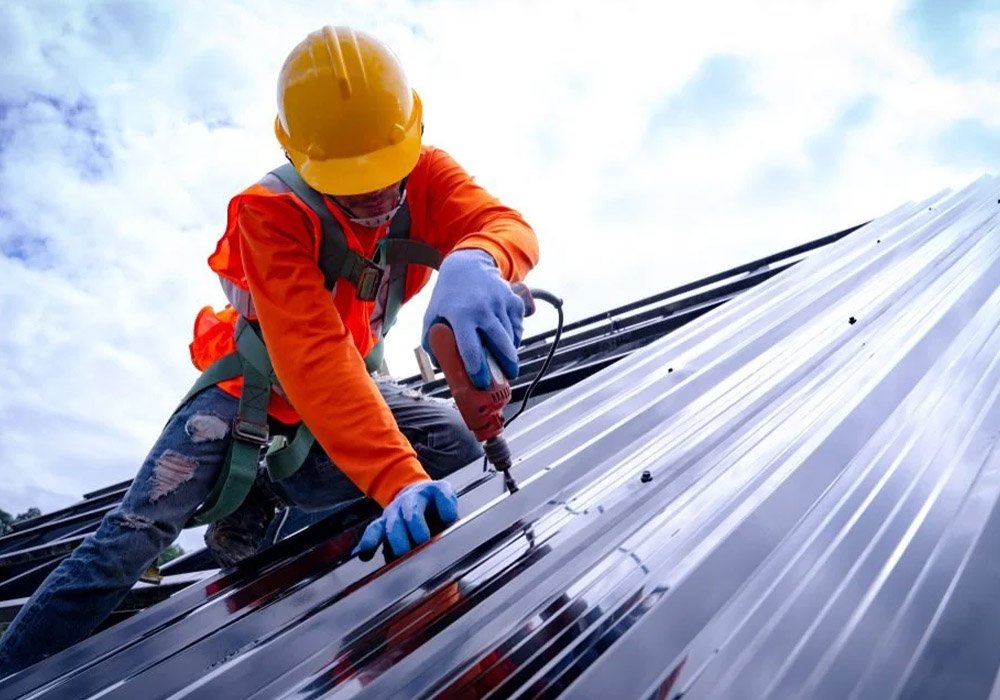
Metal Roofing
Metal roofing systems are increasingly popular for commercial properties due to their longevity and durability.
Benefits include:
- Lifespan of 40 years or more
- High wind resistance
- Fire resistance
- Low maintenance requirements
- Energy efficiency
Metal roofing can be an excellent choice for businesses seeking a long-term roofing solution with minimal maintenance needs.
Modified Bitumen Roofing
Modified bitumen roofing combines traditional asphalt roofing with modern performance enhancements.
Advantages include:
- Strong waterproofing capabilities
- Multiple installation options
- Good durability
- Resistance to foot traffic
- Reliable performance on flat roofs
This roofing system is often used on buildings that require regular rooftop access for maintenance or equipment servicing.
Energy Efficiency Considerations
Energy efficiency is becoming increasingly important for commercial property owners.
Reflective roofing systems can help:
- Lower cooling costs
- Improve indoor comfort
- Reduce HVAC workload
- Support sustainability initiatives
Cool roofing materials such as TPO, PVC, and certain metal roofing systems reflect sunlight and reduce heat absorption.
Over time, energy savings can significantly offset installation costs.
Maintenance Requirements
Different roofing systems require varying levels of maintenance.
When evaluating options, consider:
- Inspection frequency
- Repair complexity
- Cleaning requirements
- Expected maintenance costs
A roofing system that requires minimal maintenance may provide substantial savings over its lifespan.
Regular inspections remain important regardless of the material selected.
Lifespan Expectations
Roof longevity should play a major role in the decision-making process.
Average lifespans include:
- TPO Roofing: 20–30 years
- EPDM Roofing: 20–35 years
- PVC Roofing: 20–30 years
- Modified Bitumen: 20–25 years
- Metal Roofing: 40–70 years
Choosing a roofing system with a lifespan aligned with your long-term property goals can maximize return on investment.
Work with an Experienced Roofing Contractor
Selecting the right roofing system is only part of a successful commercial roof replacement project. Proper installation is equally important.
An experienced commercial roofing contractor can:
- Evaluate building requirements
- Recommend suitable materials
- Ensure code compliance
- Provide accurate cost estimates
- Deliver quality workmanship
Professional guidance helps property owners avoid costly mistakes and ensures the roofing system performs as intended.
Conclusion
Choosing the best roofing system for commercial roof replacement requires careful consideration of building design, climate conditions, budget, energy efficiency goals, maintenance requirements, and long-term performance expectations.
Whether you select TPO, EPDM, PVC, metal roofing, or modified bitumen, the right system can provide decades of reliable protection while improving building efficiency and reducing operational costs. By working with experienced roofing professionals and evaluating all available options, business owners can make a confident investment that supports the long-term success of their property.
A well-chosen commercial roofing system not only protects your building but also contributes to the overall value, safety, and efficiency of your business for years to come.