The roofing industry is no longer what it used to be. Gone are the days when roofing work was limited to basic shingles, tar, and guesswork repairs. Today, advanced materials, digital tools, and innovative installation methods are reshaping how roofs are built, inspected, and maintained. For homeowners and property managers, this shift means better durability, improved energy efficiency, and smarter long-term investment decisions.
Modern roofing is not just about covering a building it’s about performance, sustainability, and precision. And at the center of this transformation are professionals adapting quickly to new tools and techniques that improve both speed and quality of work.
The Evolution of Roofing Technology
Over the past two decades, roofing technology has advanced significantly. Materials are now designed to last longer, resist harsher weather, and provide better insulation. Traditional asphalt shingles still exist, but they now come with improved coatings and UV resistance that extend their lifespan.
Metal roofing systems have also evolved, offering lightweight durability and reflective coatings that help reduce heat absorption. In addition, synthetic roofing materials now mimic natural options like slate and wood but with better strength and lower maintenance requirements.
These improvements mean that modern roofs are more resilient and energy-efficient than ever before.
Smart Roofing Systems and Sensors
One of the biggest advancements in the industry is the rise of smart roofing systems. These systems use embedded sensors to detect moisture, temperature changes, and structural weaknesses in real time.
Instead of waiting for visible leaks or damage, property owners can now receive alerts when something is wrong. This proactive approach helps prevent costly repairs and extends the lifespan of roofing systems.
Smart technology is especially valuable for large commercial buildings, but residential properties are also beginning to benefit from these innovations.
Drone Inspections and Digital Mapping
Roof inspections used to require manual climbing and physical checks, which could be time-consuming and sometimes risky. Today, drones equipped with high-resolution cameras allow contractors to inspect roofs quickly and safely.
These drones capture detailed images and videos, making it easier to identify cracks, missing shingles, drainage issues, and structural damage. Digital mapping tools then convert this data into accurate reports and 3D models.
This technology improves accuracy, reduces inspection time, and enhances safety for workers.
Energy-Efficient Roofing Materials
Energy efficiency has become a major focus in modern roofing. Reflective coatings, cool roofing materials, and improved insulation systems help regulate indoor temperatures and reduce energy consumption.
Cool roofs, for example, reflect more sunlight and absorb less heat, which lowers cooling costs during hot seasons. Green roofing systems, which incorporate vegetation, also help regulate temperature while improving air quality.
These advancements not only reduce utility bills but also support environmentally friendly building practices.
Improved Installation Techniques
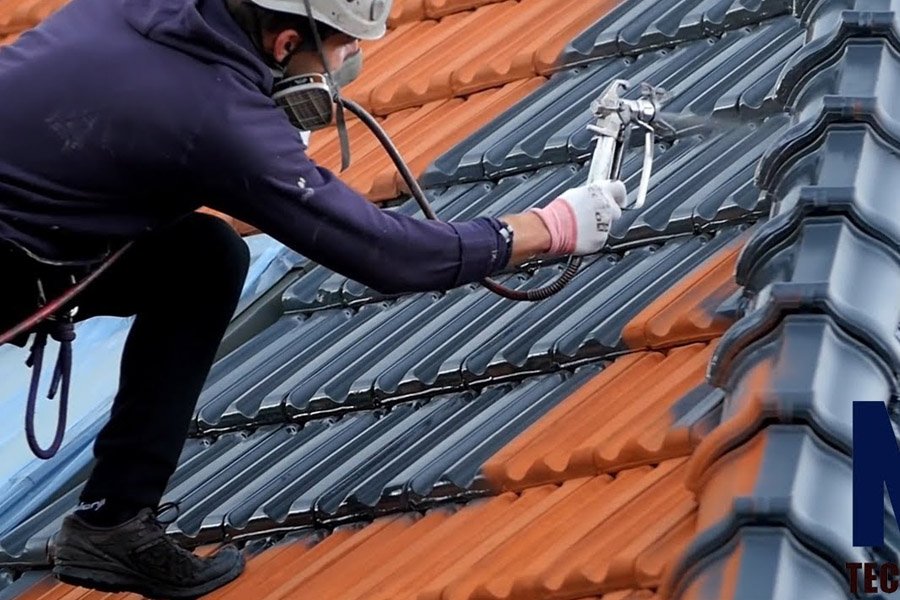
Installation methods have also become more precise and efficient. Modern tools allow contractors to measure, cut, and install roofing materials with greater accuracy than ever before.
Prefabricated roofing components are increasingly used to speed up installation while maintaining consistency. Adhesive-based systems and improved fastening techniques also reduce the risk of leaks and structural failure.
These improvements help ensure that roofs last longer and perform better under extreme conditions.
The Role of Data and Software in Roofing
Software tools now play a major role in roofing projects. Contractors use digital estimation software to calculate materials, labor costs, and project timelines with higher accuracy.
Customer relationship management (CRM) systems help track projects, manage communication, and schedule maintenance more efficiently. In addition, cloud-based platforms allow teams to store inspection reports, photos, and project documentation in one place.
This data-driven approach improves transparency and helps clients make more informed decisions about repairs and upgrades.
Advanced Leak Detection Technology
Detecting roof leaks used to rely heavily on visible signs such as water stains or mold growth. Now, advanced leak detection systems use infrared imaging and thermal scanning to locate moisture trapped beneath roofing layers.
This technology allows professionals to identify hidden issues before they cause significant damage. Early detection reduces repair costs and prevents long-term structural problems.
How Roofing Contractors Are Adapting
Modern technology has changed the expectations placed on professionals in the field. Today’s Roofing Contractors must be skilled not only in traditional roofing methods but also in digital tools, safety systems, and modern installation techniques.
Training and certification programs now include education on new materials, equipment, and inspection technologies. Contractors who adapt to these advancements can offer higher-quality services and more efficient project delivery.
As a result, customers benefit from improved accuracy, faster completion times, and better long-term roof performance.
Roof Replacement in the Modern Era
When a roofing system reaches the end of its lifespan, technology plays an important role in the roof replacement process. Modern assessment tools help determine whether a full replacement is necessary or if repairs can extend the roof’s life.
Advanced materials used in today’s replacements are designed for longevity, weather resistance, and energy efficiency. From synthetic shingles to reflective metal panels, homeowners now have more options than ever before.
A well-planned roof replacement project not only improves structural integrity but also enhances property value and curb appeal.
Sustainability in Modern Roofing
Sustainability has become a driving force in roofing innovation. Many manufacturers now produce recyclable materials and environmentally friendly roofing systems.
Solar-integrated roofing is also gaining popularity, allowing buildings to generate renewable energy directly from their rooftops. This reduces reliance on traditional energy sources and lowers long-term operating costs.
Green roofing solutions, including vegetation-covered systems, help reduce urban heat effects and improve stormwater management.
Benefits for Homeowners and Businesses
The integration of modern technology into roofing provides several benefits:
- Longer-lasting roofing systems
- Reduced maintenance costs
- Improved energy efficiency
- Better leak detection and prevention
- Faster and safer inspections
- Increased property value
These advantages make modern roofing solutions a smart investment for both residential and commercial properties.
Conclusion
The roofing industry continues to evolve at a rapid pace, driven by innovation, sustainability, and technology. From smart sensors and drone inspections to energy-efficient materials and advanced installation techniques, the way roofs are built and maintained has fundamentally changed.
As expectations rise, modern Roofing Contractors are adapting to meet new standards of quality, efficiency, and precision. Whether it’s a new installation or a full roof replacement, today’s roofing solutions offer more durability and intelligence than ever before.
For property owners, staying informed about these advancements ensures better decisions, longer-lasting roofs, and stronger protection for years to come.