Clear vision plays a crucial role in how we experience the world, from reading and working to driving and enjoying daily life. As vision correction options continue to evolve, many people are exploring advanced contact lens solutions while also seeking to understand common eye conditions. Two topics that often raise curiosity are contact lenses you can sleep in and the underlying short sightedness causes that lead people to need vision correction in the first place.
Understanding both can help you make smarter choices about eye health and long-term comfort.
Understanding Short Sightedness (Myopia)
Short sightedness, also known as myopia, is a common vision condition where distant objects appear blurry while close-up objects remain clear. It affects people of all ages and has become increasingly prevalent worldwide, especially among children and young adults.
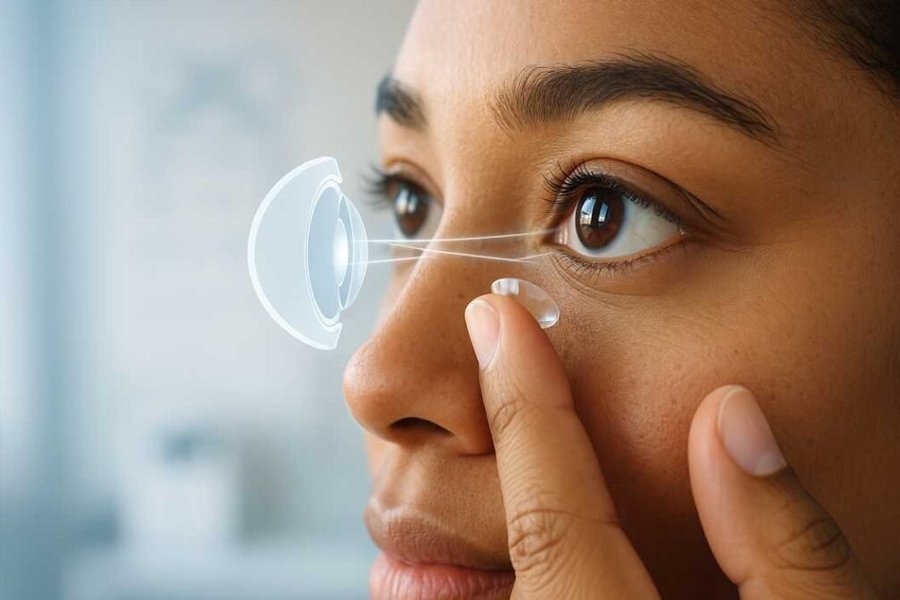
The main short sightedness causes are linked to how the eye grows and focuses light. When the eyeball is slightly longer than normal or the cornea is too curved, light rays focus in front of the retina instead of directly on it. This results in difficulty seeing objects at a distance.
Several factors contribute to the development of myopia:
- Genetics: A family history of short sightedness increases the likelihood of developing it.
- Lifestyle habits: Extended screen time, excessive near work, and limited outdoor activity are associated with higher myopia risk.
- Environmental factors: Reduced exposure to natural daylight during childhood may play a role in eye development.
While short sightedness is not preventable in all cases, early diagnosis and appropriate vision correction can help manage its progression effectively.
Vision Correction Options for Myopia
Eyeglasses and contact lenses are the most common solutions for correcting short sightedness. Contact lenses, in particular, are popular due to their convenience, wider field of vision, and suitability for active lifestyles.
Advancements in lens technology now offer options tailored to different needs, including daily disposables, extended-wear lenses, and lenses designed for specific eye conditions. This has led many people to ask whether there are contact lenses you can sleep in safely.
Contact Lenses You Can Sleep In: What You Should Know
Not all contact lenses are suitable for overnight wear. However, certain lenses are specifically designed and approved for extended or overnight use. These lenses are made with materials that allow higher oxygen flow to the eyes, reducing the risk of dryness and irritation during sleep.
Contact lenses you can sleep in may be prescribed for people with specific lifestyles, work schedules, or medical needs. That said, even these lenses require professional guidance. Sleeping in contact lenses that are not designed for overnight wear can significantly increase the risk of eye infections, corneal inflammation, and discomfort.
Eye care professionals assess factors such as eye health, tear production, and wearing habits before recommending overnight lenses. Regular check-ups are essential to ensure your eyes remain healthy while using them.
Balancing Comfort, Convenience, and Eye Health
While overnight contact lenses may offer convenience, they are not a substitute for good eye care habits. Regardless of lens type, proper hygiene, adherence to replacement schedules, and regular eye exams are essential.
Similarly, understanding the short sightedness causes behind your vision condition helps you make informed decisions about treatment and lifestyle changes. Simple habits like taking screen breaks, spending more time outdoors, and maintaining proper lighting during near work can support overall eye health.
Conclusion
Modern vision correction offers more choices than ever before, but clarity comes from knowledge as much as technology. Knowing whether contact lenses you can sleep in are right for you requires professional advice, while understanding short sightedness causes empowers you to care for your eyes more proactively.
By combining the right corrective options with healthy visual habits and regular eye check-ups, you can protect your vision today and for years to come-ensuring comfort, confidence, and clear sight in every moment of life.