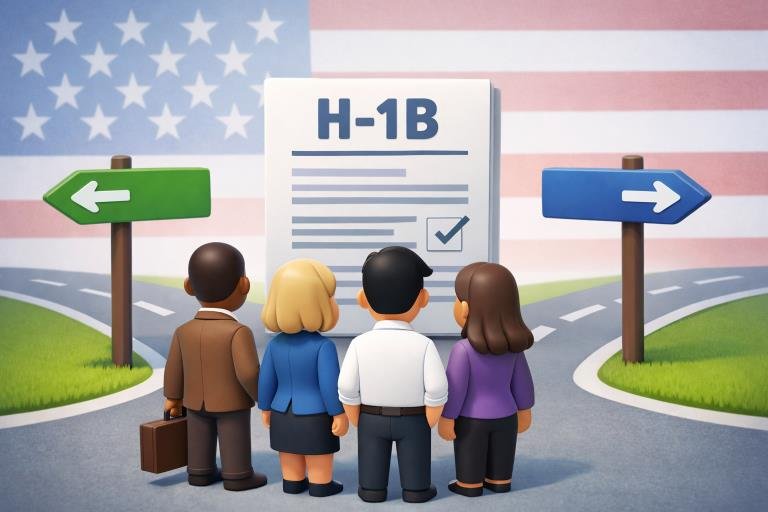
The landscape for U.S. work visas, especially for specialized occupations, is shifting at a rapid pace. Changes implemented at both the federal and state levels now demand that employers and foreign professionals pay closer attention to how they pursue and manage the H-1B visa process. These developments are transforming hiring strategies, affecting the global talent pool, and having a far-reaching impact on America’s broader economic growth and innovation capacity.
Over the past year, new requirements for visa fees, application selections, and increased scrutiny have created fresh challenges for companies and skilled foreign workers. At the same time, state-specific policies now introduce an additional layer of complexity and uncertainty for anyone navigating the U.S. immigration system. These changing regulations and their real-world effects deserve careful attention from any business or professional planning to apply for or sponsor work visas in the coming year.
The implications of these sweeping changes stretch far beyond individual visa applicants. They reach deeply into critical sectors like technology, education, and healthcare, affecting how American businesses compete and grow in the international marketplace. Understanding the latest regulatory trends is now crucial for staying compliant, competitive, and prepared for the future.
Introduction of a $100,000 H-1B Visa Fee
In a landmark move, the U.S. administration introduced a proposal in late 2025 to raise the H-1B visa application fee to $100,000 per applicant. This high fee aims to restrict applications to those for high-wage, highly skilled roles, aligning with the administration’s view on prioritizing American jobs and ensuring only the most in-demand expertise secures entry. Proponents believe this approach supports U.S. economic interests by discouraging mass applications and potential misuse of the system. Critics, however, warn that these costs could severely limit access to global talent, especially for startups and smaller companies lacking deep financial resources. The debate around this policy highlights deep divisions across business sectors on the best way to protect domestic employment while encouraging innovation.
Shift from Lottery to Wage-Based Selection
For years, U.S. immigration authorities filled the annual H-1B cap through a random lottery. Beginning in December 2025, that process shifted to a wage-based selection model. Priority is now given to applicants with the highest salaries first, an effort designed to halt the undercutting of U.S. wages and to attract the world’s most desirable talent. While the system is meant to strengthen protections for domestic workers, some technology firms and advocacy groups argue that it puts recent graduates and early-career professionals at a disadvantage. Small businesses that cannot match the compensation offered by tech giants may now face even greater hurdles when competing for foreign talent, raising fears that diversity and workforce flexibility could suffer as a result.
State-Level Initiatives Impacting H-1B Visas
States are increasingly at the forefront of changes to the H-1B visa landscape. In early 2026, Texas imposed a temporary freeze on new H-1B petitions at both state agencies and public universities. Officials justified the move as a way to safeguard jobs for local residents and provide time for broader legislative reforms. Detractors point out that these restrictions have created skills shortages in sectors where foreign talent is often essential, such as STEM education and medical research. These state-level measures add confusion for employers, creating a patchwork of rules that complicate recruitment and onboarding across state lines.
Increased Scrutiny and Enforcement Measures
Federal authorities are stepping up their enforcement of visa regulations across the board, with particular focus on the tech sector. Companies seeking to sponsor foreign workers are now facing more site visits, additional evidence requests, and an uptick in denial rates. Processing times for applications have lengthened, and many businesses must adapt their HR processes to new standards for compliance and recordkeeping. Immigration attorneys and industry consultants recommend meticulously maintaining documentation and staying current on regulatory updates, as unintentional errors can trigger delays or denials that disrupt critical operations. Employers are urged to take a proactive approach, ensuring internal policies are robust enough to withstand heightened scrutiny from authorities.
Impact on the Tech Industry and Innovation
Collectively, these changes have raised significant alarms within America’s technology sector. The combination of higher fees, stricter selection criteria, and a more hostile enforcement environment risks deterring top-tier global talent and pushing companies to consider expanding operations overseas. Tech executives warn that America’s status as a leader in possible fields such as artificial intelligence and innovation could slip if barriers to hiring highly skilled foreigners become insurmountable. These developments might encourage leading firms to relocate highly specialized research projects abroad, undermining U.S. competitiveness in fast-moving global markets.
Conclusion
The U.S. work visa system is undergoing some of its most significant changes in decades, with wide-ranging implications for employers and foreign skilled professionals. The shift to higher fees, new selection rules, and state-level interventions requires businesses and international workers to adopt new strategies and stay current on evolving regulations. Remaining agile, compliant, and informed is more important than ever as America’s role in the global talent marketplace continues to evolve.