You see it every day. A quick glance at a text. A scroll through social media at a red light. A call you think you can manage while steering with one hand. You tell yourself you are in control. You are not. Distracted driving rips away your focus and turns a routine trip into a sudden crisis. One second you check your phone. The next second you cross the center line or miss a child stepping off a curb. No warning. No time to fix it. This blog explains the hidden dangers of distracted driving and phone use. It shows how a few seconds of split attention can cause life changing harm. It also points you to real help, including legal resources such as https://poltlaw.com, so you know what to do if a distracted driver hurts you or someone you love.
Why your brain cannot “multitask” behind the wheel
You may feel sharp and quick. You may handle many things at once at home or at work. Driving is different. Your brain shifts between tasks. It does not run them at the same time. Each shift costs time and clear sight.
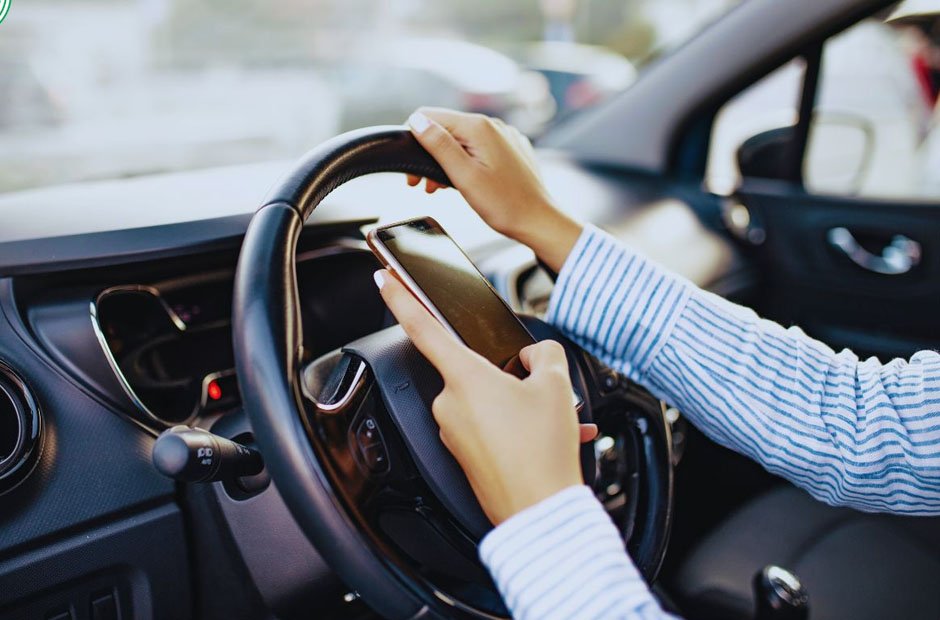
When you read or send a text, your eyes leave the road. Your hands often leave the wheel. Your mind jumps from traffic to the screen. Even a “short” glance steals the only seconds you have to react to a car that stops or a person who steps out.
The National Highway Traffic Safety Administration explains that sending or reading a text at 55 miles per hour can pull your eyes off the road for about 5 seconds. That is like driving the length of a football field with your eyes closed. You can see this warning on their site at https://www.nhtsa.gov/risky-driving/distracted-driving.
Three types of distraction that raise your crash risk
Phone use in the car combines three kinds of distraction. Each one raises risk. Together they create a trap.
- Eyes off the road. You look at the screen, not traffic.
- Hands off the wheel. You hold the phone or reach for it.
- Mind off driving. You think about the message or call, not the car in front of you.
Even “hands free” calls keep your mind away from driving. You may not see a red light or a person in a crosswalk. Your body sits in the driver’s seat. Your mind sits in the phone call.
Hard numbers that show the cost
Crash numbers show the human cost of distraction. They are not just statistics. Each number is a person. A family. A life broken in one instant.
The Centers for Disease Control and Prevention share clear data on distraction and crashes at https://www.cdc.gov/transportationsafety/distracted_driving. To help you see the risk, compare these common choices.
| Driving behavior | What happens in 5 seconds at 55 mph | Crash risk compared with focused driving
|
| Eyes on road, both hands on wheel | You travel about 100 yards while scanning for danger. | Baseline risk. You can brake or steer if something changes. |
| Reading a text on your phone | You travel that same 100 yards while looking at a screen. | Risk of a crash is several times higher. You may not react at all. |
| Typing and sending a text | Your eyes, hands, and mind all leave driving. | Highest risk. You can rear end a car or hit a person without braking. |
| Talking on a handheld phone | One hand holds the phone. Your focus sits in the call. | Risk rises. You may drift from your lane or miss brake lights. |
| Talking on a hands free system | Your hands stay on the wheel. Your mind still splits. | Risk still rises. You may not notice sudden hazards. |
Common myths that put you and your family in danger
Three common beliefs keep people tied to their phones in the car. Each one is false.
- “I only text at red lights.” You still watch the screen when the light turns green. Cars move before you notice. Drivers behind you try to rush through the light. This raises rear end crashes. It also keeps your mind on the phone when you start to move.
- “I use speech to text so I am safe.” Your eyes still check the screen to see if the phone heard you right. Your mind still sits in the message. The risk stays high.
- “I am an experienced driver. I can handle it.” Crashes happen fast. Skill does not change the time your brain needs to notice and react. No one can beat that limit.
How distracted driving harms children and teens
Young people watch adults. If you use your phone while driving, a child or teen learns that habit. Then that child grows up and repeats it with friends in the car.
Teens already face high crash rates. When they add texting or social media, the risk jumps. Many teen passengers feel scared when a driver uses a phone. Yet they stay silent because they do not want to upset the driver.
You can protect your child by setting three clear rules.
- No phone use while you drive. Not at lights. Not in slow traffic.
- Phones stay in the glove box or back seat when teens drive.
- Any passenger may speak up if a driver picks up a phone.
Three simple habits that cut your risk today
You cannot control other drivers. You can control your own choices. These three habits cut your risk and give your family a clear model.
- Put the phone out of reach. Place it in the trunk, glove box, or back seat before you start the car. Out of sight means less pull to check it.
- Use “Do Not Disturb” while driving. Most phones have a setting that silences alerts when the car moves. Turn it on. Tell people you do this so they know you will answer later.
- Pull over in a safe place. If you must take a call or send a message, move off the road. Park in a safe spot. Then handle the phone.
What to do after a crash with a distracted driver
If a distracted driver hits you, your first duty is your health. Call 911. Get medical care even if you feel fine. Some injuries show up hours later.
Next, call law enforcement. Tell the officer if you saw the other driver with a phone. Ask how to get a copy of the crash report. Take photos of the scene if you can. Collect names and contact details of any witnesses.
Then speak with a trusted legal resource such as https://poltlaw.com. You may face medical bills, lost work, and long pain. You do not have to face that alone.
Your choice every time you start the car
Every drive gives you a choice. You can place the phone out of reach. You can stay present for the road, for the people you carry, and for the people around you. Or you can let a screen steal your focus and your future.
Choose to protect your life and the lives around you. Put the phone away. Keep both hands on the wheel. Keep your mind on driving from the moment you shift into gear until you park.