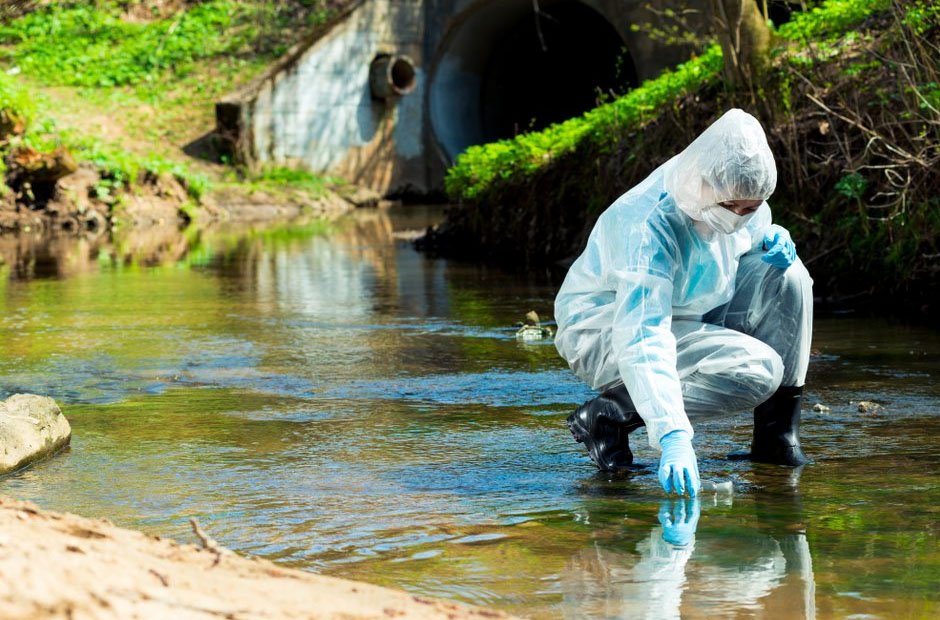
Toxic chemicals in water, soil, and air can quietly injure your body and your home. You may feel sick, scared, and unsure who is responsible. You might worry about your children, your property value, and your medical bills. Under Wisconsin law, you have rights when pollution harms you. You can seek money for medical care, lost wages, and damage to your home. You can also push polluters to clean up the mess. This blog explains how contamination claims work, what proof you need, and how to act before time limits run out. It also explains how Wisconsin environmental claims attorneys can protect your interests when companies or insurers push back. You do not need to face chemical exposure alone. You can learn what steps to take, who to contact, and how to protect your health, family, and property.
Common Sources of Environmental Contamination in Wisconsin
Contamination often comes from routine activity that went wrong. You may never see it until people start getting sick or water tastes different.
In Wisconsin, common sources include:
- Factory discharges into rivers and lakes
- Farms that overuse manure or fertilizer
- Old landfills and dump sites
- Leaking underground fuel tanks
- PFAS “forever chemicals” from foam and coatings
- Lead pipes and lead paint in older homes
You might notice dead fish, odd smells, colored water, or dust on windows. You might also see nothing at all. That is why testing and quick action matter.
How Contamination Can Harm Your Health and Property
Pollution can hurt your body and your home at the same time. The damage can be slow and quiet. It can still be severe.
Possible effects include:
- New breathing trouble or chest tightness
- Unusual rashes or skin burns
- Headaches, nausea, or sudden fatigue
- Changes in your child’s behavior or learning
- Private well water that smells, tastes, or looks different
- Cracked foundations or sinking soil near waste pits
- Lower property value when buyers learn about pollution
You do not need to prove the exact medical cause on your own. You do need to notice changes, seek care, and keep records.
First Steps If You Suspect Contamination
You can protect your family and your rights with clear steps.
Take these actions as soon as possible:
- Get medical care and tell your provider about possible exposure
- Stop using suspected water for drinking or cooking
- Use bottled water for babies and people with weak immune systems
- Take photos and video of water, soil, stains, or dead plants and animals
- Write down dates, smells, colors, and any sudden changes
- Talk with neighbors about similar health or property problems
Next, report what you see. You can contact the Wisconsin Department of Natural Resources at the spill hotline listed on its site. You can also review the DNR contamination resources at https://dnr.wisconsin.gov/topic/Brownfields/contaminants.html.
Your Legal Rights as a Wisconsin Resident
Wisconsin law gives you clear rights when pollution harms you or your property. You may recover money and seek cleanup.
Possible claims include:
- Personal injury for sickness or disease linked to exposure
- Property damage for loss in value and repair costs
- Nuisance for strong odors, noise, or dust that disrupts daily life
- Trespass when chemicals enter your land without consent
You can seek:
- Medical costs and future care
- Lost wages and loss of earning power
- Costs to replace or repair your home or well
- Money for pain, fear, and loss of normal life
Time limits can be short. Some claims must start within a few years from when you knew or should have known about the harm. You protect yourself when you speak up early.
Evidence That Can Support Your Claim
Strong proof can turn a quiet suspicion into a clear case. You can help build that proof.
Useful evidence includes:
- Water test results from a certified lab
- Soil and air testing reports
- Medical records that note exposure concerns
- Property records and recent appraisals
- Photos, video, and written logs
- Letters or emails from companies, landlords, or agencies
- Witness statements from neighbors and coworkers
You can also review health and exposure fact sheets from the Agency for Toxic Substances and Disease Registry at https://www.atsdr.cdc.gov/toxfaqs/index.asp. These resources can help you ask focused questions and understand testing results.
Data Snapshot: Common Wisconsin Contaminant Concerns
This simple table shows examples of common concerns and steps you can take. It does not replace testing or legal advice. It can guide your next move.
| Type of Contamination | Where You Might Find It | Warning Signs | First Protective Steps
|
| PFAS chemicals | Drinking water near airports or factories | Public notices or test results | Use bottled water and request full PFAS testing |
| Nitrates | Private wells near farms | Blue baby symptoms or strong fertilizer odor | Stop using well water for infants and test the well |
| Lead | Older pipes and paint in pre-1986 homes | Peeling paint or brown water after sitting | Use cold flushed water and seek lead testing for children |
| Petroleum and solvents | Near gas stations or old industrial sites | Oil sheen on puddles or fuel odor indoors | Ventilate the space and report the issue at once |
How Legal Support Can Help Your Family
Polluters and insurers often have teams that work to limit what they pay. You do not need to face that alone. Early legal support can:
- Identify all possible sources of contamination
- Protect your claim before time runs out
- Coordinate with experts who understand testing data
- Collect records and witness statements
- Negotiate with companies and insurers
- Prepare your case for court if needed
Strong guidance can help you focus on healing and caring for your family. You can leave the legal pressure to someone who knows Wisconsin law and local practice.
Protecting Your Health and Rights Today
You do not need to wait for a public notice or a headline. If something feels wrong with your water, air, or soil, you can act now.
You can:
- Seek medical care and testing
- Arrange certified water or soil tests
- Report suspected contamination to state agencies
- Document every change in health and property
- Reach out to Wisconsin environmental claims attorneys for a case review
Your health, your home, and your peace of mind matter. Swift action can reduce harm, uncover the truth, and hold polluters to account.