Construction project management is undergoing rapid transformation, driven by the adoption of emerging technologies and evolving industry expectations. As projects become more complex and sustainability standards become more stringent, today’s project managers must adapt to remain relevant. Professionals seeking to optimize their qualifications can now access specialized construction project management online programs, equipping themselves with the tools and skills required for the modern workforce. This article explores the latest developments that are shaping the future of construction project management and highlights new opportunities and essential skills for success.
Remaining proactive about these developments is vital for industry demand and maintaining competitiveness in a global market. Professionals need to understand key areas such as technology, sustainability, workforce adaptation, and project delivery. As companies pursue holistic solutions, project managers have the opportunity to lead innovation and implement change. The rapidly evolving environment introduces new challenges and opportunities, making ongoing education, adopting digital tools, and obtaining advanced certifications essential for construction project managers.
Technological Advancements
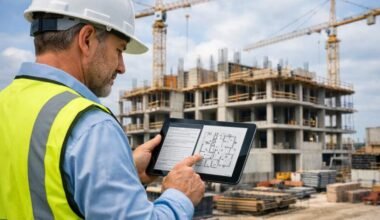
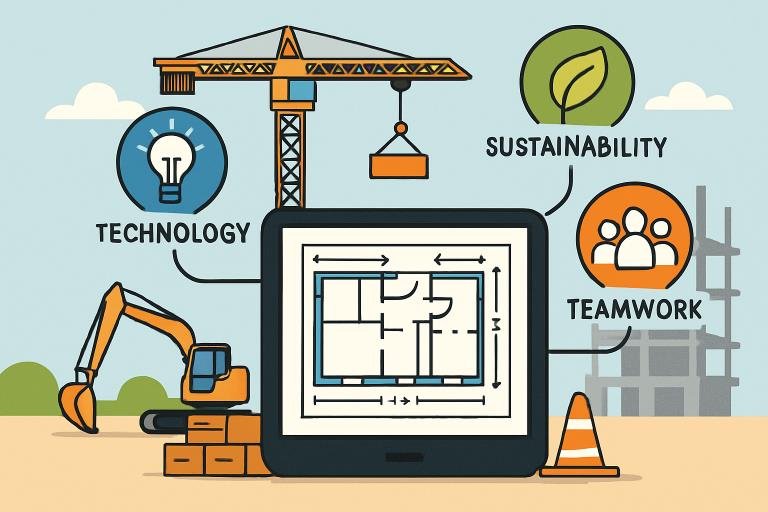
The integration of advanced technology is fundamentally reshaping the landscape of construction project management. Building Information Modeling (BIM) and digital twin technologies are pushing the boundaries of precision and efficiency, transforming how projects are visualized and managed. BIM provides comprehensive digital representations of physical assets, allowing real-time tracking, enhanced collaboration, and better decision-making. Digital twins take this further by offering dynamic, up-to-date simulations of construction sites, which provide managers with actionable insights.
Artificial Intelligence (AI) and Machine Learning (ML) are leveraged to forecast project outcomes, identify risk areas, and optimize schedules. For example, AI-driven software analyzes historical data to predict potential delays or cost overruns, enabling managers to act proactively and mitigate issues before they emerge. These technologies are not only increasing accuracy but also allowing for more strategic resource allocation.
Sustainability and Green Building
As environmental concerns become paramount in the global agenda, sustainable construction practices are no longer optional. The industry is moving toward using energy-efficient materials, renewable resources, and innovative building processes to minimize the environmental footprint. Project managers have a responsibility to ensure that specifications align with green building standards and to adopt tools and techniques that support LEED certification or similar frameworks.
This shift to green building practices does more than meet regulatory requirements. It satisfies the growing market demand for sustainable structures and positions construction firms as leaders in corporate responsibility. Staying well-versed in sustainable practices also enhances future career opportunities for project managers seeking advancement in progressive organizations.
Workforce Challenges and Solutions
The construction industry faces a widening talent gap, with projections estimating a need for 2.5 million additional project managers by 2035. This significant workforce shift requires comprehensive solutions at both the organizational and industry levels. Companies are investing in targeted training and professional development programs to upskill existing employees and attract new talent.
These efforts include incorporating digital literacy, focusing on safety, and establishing mentorship and apprenticeship programs. The rise of construction management degrees and online certifications helps ensure that early-career professionals have access to relevant, up-to-date education tailored to modern project needs. Such forward-thinking strategies are essential for bridging the skills gap and delivering project success.
Enhanced Collaboration Through Digital Tools
Communication and collaboration remain at the core of successful project management. Digital collaboration platforms have revolutionized how teams interact, removing barriers posed by geographic distance and diverse stakeholder groups. Cloud-based project management solutions centralize data, streamline workflows, and provide stakeholders with instant access to project documents and updates.
These tools not only reduce miscommunication but also strengthen accountability. By fostering transparency, they enable all participants to coordinate in real time and resolve issues promptly. Whether it’s integrating with other digital platforms or providing on-site mobile access, these tools are essential for keeping up with the demanding pace of modern construction projects.
Prefabrication and Modular Construction
Prefabrication and modular construction have gained considerable traction as effective methods for expediting project timelines and reducing costs. Components manufactured in controlled environments are transported to job sites for assembly, resulting in faster completion rates, fewer delays due to weather, and lower material waste. These innovative methods are ideal for addressing both budget constraints and tight schedules, as projects can be delivered 30 to 50 percent faster than with traditional on-site construction.
This shift opens significant opportunities for project managers to adopt more agile project delivery models, reduce environmental impact, and enhance quality assurance. Greater emphasis on off-site construction also encourages standardization, improving long-term maintenance efficiency and predictability.
Developing Essential Skills
The evolving construction environment demands a new set of core competencies. First and foremost, project managers must demonstrate proficiency with the latest digital tools, including BIM, AI-enabled solutions, and collaboration platforms. Keeping pace with technological change is paramount to ensuring accuracy, cost-efficiency, and strategic project leadership.
Key Skills for Modern Project Managers:
- Technological Proficiency: Understanding and leveraging new technologies to enhance project execution.
- Sustainability Knowledge: Staying informed on green building standards, certification processes, and emerging regulations.
- Leadership and Communication: Leading cross-functional teams and maintaining effective communication among all internal and external stakeholders.
- Adaptability: Remaining open to new project methodologies and continuously learning in a rapidly evolving industry.
These essential skills allow managers to navigate complexity, drive better outcomes, and position themselves as leaders within their organizations and the industry at large.
Conclusion
The future of construction project management hinges on ongoing innovation, a strong emphasis on sustainability, and the cultivation of future leadership skills. As the industry evolves with emerging technologies and evolving expectations, project managers need to stay proactive in their professional growth and adopt innovative approaches. Enrolling in reputable online construction management programs can help ensure they are prepared for upcoming challenges and opportunities.