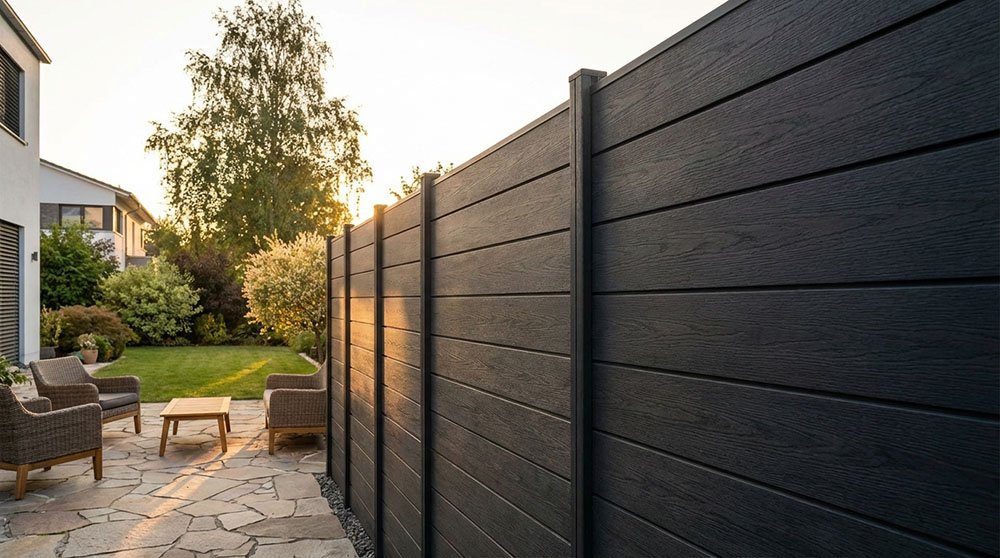
Constant traffic and noisy neighbors can turn your peaceful backyard into a source of stress, but modern sound dampening fences are a great solution for homeowners. These aren’t just your standard wooden pickets; they are highly engineered systems designed to cut down perceived noise by half or even more. By using specialized materials that either bounce sound away or soak it up like a sponge, these barriers create a physical shield between you and the chaotic sounds of the outside world.
Whether you are trying to drown out a nearby highway or just want a quiet space to enjoy your morning coffee, understanding how these fences perform is the key to success. Performance is measured by a Sound Transmission Class (STC) rating, which tells you exactly how much noise the material can block. Choosing a fence with a high rating means that heavy machinery and loud engines fade into the background, finally giving you the tranquil outdoor sanctuary you deserve.
Science Of Reflective Versus Absorptive Barriers
When you are trying to block out the roar of a busy street, understanding how sound behaves is the first step to finding peace and quiet. Reflective barriers are built from dense, heavy materials like solid wood or concrete that act like a wall for sound waves. When noise hits these surfaces, the energy cannot pass through and instead bounces back toward the source. This is a great way to keep your backyard private, but it can sometimes create echoes if the sound has nowhere else to go.
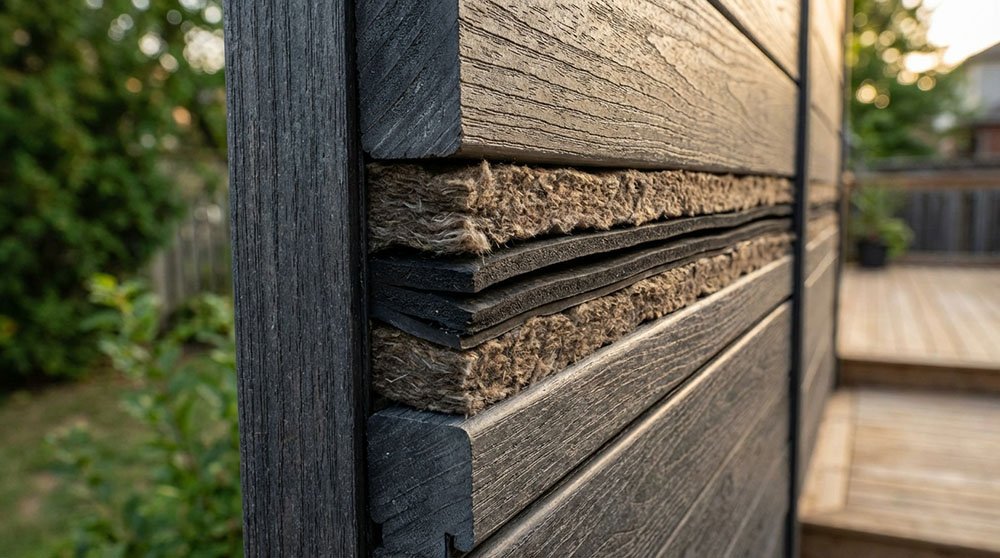
To solve the problem of bouncing noise, many modern designs use absorptive layers to soak up sound like a sponge. These barriers feature porous materials, such as mineral wool or specialized acoustic foam, that trap sound waves and convert them into tiny amounts of heat energy. By using these softer layers, you can prevent echoes from rattling around your outdoor space and significantly lower the overall volume. This method is especially helpful if you live in a tightly packed neighborhood where sound tends to bounce between houses.
The most effective setups often combine both of these scientific principles to create a comprehensive shield for your home. By placing a dense reflective core behind a porous absorptive face, a fence can stop noise from passing through while also preventing it from reflecting back into the yard. For homeowners looking to achieve these professional results, specialized fencing providers offer engineered systems that balance these two technologies perfectly. Investing in a dual-action barrier ensures that your garden remains a calm sanctuary regardless of how loud the world is on the other side.
Decoding The Sound Transmission Class Rating
When you are shopping for a sound dampening fence, the Sound Transmission Class (STC) rating is the most important number you need to know. Think of this STC rating as a grade that tells you exactly how much noise a material can block before it reaches your ears. A higher number means the fence is better at stopping sound from passing through its surface and into your yard. By understanding this scale, you can choose a barrier that is specifically designed to handle the volume of your particular environment.
A fence with an STC rating between 20 and 30 is considered a basic entry level option that provides a small amount of relief from light neighborhood noise. If you are dealing with louder issues like a busy street or a neighbor’s air conditioning unit, you should look for materials rated between 30 and 40. For those living near heavy construction or constant highway traffic, an STC rating of 40 or higher is the gold standard. These high performance barriers can make loud machinery sound like a distant hum, significantly improving your quality of life.
The science behind these ratings involves how well a material can either reflect sound back toward the source or absorb it entirely. Modern acoustic systems often use a combination of dense materials and specialized designs to achieve these impressive results. When you select a fence with the right rating, you are doing more than just putting up a wall; you are creating a peaceful sanctuary. Investing in a high quality barrier ensures that your backyard remains a quiet place where you can relax without the constant interruption of the outside world.
Selecting High Density Acoustic Fencing Materials
When you are looking to block out the roar of a busy street or a noisy neighbor, the density of your fencing material is the most important factor to consider. Traditional heavy timber remains a popular choice because thick, interlocking wooden panels provide enough mass to bounce sound waves back toward their source. To be truly effective, these wooden systems must use a tongue and groove design to ensure there are no gaps for sound to leak through. While standard wood fences might look nice, specialized acoustic timber is significantly thicker and heavier, often weighing over 20 kilograms per square meter to achieve a noticeable drop in decibels.
If you want to upgrade a standard fence without replacing the entire structure, mass-loaded vinyl (MLV) offers a high-tech and flexible solution. This material is engineered to be incredibly dense despite its thin profile, making it a perfect lining for existing barriers to improve their sound transmission class rating. Because MLV is limp and heavy, it does not vibrate like rigid materials, which helps it deaden sound energy rather than letting it pass through the fence. You can easily sandwich this material between layers of wood or composite to create a multi-layered defense that tackles a wide range of noise frequencies.
For those who want the highest level of performance, modern composite systems combine the best of both worlds by using engineered cores designed specifically for sound absorption. These advanced panels often feature a rugged exterior that reflects sound, paired with an internal mineral wool or foam layer that traps and dissipates noise energy. While these systems might require a higher initial investment, they are virtually maintenance-free and provide a consistent barrier that will not warp or shrink over time. Reviewing a vinyl vs wood cost comparison can help you decide which material offers the best long-term value for your specific budget and noise reduction needs. Choosing a high-density composite ensures your backyard stays peaceful for years to come while adding a sleek and modern look to your property.
Strategic Placement For Maximum Noise Shadow
To get the most out of your acoustic barrier, you need to understand the concept of the noise shadow. Think of sound waves like a flashlight beam where the fence acts as a physical shield blocking that light. For the best results, you should place the fence as close to the noise source as possible, or alternatively, very close to the area you are trying to protect. This positioning ensures the shadow cast by the barrier covers your entire patio or backyard rather than letting sound leak over the top. If the fence is too far from both the noise and the listener, the sound waves can easily bend over the edge and reach your ears.
Height is just as critical as location when you are trying to create a peaceful outdoor environment. A low fence might look nice, but it will often fail to break the line of sight between your ears and the source of the sound. As a general rule, if you can see the tires of the passing cars or the neighbor’s loud air conditioning unit, the sound waves have a direct path to you. Raising the height of the barrier forces those waves to travel a longer distance upward, which naturally weakens the energy of the noise. Professional fencing services offer the structural integrity needed to support these taller, heavier panels safely.
Gaps are the ultimate enemy of a quiet backyard because sound acts much like water finding a leak. Even a small space beneath the fence or a tiny crack between panels can let in a surprising amount of noise, effectively ruining the performance of a high STC rated material. You should ensure the fence makes flush contact with the ground and that all joints are tightly sealed or overlapped. By eliminating these weak points, you create a continuous shield that forces sound to either be absorbed or reflected away. Taking the time to properly seal the perimeter ensures that your investment in acoustic technology actually delivers the silence you expect.
Reclaim Your Peace with a Sound Dampening Fence
Investing in a high quality sound dampening fence is about more than just adding a physical barrier to your property. It is about reclaiming your peace of mind and creating a sanctuary where you can actually hear yourself think. By choosing materials with high Sound Transmission Class ratings, you can significantly reduce the intrusive roar of traffic or the hum of nearby machinery. These engineered systems do the heavy lifting by reflecting and absorbing sound waves simultaneously. When you take the time to install a professional acoustic solution, you are making a long term commitment to your family’s comfort and well being.
Achieving true backyard tranquility requires a blend of the right technology and expert installation to ensure there are no gaps for noise to leak through. While basic wooden fences might offer a sense of privacy, they rarely provide the density needed to block modern urban noise pollution. Professional acoustic experts help homeowners make these technical choices by providing specialized materials designed for maximum sound attenuation. Their expertise ensures that your investment results in a noticeable difference in volume, often cutting perceived noise by half or even more. When planning your perimeter, choosing between sliding and swing gates can also impact how well you seal off your property from external noise. Taking this step transforms an ordinary outdoor area into a quiet retreat that you can enjoy for years to come.
About Our Business
All County Fence and Gate, Inc. is a licensed contractor specializing in the installation of custom wood, wrought iron, vinyl, and chain link fencing alongside automated electric gate systems throughout the greater Los Angeles area. Beyond perimeter security, the company provides comprehensive outdoor living solutions including hardscaping, pool remodeling, and the construction of decks, patios, and retaining walls. They distinguish themselves by offering an integrated approach to property enhancement that blends specialized gate automation with full-scale landscape and driveway construction.
All County Fence and Gate, Inc.
18375 Ventura Blvd #453, Tarzana, CA 91356
Phone: (818) 720-3316
Website: https://allcountyfenceandgate.com