Key Takeaways
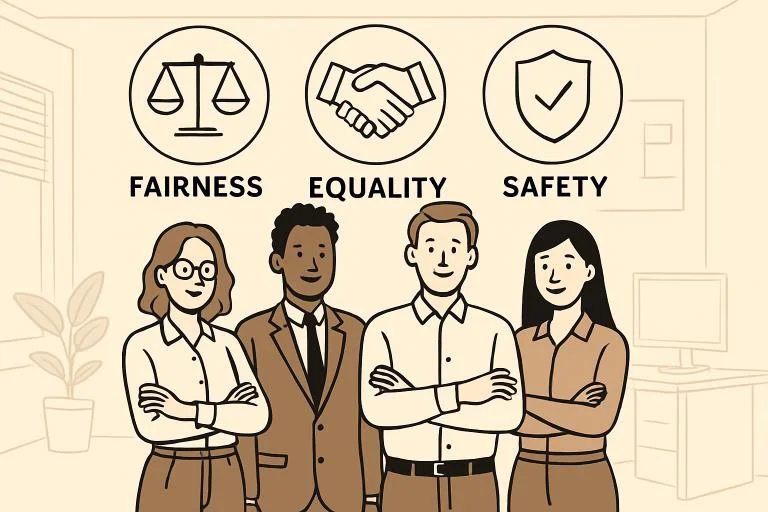
- Workplace rights guarantee fairness, safety, and equality across job roles and industries.
- Recent legislative reforms are introducing stronger protections for workers in dynamic, modern industries.
- Technological change brings both opportunities and new challenges to the enforcement of workplace rights.
In today’s rapidly evolving job market, understanding workplace rights is more crucial than ever. Employees and businesses must be aware of governing laws and practices that ensure fair, productive, and respectful work environments. For workers in specific locations, connecting with a local employment law attorney Colorado Springs can provide invaluable guidance on staying protected and informed about changing legislation and obligations. Workplace rights aren’t just legal technicalities; they set the standard for equality, security, and opportunity at every level of employment. Awareness of these rights helps maintain balance between corporate objectives and the dignity of individual employees, ensuring relationships founded on mutual trust and respect. As we examine the evolution of these rights, it’s clear that they play a pivotal role in shaping the future of employment worldwide.
The Importance of Workplace Rights
At its core, workplace rights safeguard employees from exploitation and establish standards for significant and just workplaces. These rights encompass fundamental aspects such as fair compensation, non-discrimination, safe working conditions, and access to redress in the event of harassment or wrongful termination. A robust set of workplace rights is linked to higher job satisfaction, lower turnover rates, and increased productivity, as highlighted by studies from organizations such as SHRM.
Strong workplace rights are not just important for individual workers—they benefit businesses and society by fostering inclusiveness, reducing conflict, and supporting innovation through diversity. Laws that uphold these standards help organizations attract top talent and project essential factors in ethics and responsibility.
Recent Legislative Changes
The legal landscape of workplace rights is constantly evolving to keep pace with emerging challenges. The Employment Rights Act 2025 in the United Kingdom represents a major step toward adapting job protections for the current era. The act targets precarious contracts and introduces a Fair Work Agency, emphasizing a shift toward more robust oversight and support for vulnerable workers. Many countries are enacting or amending similar laws to ensure protection extends to new forms of labor, such as gig and platform work, reflecting a growing consensus that traditional laws must be updated to stay relevant. As employers navigate these evolving regulations, proactive compliance is crucial. Staying ahead not only ensures legal protection but also signals commitment to equitable practices and social responsibility, crucial factors in employee retention and corporate reputation.
The Impact of Technology on Workplace Rights
Artificial intelligence and automation have transformed traditional work environments, introducing efficiencies and new opportunities—but also raising unprecedented concerns. AI-driven systems can unintentionally perpetuate biases or threaten privacy through unchecked surveillance and decision-making. Regulatory bodies and advocacy organizations are urging employers to establish fair practices in monitoring and record-keeping for AI tools, as noted by the New York Times. Ensuring that technology does not undermine workplace rights requires transparent usage protocols, ongoing oversight, and worker representation in decisions regarding AI adoption. Tech solutions should augment, not erode, workplace fairness.
The Right to Disconnect
The rise of remote work and digital communication has erased the boundary between office and home for many. Recognizing the impact on employee well-being, countries such as Australia have enacted “right to disconnect” legislation, enabling workers to ignore after-hours work communications without fear of retaliation. This legal right aims to safeguard mental health, prevent burnout, and promote a healthier balance between personal and professional life. For more information, please visit the Fair Work Ombudsman website. In an era where always-on connectivity is the norm, the right to disconnect is gaining traction as a necessary counterbalance, showing that workplace rights must keep up with technological and cultural change.
Worker-Driven Social Responsibility
Empowerment of workers isn’t only the domain of lawmakers—grassroots movements and third-party initiatives also play vital roles. The Worker-Driven Social Responsibility (WSR) model puts employees at the center, ensuring their voices are prioritized in developing and enforcing workplace standards. Programs such as the Fair Food Program provide grievance procedures and direct input to those whose rights are most at risk, demonstrating the effectiveness of collective advocacy in improving conditions and holding employers accountable. The WSR approach is a crucial supplement to governmental protections, offering swift remedies and promoting ethical practices across industries where traditional regulation may fall short. More about creative approaches to social responsibility can be found at the Brookings Institution.
The Future of Workplace Rights
Trends in global labor markets indicate that workplace rights will continue to evolve. Anticipated directions include stronger non-discrimination policies, reinforced privacy rights in the context of new technologies, and even wider adoption of the right to disconnect. Stakeholders—employees, employers, and policymakers—must remain agile, informed, and committed to fairness as the definition of work and the workplace continues to evolve. A forward-thinking approach not only ensures legal compliance but sustains a trusted, vibrant workforce that will be prepared for whatever challenges and opportunities the future of work brings. In conclusion, workplace rights are both a shield and a foundation in the modern employment landscape. Their ongoing development is crucial for creating workplaces characterized by respect, opportunity, and shared success.