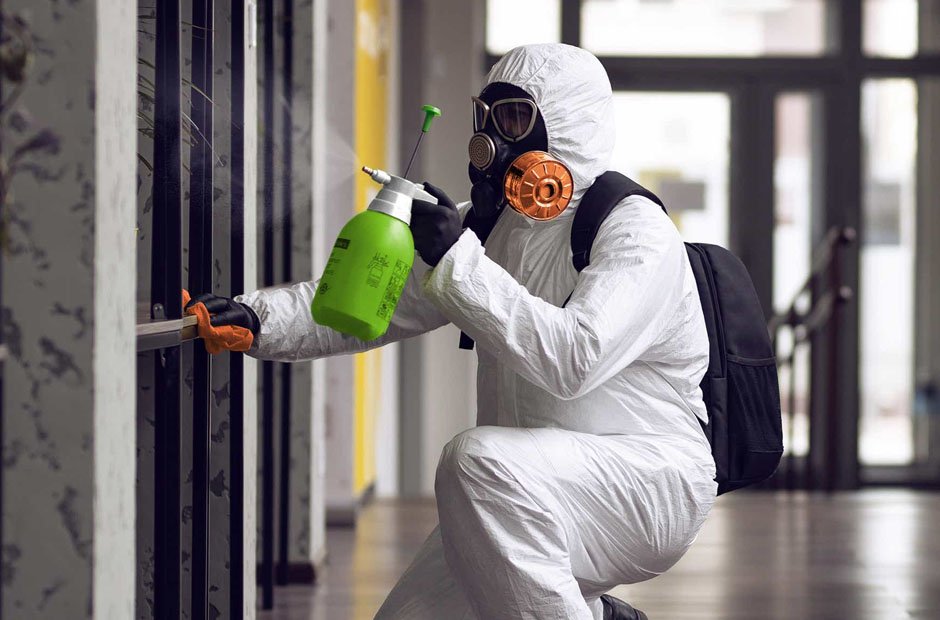
Business owners often only notice indoor damage when it starts affecting day-to-day operations or customer experience, which by then is already late. That is why arranging a mould removal service (referred to as บริการกำจัดเชื้อรา in Thai) becomes part of protecting your space, not just fixing a surface problem that happens to be visible.
The sections that follow look at how this connects to practical decisions inside real business environments.
Protection against health risks to staff and visitors
You may notice the first signs during a normal work day, more coughing in meeting rooms or staff complaining about headaches after long hours indoors. Spores in the air can irritate breathing and make enclosed offices feel heavy, especially in poorly ventilated areas.
For customer-facing spaces, the experience matters. If clients feel uncomfortable or detect a musty smell, trust shifts quickly. Over time, poor cleaning can cost your business through increased staff sick days, lower morale, and awkward conversations with visitors who simply wanted a clean, professional environment.
Prevention of structural deterioration and asset loss
Building damage does not always announce itself clearly. Sometimes it starts as small stains on ceiling boards or soft spots near walls that get ignored during busy periods. Underneath, the material may already be breaking down.
This becomes a concern for workplace safety, especially in storage zones, corridors, or equipment areas where weakened surfaces can fail. Office fixtures, partitions, and even stock shelving can suffer. Repairs then become more disruptive and expensive. Timely professional treatment helps preserve building materials before silent damage spreads.
Control of cross-contamination through HVAC systems
Air moves constantly inside commercial properties, even when no one notices. Ventilation systems don’t just regulate room temperatures, they also carry particles across departments and floors through connected ducts.
Once contamination gets into the heating, ventilation, and air conditioning (HVAC) system, it tends to travel. One spot may seem fixed, then another shows signs a few days later, which can feel like chasing shadows. Proper containment and better control of airflow help slow that spread so it does not keep jumping from space to space.
Compliance with hygiene, safety, and property standards
Inspections do not always focus only on visible surfaces. Many assessors look at air quality, moisture conditions, and maintenance history. Even minor growth can raise questions during audits in food service, healthcare, or shared commercial buildings.
Some managers notice this pressure most during licence renewals or insurance reviews. Delays can disrupt reopening plans or expansion schedules. Keeping your site treated and properly documented supports smoother inspections and reduces the chance of sudden operational setbacks linked to hygiene or property compliance.
Reduction of recurrence by addressing moisture sources
A surface may look clean after treatment, yet the same patches return weeks later. That usually points to hidden moisture inside walls or beneath floors. Leaks, condensation, or lingering dampness continue feeding the problem.
This often happens after flooding or slow pipe damage that went unnoticed. Structural drying and humidity control address what you cannot see easily. Over time, this lowers the risk of repeated disruptions and costly call-backs, helping businesses regain stability without constant worry about recurring indoor issues.
Get in touch with Belfor today to explore your options on disaster recovery services necessary to bring back your business as soon as possible.