Key Takeaways:
- Open communication helps children understand and manage the impact of divorce.
- Consistency and routine foster a sense of stability during family transitions.
- Reassuring children of ongoing parental love provides security and comfort.
- Shielding children from conflict protects their emotional health.
- Seeking professional guidance can support families as they navigate the challenges of adjustment.
Understanding Children’s Emotional Responses
Divorce significantly impacts children, eliciting emotions like confusion, sadness, anger, and guilt. Parents must engage in early, honest conversations to help children process family changes. Creating a supportive environment encourages children to express their feelings, reducing emotional distress. Parents should provide age-appropriate explanations and monitor behavioral changes for signs that indicate a need for reassurance. Emotional responses vary by age; younger children may become clingy while older kids may withdraw. Open dialogue helps parents identify these shifts and validate their children’s feelings, reinforcing that all emotions are normal.
Effective Communication Strategies
Effective communication during a divorce is vital for protecting children’s emotional health. Parents need to reassure their children that the situation is not their fault and that they will continue to be loved by both adults. It is essential to refrain from discussing adult conflicts and financial issues in the presence of children. Consulting with divorce lawyers can help address sensitive topics and establish appropriate boundaries. Children should not be used as messengers or mediators, as this can cause emotional harm. Promoting open communication with kids while keeping adult conversations private creates a safe space where children can better cope.
Maintaining Consistency and Routine
One of the most effective ways parents can support children through divorce is by sustaining family routines. Predictable daily activities, such as bedtime stories, regular meal times, and school-related responsibilities, offer familiarity and comfort. Even small routines can have a powerful effect, reinforcing a sense of normalcy despite enormous changes.
Routines help buffer the effects of stress and provide children with a sense of structure. Consistency in both households eases anxiety and grounds children by helping them understand what to expect.
Co-Parenting with Respect
A positive co-parenting relationship depends on parents cooperating, respecting each other, and focusing on their children’s well-being. This cooperation can include coordinating schedules, sharing responsibilities, and maintaining a unified approach to discipline. Participating together in school events or exchanging important information promptly and neutrally helps children see that their parents continue to work as a team for their benefit.
Shielding Children from Conflict
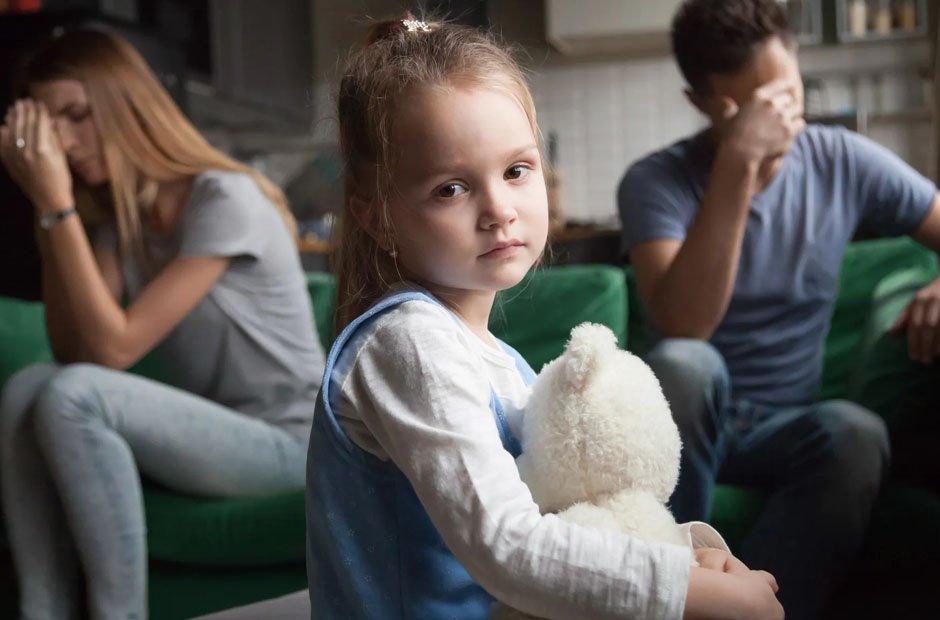
Parental conflict, particularly when observed by children, can have lasting adverse effects on their emotional development. Handling disagreements privately and refraining from negative talk about the other parent in the child’s presence is crucial. Protecting children from adult disputes preserves their psychological safety and allows them space to focus on their own growth and healing.
Encouraging Emotional Expression
Providing opportunities for children to express themselves helps them understand and manage their feelings. Open-ended questions, creative outlets such as art or writing, and physical activities provide avenues for processing emotions. Parents should validate their children’s experiences and remind them it’s okay to feel sad, angry, or confused.
Recognizing When to Seek Extra Help
Sometimes, children benefit from additional support outside the family. If a child is struggling significantly, it may be time to consult a mental health professional, like a family therapist or counselor. Early intervention helps children develop effective coping strategies and prevents the development of long-term emotional issues.
Seeking Professional Support
Professional resources, such as therapists specializing in child and family issues, offer invaluable assistance during and after divorce. These experts can guide both parents and children, helping families navigate new dynamics, resolve conflicts constructively, and foster emotional resilience. Many families also benefit from community organizations or support groups.
Conclusion
Guiding children through a divorce is a journey that requires patience, compassion, and intentional care. By prioritizing open communication, protecting children from conflict, and maintaining steady routines, parents can help their children weather the transition with strength and hope. Professional support and community resources can further empower families to rebuild a sense of security, ensuring children know they are cherished, supported, and never at fault for changes in family life.