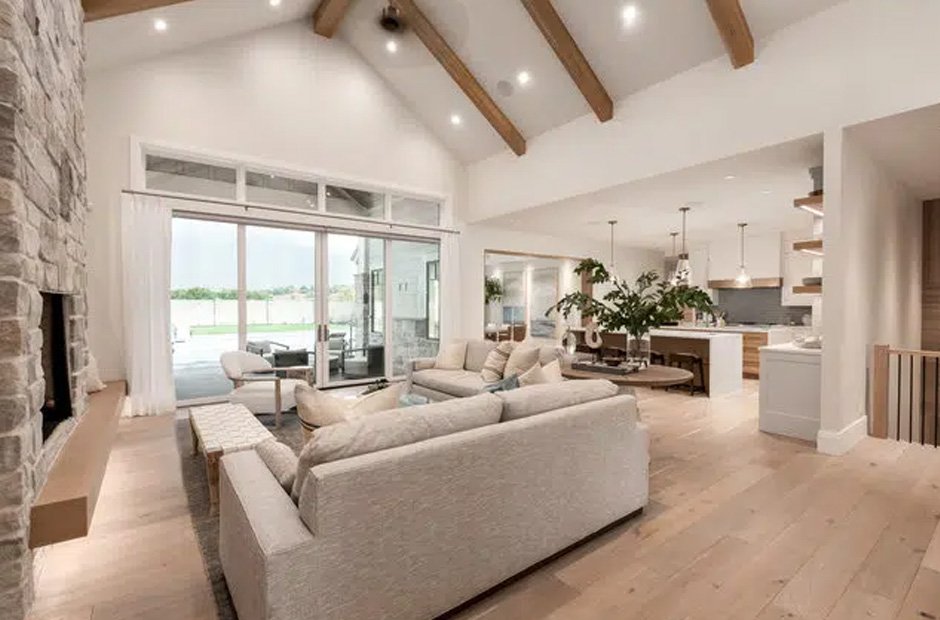
Natural light has a remarkable influence on how we experience indoor spaces. A room that is filled with sunlight often feels open, comfortable, and welcoming, while a darker room can appear smaller and less inviting. Even when two rooms are the same size, the one with more natural light will usually feel larger and cleaner.
Interior designers, architects, and psychologists have long recognized the powerful effect of daylight on human perception. From improving mood to visually expanding a room, natural light plays a central role in shaping how we interact with our homes. Understanding why this happens can help homeowners make simple adjustments that transform their living environment.
The Psychological Impact of Natural Light
Humans naturally respond to sunlight. For thousands of years, our daily routines have been influenced by the cycle of daylight and darkness. Because of this, bright spaces tend to feel safer, healthier, and more comfortable.
When sunlight enters a room, it stimulates the brain and promotes a sense of well-being. Research has shown that natural light can improve mood, increase productivity, and even support better sleep patterns. While these benefits are often discussed in workplace design, they are just as important in residential environments.
A well-lit room also creates a psychological sense of order. When light fills a space evenly, objects become easier to see and identify. Shadows are reduced, colors appear more vibrant, and surfaces look clearer. This clarity makes a room feel more organized and visually clean, even when nothing has physically changed.
In contrast, darker rooms can hide details and create uneven lighting. Corners may appear cluttered or dusty simply because they are difficult to see clearly. Natural light removes this visual ambiguity, helping the entire space feel fresh and open.
Why Bright Rooms Feel Larger
Natural light changes how we perceive the size of a room. When daylight spreads across walls, floors, and ceilings, it reduces visual boundaries and makes surfaces appear to extend farther.
Several design principles contribute to this effect:
1. Reduced Shadow Depth
Strong shadows can visually divide a space into smaller sections. When sunlight fills a room, shadows become softer and less noticeable. This smooth transition between surfaces creates a sense of continuity, which makes the room feel larger.
2. Enhanced Depth Perception
Natural light reflects differently than artificial lighting. Because sunlight contains a broad spectrum of colors, it reveals subtle textures and layers in a room. This added depth makes the space feel more dimensional rather than confined.
3. Visual Connection to the Outdoors
Windows provide a view beyond the interior walls. When natural light enters through a window, the eye is naturally drawn toward the outside environment. This visual extension beyond the room makes the interior space feel more expansive.
Even small windows can create this effect if they are positioned well and allow adequate daylight to enter.
The Relationship Between Light and Cleanliness
Natural light has a strong association with cleanliness in the human mind. Bright environments are often perceived as more hygienic and well maintained. This perception is partly cultural and partly visual.
Sunlight highlights surfaces and reveals true colors, making materials appear fresh and vibrant. White walls look brighter, wood tones look warmer, and fabrics appear clearer. When colors are vivid and evenly illuminated, the entire room feels cleaner.
Light also enhances reflections on smooth surfaces such as glass, tile, or polished furniture. These subtle reflections create a sense of brightness and order that contributes to the overall feeling of cleanliness.
Interestingly, even minimal sunlight can make a noticeable difference. A room that receives morning or afternoon light often feels dramatically different from one that relies entirely on artificial lighting.
Architectural Factors That Influence Natural Light
The amount of daylight inside a home is influenced by several architectural elements. These factors determine how much sunlight enters a room and how effectively it spreads throughout the space.
Window Placement
The direction a window faces can significantly impact the quality of light it provides. South-facing windows typically allow consistent sunlight throughout the day, while east-facing windows capture morning light and west-facing windows bring warm afternoon light.
The height and size of windows also matter. Taller windows allow sunlight to travel deeper into the room, illuminating walls and ceilings as well as floors.
Glass Clarity
The clarity of window glass plays an important role in light transmission. Over time, a thin layer of dust, pollen, pollution, and mineral residue can accumulate on glass surfaces. This buildup slightly diffuses sunlight and reduces the brightness entering the home.
Regular cleaning helps restore the transparency of glass and allows sunlight to pass through more effectively. Some homeowners choose professional assistance, such as Arvada window cleaner services, to ensure exterior glass surfaces remain clear and free of buildup that might limit incoming light.
Interior Reflections
Interior surfaces also influence how light spreads through a room. Light-colored walls reflect daylight more efficiently, helping it reach deeper areas of the space. Matte finishes soften reflections, while glossy surfaces bounce light more directly.
Mirrors are another powerful tool for amplifying natural light. When placed strategically across from windows, mirrors can redirect sunlight to darker parts of the room and create a stronger sense of openness.
Ceiling Height and Layout
High ceilings allow sunlight to travel farther before encountering surfaces that absorb it. Open floor plans also enable light to move between spaces more freely. Walls, partitions, and heavy furniture can block light paths, reducing the brightness in adjacent areas.
Architects often design modern homes with fewer barriers between living spaces in order to maximize daylight distribution.
Simple Ways to Maximize Natural Light
While structural changes can significantly increase daylight, many smaller adjustments can also make a noticeable difference.
Keep windows unobstructed. Large furniture pieces placed directly in front of windows can block sunlight from entering the room. Rearranging furniture may allow light to spread more evenly.
Use lighter color palettes. Walls painted in soft whites, creams, or pastels reflect more sunlight than dark colors. This reflection amplifies the brightness of the room.
Choose light window treatments. Heavy curtains can absorb sunlight even when partially open. Sheer fabrics allow light to pass through while still providing privacy.
Maintain clean glass surfaces. As mentioned earlier, a thin film of dust and residue can gradually reduce the clarity of windows. Periodic cleaning ensures that sunlight can enter the home without obstruction.
Add reflective décor elements. Mirrors, metallic finishes, and glass furniture surfaces can help bounce daylight around the room.
These simple adjustments often create noticeable improvements in how bright and spacious a room feels.
The Emotional Benefits of a Bright Home
Beyond aesthetics and design, natural light contributes to a home’s emotional atmosphere. A bright living space often feels more energetic and uplifting. Families may naturally gravitate toward sunlit rooms for relaxation, conversation, or daily activities.
Sunlight also creates dynamic changes throughout the day. Morning light tends to be soft and energizing, while afternoon light adds warmth and depth. These subtle shifts keep the home environment visually interesting and connected to the rhythm of the outdoors.
Homes that incorporate natural light effectively often feel more welcoming to guests as well. Bright spaces encourage comfort and openness, which can make social gatherings more enjoyable.
Conclusion
Natural light plays a powerful role in shaping how we perceive and experience our homes. Bright rooms tend to feel larger, cleaner, and more inviting because sunlight reduces shadows, enhances colors, and creates visual connections to the outdoors.
Architectural features such as window placement, glass clarity, and interior reflections all influence how effectively daylight enters and spreads throughout a home. Even simple adjustments—like rearranging furniture, choosing lighter colors, or keeping windows clean—can significantly improve the brightness of a space.
By understanding the relationship between natural light and spatial perception, homeowners can create environments that feel open, comfortable, and refreshing. Sometimes the most effective way to transform a room is simply to let more sunlight in.