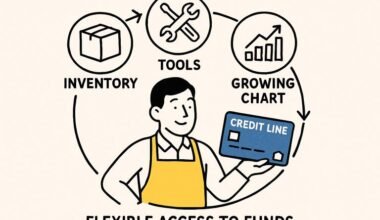
Running a small business is exciting, but it comes with a unique set of challenges. From managing daily operations to planning for growth, entrepreneurs often juggle countless responsibilities. Amid this hustle, one area that’s sometimes overlooked is building a strong safety net. A safety net isn’t just a nice to have, it’s essential for long-term stability, resilience, and peace of mind.
Protecting Against the Unexpected
A small business safety net is all about shielding your company from unforeseen setbacks. These can range from natural disasters, accidents, or theft to sudden economic shifts or lawsuits. Unlike large corporations with deep financial reserves, small businesses often operate on tighter budgets. This makes them more vulnerable to sudden shocks. A single unexpected event can jeopardize months or even years of hard work.
One of the most effective ways to protect your business is through comprehensive insurance. Insurance helps cover financial losses from incidents beyond your control and ensures operations can continue with minimal disruption. For example, if a fire damages your premises or a client files a liability claim, having coverage can prevent these events from becoming existential threats. Proactive protection is critical, which is why many small business owners shop around for insurance policies that give your business protection.
Building a Financial Safety Net
Financial resilience is another crucial component. Maintaining an emergency fund allows businesses to weather lean periods, seasonal fluctuations, or unexpected expenses without relying on high-interest loans. While reinvesting in growth is tempting, having liquid reserves ensures stability during tough times. Experts often recommend setting aside three to six months of operating expenses. This provides breathing room for thoughtful decisions rather than reactive ones.
Enhancing Operational Resilience
Operational preparedness is just as important as financial security. Creating backup plans for key processes, cross-training employees, and leveraging technology can help your business continue running even when disruptions occur. Cloud-based systems, for example, allow access to essential data even if physical locations are compromised. By planning for potential disruptions, small businesses can minimize downtime and continue serving clients reliably.
Supporting Employees and Retention
A strong safety net also fosters employee confidence. Workers feel secure knowing their employer is prepared for unexpected events. This sense of stability boosts morale, reduces turnover, and creates a positive work environment. Employees who trust in the business’s resilience are more likely to focus on productivity and innovation, directly benefiting the company’s bottom line.
Strengthening Credibility with Clients and Investors
Businesses that demonstrate financial prudence and risk management gain credibility with clients and investors. Partners are more likely to collaborate with companies that have insurance, contingency plans, and emergency reserves. These precautions show professionalism and foresight, which can strengthen relationships and open doors to growth opportunities.
The Long-Term Benefits
Success requires more than ambition and hard work. Small business owners must anticipate uncertainties in a competitive, unpredictable environment. A strong safety net, comprising insurance, financial reserves, and operational contingency plans, offers security, stability, and peace of mind. Proactively investing in these protections allows entrepreneurs to navigate challenges without derailing long-term goals.
Safeguarding your assets and future isn’t optional. Every small business, regardless of size or industry, benefits from having a safety net that cushions against risk and promotes resilience. Start building your safety net now to protect your business and secure its future growth.