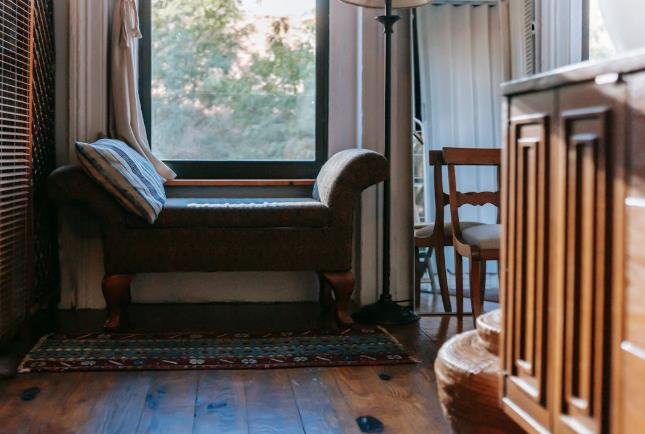
Many homes in Montgomery, Alabama, especially older ones, have corners that feel tricky to use. These tight spots often end up holding random items that don’t belong anywhere else. Some corners stay empty because homeowners feel unsure about what to put there. Others turn into clutter zones that make a room feel smaller than it really is. If you live in a home where one or two corners never seem to serve a purpose, you’re not alone. It’s a common issue for homeowners who want their space to feel organized and comfortable.
Corners can be more useful than they look at first. They can hold seating, shelves, lighting, or small hobby setups. When you plan them well, they support the room instead of working against it. The goal is not to force a big design change. The goal is to find simple ideas that improve your home without adding stress or cost.
The article below walks through practical ways to understand these awkward spaces and turn them into something that fits your daily life.
1. Using Corner Cabinets or Baskets for Extra Storage
Many homeowners need more storage, and corners offer a practical solution. Corner cabinets come in many sizes and fit snugly against the walls. They hold items like linens, board games, or extra kitchen tools. Baskets also help when you want storage without adding furniture. They sit low to the ground and hold items you reach for often.
Before adding storage, decide what you want the corner to support. A living room may need space for blankets. A bathroom may need towel storage. Light items work best so the area stays easy to manage. Some homeowners clear out bulky items first to make room for better organization. They sometimes rely on local Montgomery AL storage units to move these items out of the home before setting up new storage areas.
2. Placing a Cozy Reading Chair or Small Bench
A small chair or bench can turn an unused corner into a helpful seating area. This works well in bedrooms, living rooms, or even wide hallways. The seating should fit the space without blocking movement. A narrow chair, soft cushion, or short bench gives you a spot to sit when you need a quick break.
This idea also helps rooms feel more welcoming. A simple chair with a small side table can support reading or quiet time. Even if you don’t use it every day, the corner looks more intentional and balanced.
3. Creating a Simple Plant Corner
Plants make corners come alive, especially spaces that feel dull or overlooked. Tall plants help fill vertical space, while smaller plants can sit on stands. The goal is to choose plants that work with the amount of light the spot gets. A bright corner can hold leafy plants. A dim corner may need low-light options.
Keep the setup simple. One or two plants often look better than many. If the corner sits near a window, the plants can soften the look of the room. If the corner is darker, you can add a small lamp nearby to help the plants and the space itself look more inviting.
4. Setting Up a Corner Desk for Quick Tasks
A compact desk can turn an awkward corner into a productive spot. You don’t need a full workstation. A small desk or wall-mounted surface works for laptops, mail sorting, or schoolwork. This setup helps busy households by giving people a quiet area without taking over the main room.
When choosing a desk, pick one that matches the size of the corner. Add a small chair that slides in easily. A few storage boxes or a simple organizer keep the area tidy. The goal is to support daily tasks without creating clutter.
5. Building a Small Display Area with Purpose
A corner can work well as a display zone when you choose items with intention. The goal is to highlight pieces that mean something to you instead of filling the space with random décor. A framed photo, a small sculpture, or a single plant stand can shape the corner without making the room feel crowded. This approach works in living rooms, hallways, and even kitchens.
When you plan a display area, think about the height of the items. Tall pieces help lift the eyes and make the corner feel more open. If you use art, place it at a height that feels natural when you walk by. Lighting also matters. A small lamp or a soft spotlight can help the items stand out. Display corners work best when they stay simple and easy to maintain.
6. Creating a Comfortable Pet Zone
Pets often enjoy calm, tucked-away spaces, which makes a corner ideal for them. A small pet bed, cushion, or crate can turn an empty corner into a safe spot. This works well in bedrooms, living rooms, and laundry areas. When planning a pet zone, choose bedding that fits the size of the corner and stays easy to clean.
If you include toy storage, use a small basket or bin that sits low to the ground. Pets feel more comfortable when the area stays uncluttered. Make sure the corner stays free of wires or items that pets may chew. A simple setup keeps the space functional and safe.
7. Designing a Small Hobby Corner
Hobbies don’t need an entire room. A corner can support activities like sewing, writing, puzzles, or drawing. A small table, a lap desk, or a foldable surface gives you a place to work. Simple storage boxes help keep supplies organized so the area stays clean.
To make the hobby corner useful, choose items you reach for often. Store the rest in a nearby closet so the corner stays open. The goal is to support your hobby without letting clutter build up. A tidy hobby space encourages you to use it more.
Awkward corners can become helpful spaces when you match the idea to the layout. Whether you need storage, seating, or a place for hobbies, each corner offers potential. With small updates and clear planning, these overlooked spots can support your daily routine. Simple changes often make the biggest difference, and they help your home feel more organized and comfortable.