If you deal with recurring jaw pain or headaches, you’re definitely not alone. These symptoms often show up during stressful days, early in the morning, or after long hours at your desk. Many people brush them off, assuming they’re caused by tension, dehydration, or poor sleep. While those things can play a role, chronic jaw pain and headaches often come from deeper issues that aren’t immediately obvious. Because the jaw connects to muscles, nerves, and joints throughout your face, head, and neck, even small imbalances can create discomfort that lingers.
The tricky part is that these problems tend to build over time. You may notice a little jaw tightness one week, occasional headaches the next, and before you know it, the pattern becomes part of your daily routine. When discomfort becomes normal, it’s easy to overlook the root cause. Understanding what’s really driving these symptoms can make a big difference in how you feel. The first step is learning why comprehensive evaluation matters, especially when the symptoms keep coming back.
Why Expert Evaluation Matters for Chronic Jaw Pain and Headaches
Because jaw pain and headaches can come from multiple sources, getting the right evaluation early on is essential. Many people try to manage the symptoms with over-the-counter pain relief, neck stretches, or stress reduction, but these solutions often only help temporarily. That’s because the real cause may be linked to the temporomandibular joint (TMJ), the muscles around it, or the way your jaw moves. When these areas aren’t working properly, the tension can spread to your head, face, and even your neck.
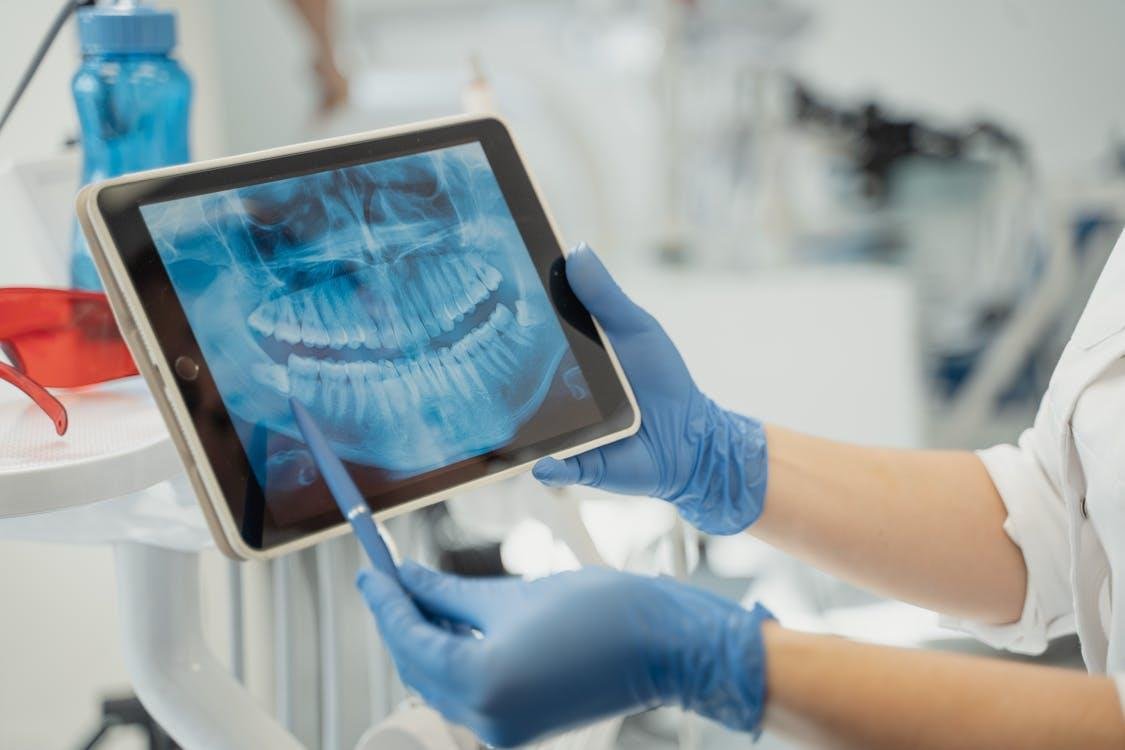
This is why working with specialists who understand jaw function can make such a difference. People experiencing persistent symptoms often seek guidance from professionals, such as a TMJ Expert, who focus on identifying the specific causes of TMJ-related discomfort and providing personalized care to relieve pain and improve function. These specialists use detailed evaluations to look at your bite alignment, muscle activity, jaw movement, and daily habits. By understanding the full picture, they can recommend solutions that address the actual source of your symptoms, not just the surface-level pain.
Having this kind of targeted support helps you feel more in control and gives you a clearer path toward long-term relief.
The Role of TMJ Disorders in Everyday Pain
TMJ disorders are one of the most common but overlooked causes of chronic jaw pain and headaches. Your TMJ helps you talk, chew, yawn, and move your jaw in different directions. When it becomes inflamed, misaligned, or strained, the discomfort often spreads. Many people notice clicking or popping sounds, difficulty opening their mouth fully, or stiffness after waking up. These signs suggest that the joint or surrounding muscles are under stress, and over time, this strain can trigger headaches or facial tension.
How Stress and Muscle Tension Contribute to Chronic Symptoms
Stress is one of the biggest contributors to jaw pain. When you’re stressed, your body naturally tightens muscles—especially around your jaw and neck. This often leads to clenching or grinding, sometimes without you noticing. Long workdays, heavy screen time, and rushed eating habits can make these patterns even worse. When your muscles stay tight for too long, the tension builds and creates pain that spreads across your head and face.
Recognizing these patterns is an important step in breaking them. Learning when you clench your jaw or noticing times when your posture slips can help you take action before the discomfort increases.
The Impact of Bite and Alignment Problems
Sometimes the cause of jaw pain and headaches is structural rather than stress-related. If your teeth don’t fit together comfortably or your bite is uneven, your jaw muscles must work harder to keep things aligned. Over time, this extra effort leads to strain, fatigue, and inflammation. Even small alignment issues can create big discomfort if they force your jaw into unnatural positions throughout the day or while you sleep.
These problems usually develop gradually, which makes them harder to notice. A thorough evaluation can help you understand whether your alignment is contributing to the pain.
How Sleep Habits and Nighttime Behaviors Make Symptoms Worse
Nighttime clenching and grinding are extremely common, especially among people who deal with stress. Because you’re asleep, you might not realize how much pressure your jaw is under. Many people wake up with headaches, jaw stiffness, or facial soreness and don’t connect it to what happened overnight. Poor sleep posture, such as sleeping with your jaw pushed forward or your neck twisted, can make things worse.
Understanding your nighttime habits can help you make adjustments that support better jaw health.
Chronic jaw pain and headaches are often caused by hidden issues involving your TMJ, muscles, alignment, and daily habits. When you understand how these factors work together, you can move toward solutions that provide real relief. Early evaluation, awareness of your habits, and guidance from trained professionals can help you break the cycle of discomfort and improve your quality of life. With the right support, you can take control of your symptoms and feel better day by day.