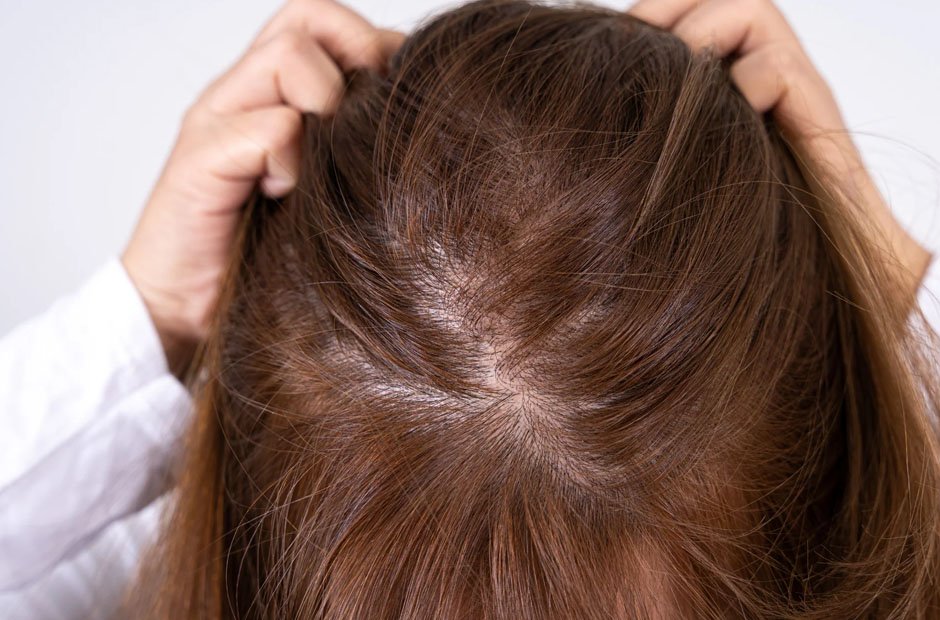
Hair thinning can sneak up on just about anyone, no matter your age or background. The process usually starts so gradually that you might not realize anything’s different until you catch yourself wondering, “Wait, was my hair always like this?” Spotting those early signs lets you do something about it sooner, which feels empowering.
Some of the first clues are extra hairs on your pillow, in your brush, or clogging up the shower drain, along with a part that seems to widen and a hairline that slowly creeps back at the temples. These changes aren’t dramatic overnight shifts, but rather slow, almost sneaky differences you notice over months or years.
You might also see less hair volume when you style it, or find yourself squinting at your scalp under bright lights. Picking up on these hints helps you spot hair thinning before it’s obvious to everyone else—and honestly, who doesn’t want a head start? That’s why many people turn to HappyHead, a dermatologist-developed platform that offers personalized hair growth treatments tailored to your needs, giving you proactive solutions to maintain thicker, healthier hair.
Recognizing the Early Signs of Hair Thinning
Hair thinning tends to start off subtle, so it’s easy to shrug off those little changes. But if you pay attention, you might catch on before things get too far along.
Changes in Hair Texture
The texture of your hair is often the first thing to shift. Maybe your hair feels finer, or it just doesn’t have that bounce anymore. That’s usually because hair follicles are shrinking and sending out thinner strands.
It’s frustrating when your favorite styling products suddenly stop working, but it’s not them—it’s your hair’s needs changing. Hair can also get more brittle or frizzy, so you might notice it doesn’t handle heat tools or dye jobs as well as before. I mean, who hasn’t cursed at a bad hair day?
Increasing Scalp Visibility
If you’re starting to see more of your scalp, especially when your hair’s wet or under harsh lights, that’s a sign. The crown and temples are usual suspects, so take a look in good lighting—maybe with a handheld mirror if you’re feeling brave.
Comparing recent photos to older ones can be a real eye-opener. Sometimes you don’t realize what’s changed until you see it side by side. And if your scalp seems to sunburn more easily, or you feel products on your skin rather than in your hair, those are subtle red flags too.
Noticeable Hair Shedding
Sure, losing 50-100 hairs a day is totally normal. But if you’re cleaning out your brush more often, or the shower drain seems to clog every week, it might be time to pay closer attention.
Some folks even snap photos of their brush or drain now and then—sounds a bit much, but it can help. If you gently pull a small section of hair and more than a few strands come out, or you spot little white bulbs at the end, your hair might be in active shed mode. And that can feel a bit unsettling, honestly.
Widening Part Line
Have you ever looked at your part and thought, “It didn’t used to be this wide, did it?” That’s one of the most obvious signs. Comparing old and new photos can be surprisingly revealing.
Women especially tend to notice this, since their hairstyles often highlight the part. After a shower, when your hair’s flat, it’s even more apparent. Some people start switching up their part or try new styles just to hide it—something I think a lot of us can relate to.
Complete Guide to Hair Loss Treatments in Singapore
When it comes to hair loss treatment Singapore offers a wide range of effective options for early hair thinning. Clinics provide solutions like minoxidil, finasteride, and PRP therapy, while Traditional Chinese Medicine approaches—such as herbal remedies and acupuncture—focus on improving scalp circulation.
Hair transplants have come a long way, too. FUE procedures are common in Singapore and generally look really natural, with minimal downtime. Costs can vary a lot—basic treatments might be a couple hundred dollars per session, while more advanced stuff can run into the thousands, depending on what you need.
Many clinics provide detailed scalp analysis using fancy imaging tools, so you get a clear picture of what’s really going on with your hair. It’s kind of reassuring to have that level of detail, honestly.
Common Causes and Risk Factors for Hair Thinning
Hair thinning can be triggered by a bunch of things, from your family tree to what you eat every day. Figuring out the cause makes it way easier to choose the right treatment—or at least know what you’re up against.
Genetic Predisposition
Sometimes, it’s just in your DNA. Androgenetic alopecia—better known as male or female pattern baldness—often runs in families. Men usually see it start at the hairline or crown, while women notice overall thinning, especially at the part.
Genetics decide when it starts and how it progresses, so if your parents or grandparents had early thinning, you might be next in line. Scientists have found several genes linked to hair loss, mostly affecting how your follicles respond to certain hormones. It’s not exactly fair, but it’s reality for a lot of us.
Hormonal Imbalances
Hormones can really mess with your hair. Dihydrotestosterone (DHT), which comes from testosterone, is a big player in pattern baldness because it shrinks hair follicles over time.
Women go through big hormonal swings during pregnancy, after giving birth, around menopause, and with thyroid issues. It’s common to see extra shedding after childbirth, which can be stressful on top of everything else. Conditions like PCOS can also raise androgen levels, leading to more thinning, especially on the scalp. And when your thyroid’s out of whack, hair can thin all over.
Nutritional Deficiencies
Your diet matters more than you might think. Nutrients like iron, vitamin D, zinc, biotin, and protein all play a part in keeping your hair healthy and strong. If you go on a crash diet or have an eating disorder, your hair might suffer because it’s not getting what it needs.
Even with a good diet, some folks have digestive conditions that make it hard to absorb nutrients, which can lead to thinning hair out of nowhere. It’s frustrating when you’re doing everything “right” and still notice changes, but sometimes it’s just a matter of figuring out what’s missing and making adjustments.
Lifestyle and Environmental Influences
Our daily routines and the spaces we live in really shape the health of our hair. Stress, for example, can send hair into a shedding frenzy—there’s even a name for it: telogen effluvium. Ever notice more hair in the shower after a tough week? You’re not alone.
The way we style our hair plays a part too. Tight ponytails, braids, or buns might look sleek, but they pull at the roots and, over time, can actually damage follicles. Traction alopecia doesn’t happen overnight, but it sneaks up on you if you’re not careful.
Heat styling tools and chemical treatments are another story. Flat irons, curling wands, and constant hair dyeing might give us the look we want for a night out, but with regular use, they break down the hair’s structure. That breakage can start to look a lot like thinning hair, which nobody really wants.
And then there’s the environment. UV rays and pollution are everywhere, and they create free radicals that mess with our hair follicles. Honestly, sometimes it feels like your hair’s up against the world. Using protective styles and antioxidant-rich products can help, but it’s not always easy to stay ahead of it all.
Smoking reduces blood flow to your scalp, while poor sleep can throw off your hair’s natural growth rhythm. If you’re drinking too much or taking certain medications (think blood thinners or acne meds), that can zap the nutrients your hair needs. It’s a lot to juggle, and most of us are just doing our best.