A dependable HVAC system is fundamental to the smooth running of any commercial environment. From offices and retail spaces to large industrial facilities, heating, ventilation, and air conditioning systems are crucial for maintaining indoor comfort, air quality, and day-to-day efficiency. When these systems malfunction, the impact can quickly become expensive and disruptive.
Recognizing the top commercial HVAC system disruptions is key to avoiding unexpected failures. By understanding the common issues and dealing with them at an early stage, businesses can minimize downtime and keep their systems operating reliably for longer.
Lack of Regular Maintenance
One of the most common reasons for HVAC failure is poor or inconsistent maintenance. Commercial systems are complex and operate under heavy demand, making routine servicing essential.
Without regular inspections:
- Filters become clogged, restricting airflow
- Components wear out faster
- Small issues escalate into major faults
Scheduled maintenance ensures that systems run efficiently and helps technicians identify potential problems before they become serious.
Dirty or Blocked Filters
Air filters are often overlooked, yet they are critical to system performance. When filters are clogged with dust and debris, airflow is restricted, forcing the system to work harder than necessary.
This not only reduces efficiency but also increases energy consumption and strain on internal components. Over time, this added pressure can lead to system failure.
Replacing or cleaning filters regularly is a simple yet effective way to prevent one of the most frequent top commercial HVAC system disruptions.
Electrical and Component Failures
Commercial HVAC systems rely on multiple electrical connections and mechanical parts. Over time, these components can degrade due to wear and tear, power fluctuations, or environmental factors.
Common issues include:
- Faulty wiring
- Capacitor failures
- Motor breakdowns
If not addressed promptly, these faults can cause sudden system shutdowns. Routine inspections and timely repairs are essential to keep all components functioning correctly.
Improper Installation
Even the most advanced HVAC system will struggle if it is not installed correctly. Poor installation can lead to uneven airflow, inefficient operation, and frequent breakdowns.
Common installation issues include:
- Incorrect system sizing
- Poor duct design
- Inadequate ventilation
Ensuring that installation is carried out by qualified professionals reduces the risk of long-term problems and improves overall system reliability.
Refrigerant Leaks
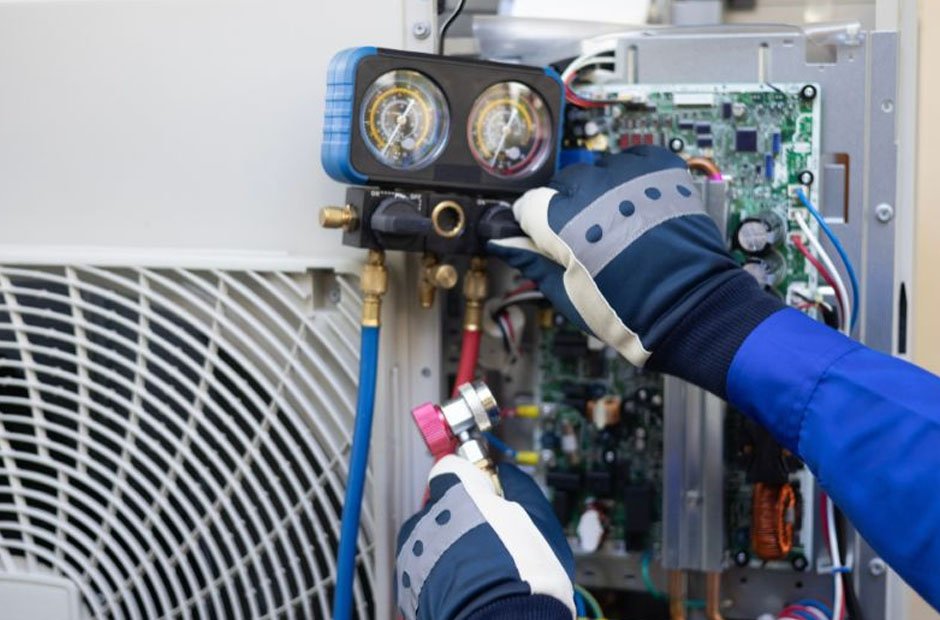
Refrigerant is crucial for cooling performance. When leaks occur, the system loses its ability to regulate temperature effectively. This can result in inconsistent cooling, higher energy bills, and eventual compressor damage.
Signs of refrigerant issues include:
- Reduced cooling efficiency
- Ice formation on coils
- Unusual hissing sounds
Addressing leaks early prevents further damage and ensures the system operates at optimal levels.
Thermostat and Control Issues
Modern HVAC systems depend heavily on thermostats and control systems. When these components malfunction, the entire system can become unresponsive or operate inefficiently.
Problems may include:
- Incorrect temperature readings
- Faulty programming
- Communication errors between components
Regular calibration and updates to control systems help maintain accurate performance and prevent unnecessary strain on the HVAC unit.
How to Prevent HVAC Failures
Preventing breakdowns is far more cost-effective than dealing with emergency repairs. A proactive approach ensures consistent performance and reduces operational disruptions.
Here are some practical steps businesses can take:
- Schedule routine professional maintenance checks
- Replace or clean air filters regularly
- Monitor system performance for unusual changes
- Address minor issues before they escalate
- Ensure proper installation and system sizing
- Keep outdoor units clean and unobstructed
By focusing on these preventative measures, businesses can minimise the risk of unexpected failures and maintain a comfortable indoor environment.
The Importance of Proactive Care
Ignoring early warning signs often leads to more serious and expensive problems. Commercial HVAC systems are long-term investments, and their performance depends on consistent care.
Recognising the top commercial HVAC system disruptions allows facility managers to take timely action and avoid operational downtime. Preventative maintenance not only improves efficiency but also contributes to energy savings and extended equipment life.
Conclusion
Commercial HVAC failures rarely happen without warning. In most cases, they are the result of neglect, wear and tear, or avoidable issues such as poor maintenance or installation errors.
By understanding the root causes and taking a proactive approach, businesses can prevent costly disruptions and ensure their systems run smoothly throughout the year. Investing in regular maintenance and addressing issues early is key to protecting both comfort and productivity in any commercial setting.