Metal preservation is an integral part of maintaining the integrity and longevity of structures and components across multiple industries. Corrosion, the natural process by which metal deteriorates in the presence of environmental elements, poses a significant threat to the durability of metallic assets. Managing this destructive force is essential to safeguarding investments and ensuring functional efficiency. One effective solution that has gained prominence is the application of zinc paint for metal. This article aims to offer a comprehensive guide to understanding and using zinc paint for protecting various metal surfaces.
Understanding Zinc Paint for Metal Protection
At its core, zinc paint is a coating that contains zinc dust, and when applied to metal surfaces, it serves as a sacrificial layer. This means that the zinc will corrode preferentially to the underlying metal, thereby offering a higher degree of protection against rust and wear. The science behind this protective quality lies in the principles of cathodic protection, where zinc acts as a sacrificial anode to the metal’s cathode when in the presence of an electrolyte (such as water).
Benefits of Using Zinc Paint on Metal Surfaces
There are numerous advantages to using zinc paint on metal, which have made it a popular choice for industrial and commercial applications. Among these benefits are its excellent adhesion properties, its ability to protect even in harsh environmental conditions, and its easy application process. Additionally, zinc paint helps to extend the life of metal structures, reducing the need for frequent repairs or replacements.
The Role of Zinc Paint in Corrosion Resistance
Zinc paint not only serves as a physical barrier to moisture and other corrosive elements but also provides galvanic protection. When a metal surface coated with zinc paint is exposed to the elements, the zinc corrodes at a slower rate than it would otherwise corrode the base metal. This process helps to maintain the structural integrity of the metal over a longer period.
Application of Zinc Paint for Diverse Metal Surfaces
The versatility of zinc paint is evident in its suitability for a range of surfaces. It can be applied to steel, iron, and various other alloys to provide a robust defence against degradation. From bridges and vehicles to pipelines and marine structures, zinc paint offers an adaptable solution for protecting assets exposed to varying degrees of stress and environmental impact.
Surface Preparation before Application
For optimal performance of zinc paint, surface preparation is vital. Metal surfaces must be thoroughly cleaned and free from rust, scale, dirt, and grease. This might involve processes such as sandblasting, power-washing, or manual scrubbing. A well-prepared surface ensures that the zinc paint adheres properly, which is necessary for long-term protection.
Application Techniques for Zinc Paint
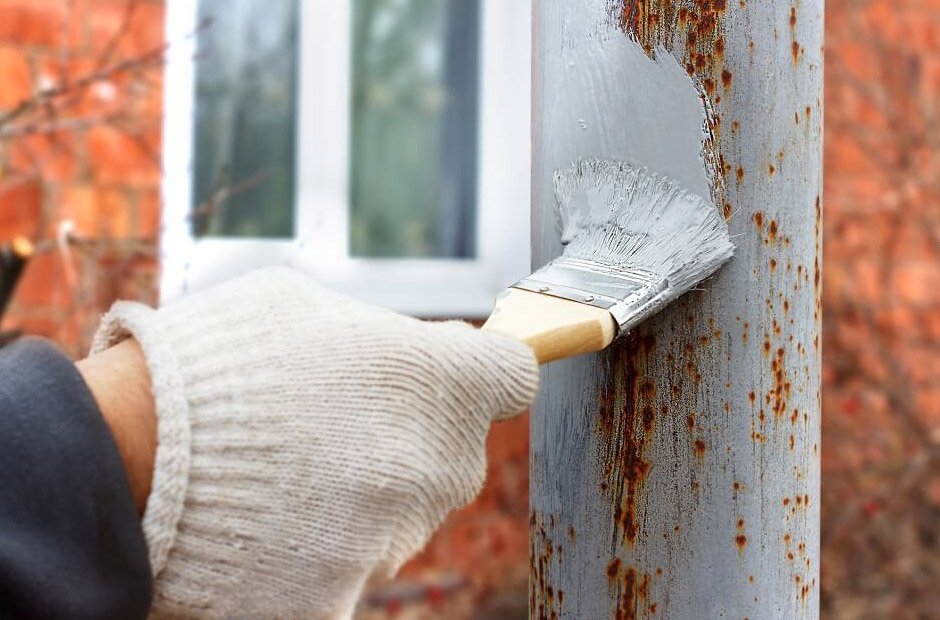
Applying zinc paint can be done through various methods, including brushing, rolling, or spraying. The choice of application technique will depend on the scale of the project, the type of zinc paint being used, and the desired thickness of the coating. It’s essential to follow the manufacturer’s guidelines to achieve the best results.
Maintenance and Inspection of Zinc-Painted Metal Surfaces
While zinc paint provides durable protection, regular maintenance and inspections are crucial to ensure that the integrity of the coating is not compromised. Inspecting zinc-coated surfaces can help identify any areas where the paint may have deteriorated or sustained damage, allowing for timely touch-ups or repairs.
Longevity and Sustainability of Zinc-Coated Metals
One of the compelling aspects of using zinc paint is its contribution to the longevity and sustainability of metal structures. By significantly delaying corrosion, the need for frequent replacements and the associated environmental impacts can be reduced. The zinc itself is also a sustainable choice, as it’s a recyclable material with considerable natural abundance.
Technical Guidance for Applying Zinc Paint
Applying zinc paint requires technical know-how and adherence to specific procedures. It is recommended to consult technical data sheets and speak with professionals who can provide guidance based on the specific requirements of the project at hand.
Conclusion
Zinc paint for metal is a proven and reliable option for those seeking to protect metal surfaces from the ravages of corrosion. With proper preparation, application, and maintenance, it can extend the functional lifespan of various metallic assets while contributing to environmental sustainability. For professionals involved in metal preservation, an investment in zinc-based coatings represents a wise and forward-thinking approach to asset protection and management.
Discovering Zinc Paint Solutions
For more information on zinc paint options and metal protection strategies, exploring a diverse range of solutions and products can be invaluable. Look no further than industry leaders and suppliers who can offer tailored advice, high-quality products, and expertise in the field of metal preservation.
In conclusion, incorporating zinc paint for metal into your metal preservation practices is not just a sound technical decision but a strategic one. By understanding the principles, applications, and benefits of zinc paint, stakeholders can better protect their metal assets and ensure their lasting performance in the face of environmental challenges.