As a steward of your landscape, understanding the intricacies of late summer tree pruning is essential for nurturing the verdant beauty and health of your surroundings. This 770 Arborist guide will take you through the critical techniques and timing of late summer pruning, empowering you to make informed decisions that will shape a healthier, greener landscape.
Understanding the Science Behind Tree Pruning
The Role of Photosynthesis
Tree pruning plays a crucial role in optimizing photosynthesis. By removing excess branches, you allow more sunlight to penetrate the canopy, thus enhancing the tree’s ability to convert light into energy. This increased light exposure supports stronger growth and healthier foliage, leading to a lusher, more vibrant landscape.
Disease Prevention and Control
Pruning also serves as a preventive measure against disease. By trimming away infected or dead branches, you minimize the spread of pathogens and improve air circulation around the tree. This practice reduces moisture buildup, which is essential in preventing fungal diseases, ensuring the longevity and vitality of your trees.
Encouraging Structural Integrity
Effective pruning techniques foster structural integrity in trees. By carefully shaping the tree’s framework, you guide its growth pattern, reducing the risk of storm damage or branch failure. This not only enhances the tree’s aesthetic appeal but also promotes the development of a robust, resilient structure.
Benefits of Late Summer Pruning for Healthier Trees
Enhanced Growth and Structure
Late summer is an ideal time to prune trees, as it encourages healthier growth and improves overall structure. By removing dead or diseased branches, you allow more sunlight to penetrate the canopy, fostering robust development. This seasonal pruning also minimizes the risk of pest infestations and diseases that thrive in dense, unkempt foliage.
Improved Nutrient Allocation
Pruning in late summer helps direct the tree’s energy towards essential areas, enhancing nutrient distribution. By cutting back excess growth, you ensure that the tree can allocate resources more efficiently, leading to stronger branches and a more resilient structure. This balanced energy distribution is crucial for sustaining the tree’s health and vitality year-round.
Aesthetic Appeal
Beyond health benefits, late summer pruning enhances the visual appeal of your landscape. Thoughtful shaping during this period, with the experts such as Tree Service Atlanta GA, helps maintain desired forms and prevents overcrowding, ensuring your trees remain attractive and well-proportioned. This not only beautifies your surroundings but also adds value to your property.
Techniques for Shaping Greener Landscapes
Selective Pruning
Selective pruning is a crucial technique for maintaining tree health and enhancing landscape aesthetics. By carefully cutting away dead or diseased branches, you encourage new growth and allow sunlight to penetrate the canopy. This method not only improves air circulation but also reduces the risk of pest infestations. Precision is key; use sharp, clean tools to make clean cuts just above the branch collar.
Crown Thinning
Crown thinning involves the strategic removal of certain limbs throughout the tree canopy. This technique reduces wind resistance and decreases the likelihood of storm damage. By promoting even distribution of light and air, crown thinning helps in fostering a more vigorous and balanced tree structure.
Shaping with Aesthetic Intent
Beyond health benefits, pruning can shape trees to enhance the visual harmony of your landscape. By considering the tree’s natural growth patterns, you can sculpt them into desired forms, creating a cohesive and appealing garden design. Remember, each cut you make influences the tree’s future form, so approach shaping with careful consideration.
Common Mistakes in Tree Pruning and How to Avoid Them
Over-Pruning
One of the most frequent errors in tree pruning is over-pruning. Excessive removal of branches can weaken the tree, reducing its ability to photosynthesize effectively and making it vulnerable to diseases. To avoid this, follow the “one-third rule”: never remove more than one-third of the tree’s foliage during a single pruning session.
Topping
Topping, or cutting the tree’s top branches indiscriminately, not only distorts the tree’s natural shape but also leads to weak, unstable growth. Instead, use crown reduction techniques, which trim the tree more selectively and maintain its structural integrity.
Ignoring Timing
Pruning at the wrong time of year can harm tree health. Late summer is ideal for many species as it promotes better wound closure and prepares the tree for winter dormancy. Always research the best time for pruning specific tree varieties.
Expert Tips for Successful Late Summer Tree Pruning
Timing is Crucial
Late summer is an optimal time for pruning as it allows you to shape trees while minimizing stress on them. Focus on this period when temperatures are more moderate, as this helps the tree recover more swiftly before the dormant season.
Use the Right Tools
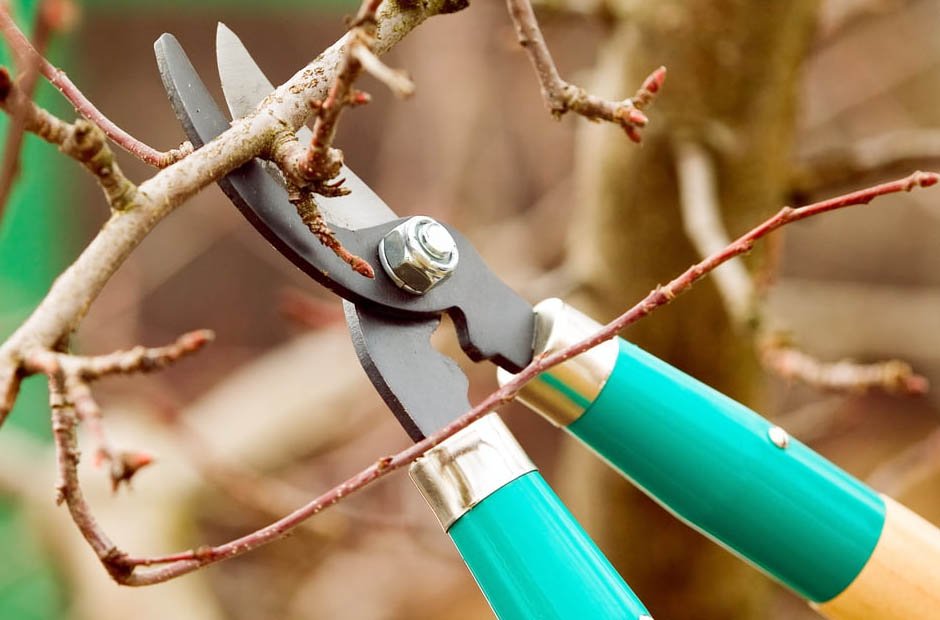
Ensure you have sharp, clean tools. Dull blades can tear bark and create entry points for diseases. Investing in quality tools like bypass pruners and loppers will make cuts smooth and precise, promoting healthier growth.
Know What to Cut
Identify and remove dead, diseased, or crossing branches. This not only enhances the tree’s structure but also improves air circulation, reducing pest and disease risks. Always aim for a balanced shape to maintain the tree’s natural form.
Final Thoughts
As you read in this 770 Arborist guide and embrace the practice of late summer tree pruning, you contribute to the cultivation of healthier, more robust landscapes. This strategic timing not only minimizes stress on trees but also enhances their natural beauty and structural integrity. By aligning your pruning activities with the scientific principles of plant biology, you foster a nurturing environment that supports vibrant growth and resilience against environmental challenges.