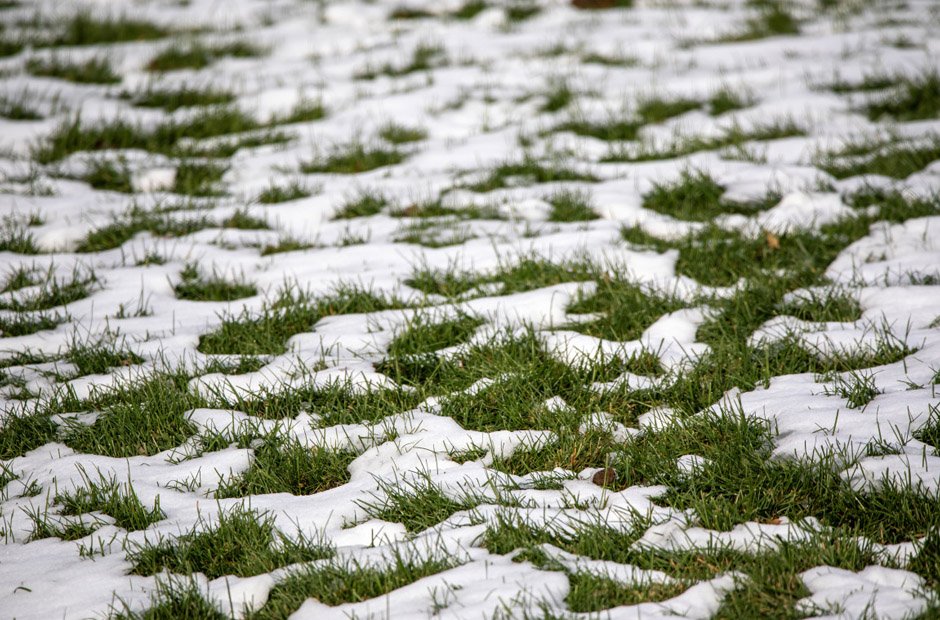
Winter often feels like a quiet season for your lawn. Grass stops growing, outdoor activity slows down, and everything appears dormant. However, beneath that still surface, a range of subtle but damaging processes can take place. By the time spring arrives, many homeowners are surprised to find that their yard is not recovering as expected. What makes this more challenging is that much of the damage caused during winter is not immediately visible.
Understanding these hidden issues is essential for protecting your lawn’s long term health. From salt exposure near driveways to underground rodent activity and soil compaction from repeated foot traffic, winter leaves behind more than just a temporary chill. If left unaddressed, these problems can significantly affect spring growth and weaken your lawn over time.
Salt Damage Near Driveways and Walkways
One of the most overlooked sources of lawn damage during winter is deicing salt. While it is effective for improving safety on icy surfaces, salt can be harmful to nearby grass and soil. As snow melts, dissolved salt flows into adjacent lawn areas, especially along driveways, sidewalks, and roads.
Salt disrupts the natural balance of soil by increasing its salinity. This makes it harder for grass roots to absorb water, even when moisture is available. As a result, affected areas may appear dry, patchy, or discolored in early spring. In severe cases, grass may fail to grow altogether.
The impact of salt damage is often uneven, creating visible streaks or borders along paved surfaces. Because this damage develops gradually and becomes noticeable only after winter, many homeowners misinterpret it as poor soil quality or insufficient watering.
Rodent Tunneling Beneath the Surface
Winter provides ideal conditions for small rodents such as voles and mice to move freely beneath the snow. The snow layer acts as insulation, allowing these animals to create networks of tunnels while feeding on grass roots and stems.
By the time the snow melts, the damage becomes visible as winding trails or soft, uneven patches across the lawn. These tunnels weaken the root system, making it difficult for grass to establish strong growth in spring. In some areas, grass may appear lifted or completely detached from the soil.
Rodent activity can also lead to secondary issues. Loose soil and disrupted roots create an environment where weeds can easily take hold. Additionally, predators digging for these rodents may further disturb the lawn surface, compounding the damage.
Compacted Walk Paths and High Traffic Areas
Another hidden effect of winter is soil compaction caused by repeated foot traffic. When people walk across snow covered lawns, especially along the same paths, the pressure compresses the soil underneath. This is particularly common near entryways, driveways, and frequently used shortcuts.
Compacted soil restricts the flow of air, water, and nutrients to the roots. As a result, grass in these areas struggles to grow once temperatures rise. You may notice thin, weak patches or areas where grass fails to green up alongside the rest of the lawn.
Unlike visible damage such as dead grass, compaction is a structural issue within the soil. It often goes unnoticed until it begins to affect overall lawn performance. Without proper intervention, compacted areas can persist for multiple seasons.
Snow Mold and Moisture Related Issues
Extended periods of snow cover can create damp conditions that encourage fungal growth. Snow mold is one of the most common outcomes, appearing as gray or pink patches on the lawn after the snow melts. While not always severe, it can weaken grass and delay spring recovery.
Excess moisture can also lead to poor drainage and waterlogged soil. This reduces oxygen availability to roots and increases the risk of root rot. In combination with other winter stresses, moisture related issues can significantly slow down the lawn’s ability to bounce back.
How These Issues Affect Spring Growth
The hidden damage caused during winter often reveals itself in early spring through uneven growth patterns. Some areas may green up quickly, while others remain brown, thin, or patchy. This inconsistency is usually a sign of underlying problems rather than seasonal variation.
Grass relies on a healthy root system to absorb nutrients and support new growth. When roots are damaged by salt, rodents, or compacted soil, the plant’s ability to recover is compromised. Even with proper watering and fertilization, affected areas may struggle to regain their strength.
Over time, these weakened sections become more vulnerable to weeds, pests, and disease. What begins as minor winter damage can gradually develop into larger, more persistent lawn issues if not addressed early.
Long Term Impact on Lawn Health
Ignoring winter related damage does not just affect one season. Repeated exposure to these stress factors can lead to a decline in overall lawn quality. Soil structure may deteriorate, nutrient balance can become disrupted, and grass density may decrease.
A thin or weakened lawn is less capable of competing with invasive plants. Weeds often take advantage of open spaces, spreading quickly and further reducing the health of the turf. Additionally, stressed grass is more susceptible to drought and heat during the warmer months.
Maintaining a resilient lawn requires attention to both visible and hidden factors. Addressing winter damage early helps prevent long term complications and supports consistent growth throughout the year.
Identifying and Correcting Hidden Damage Early
Many homeowners rely on visual cues to assess their lawn, but winter damage often requires a closer inspection. Subtle changes in color, texture, or growth patterns can indicate deeper issues that need attention.
Professional lawn care providers are trained to recognize these signs and diagnose the underlying causes. Through soil testing, aeration, and targeted treatments, they can restore balance and improve conditions for healthy growth.
Early intervention is key to minimizing the impact of winter damage. By addressing problems before they spread, it is possible to restore affected areas and prevent further deterioration.
- Lawn care professionals can identify salt affected zones, repair rodent damage, and relieve soil compaction through specialized techniques.
- Timely treatments such as aeration, overseeding, and soil amendments help rebuild a strong foundation for the growing season.
Homeowners who invest in services like full service lawn care Creve Coeur, MO often benefit from a proactive approach. Instead of reacting to visible problems, these services focus on prevention and early correction, ensuring that the lawn remains healthy year round.
Preparing Your Lawn for Recovery
Once winter ends, taking the right steps can make a significant difference in how your lawn recovers. Light raking helps remove debris and improve air circulation, while careful watering supports root development without over saturating the soil.
Aeration is particularly effective for addressing compaction. By creating small openings in the soil, it allows air, water, and nutrients to reach the roots more easily. Overseeding can also help fill in bare or damaged areas, promoting a thicker and more uniform lawn.
It is important to approach recovery gradually. Over fertilizing or aggressive treatments can stress the lawn further. A balanced and consistent care routine supports steady improvement and long term health.
Final Thoughts
Winter may seem like a dormant period for your yard, but it quietly introduces a range of challenges that can affect your lawn well into spring and beyond. Salt damage, rodent tunneling, and compacted soil are just a few of the hidden issues that develop beneath the surface.
Recognizing these problems early and understanding their impact is essential for maintaining a healthy lawn. With the right approach and timely care, it is possible to reverse winter damage and create a strong foundation for future growth. By staying attentive to these less visible factors, homeowners can ensure that their yard not only recovers but thrives throughout the seasons.