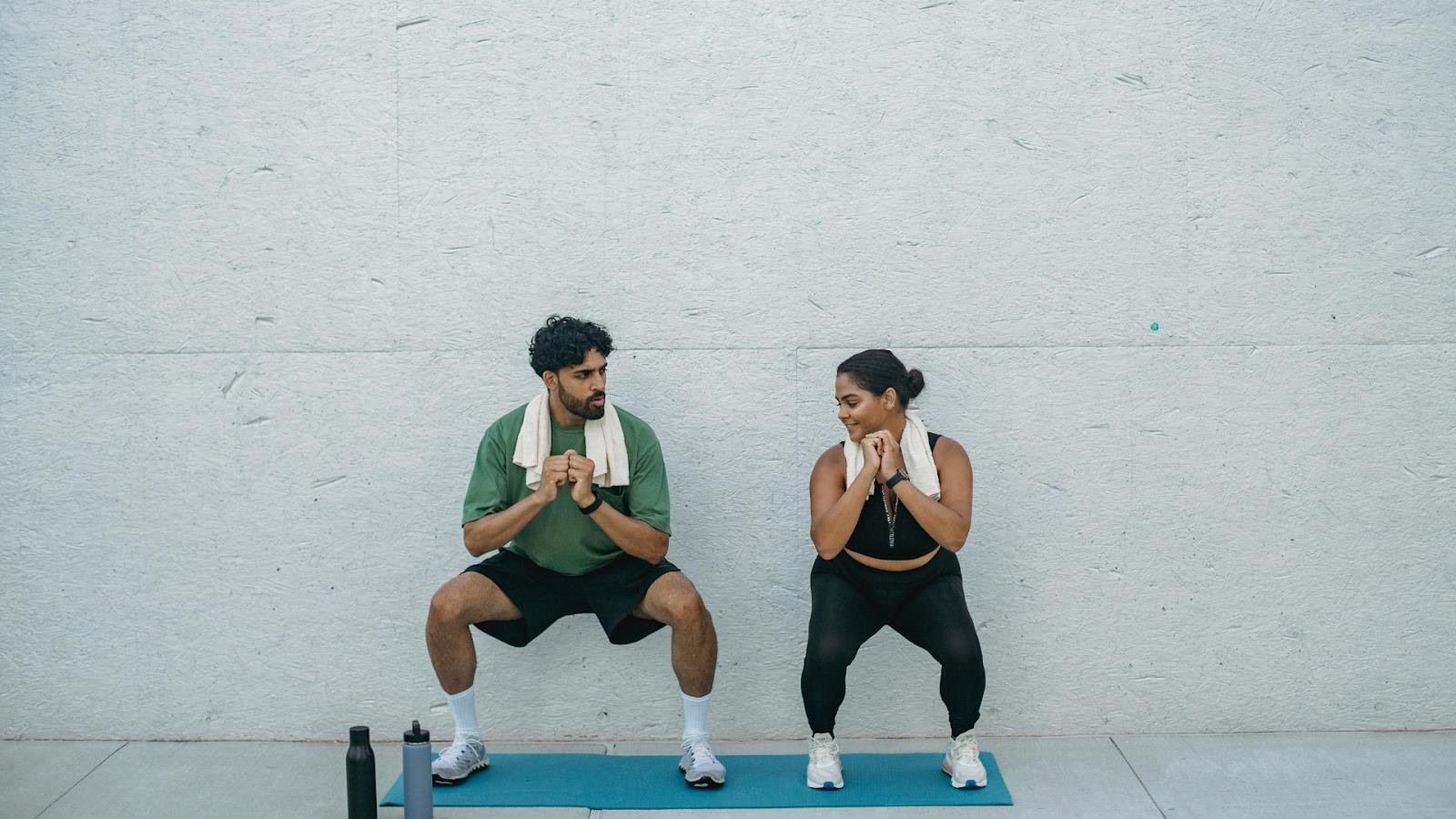
Every workout should feel empowering, not uncomfortable or unstable. Yet countless people struggle with poor balance, aching joints, and equipment that just doesn’t work with their body. A study by Kutzer et al. (2025) reported that athletes who underwent structured pre-participation screening experienced 28% fewer musculoskeletal injuries over a 12-month season compared to unscreened peers. This guide reveals practical solutions for staying steady and comfortable during any exercise routine.
Now that you understand the critical role comfort and stability play in workout success and injury prevention, let’s explore the specific gear that forms the foundation of every stable, comfortable exercise session.
Essential Workout Gear for Maximum Comfort and Stability
The right equipment transforms shaky, uncomfortable workouts into confident, steady sessions. Quality gear doesn’t just improve performance—it prevents the pain and instability that derail fitness progress.
Foundation Footwear: Beyond Traditional Athletic Shoes
Your feet are your stability foundation, but heavy sneakers aren’t always the answer. For many home workouts, opting for grippy socks can be highly beneficial, as they provide traction without restricting the natural movement of your feet. These specialized socks feature silicone grips on the bottom, allowing your feet to spread naturally while maintaining surface contact.
Barefoot training builds intrinsic foot strength and improves proprioception. Consider minimalist shoes for outdoor activities or cross-training sessions where some protection is needed.
Smart Fabric Technology for Workout Comfort
Modern comfortable activewear uses moisture-wicking fibers that pull sweat away from the skin. Compression garments provide gentle muscle support without restricting movement. Look for seamless construction around high-friction areas like inner thighs and underarms.
Temperature-regulating fabrics adapt to your body heat, keeping you comfortable during intense sessions. These smart textiles can make the difference between pushing through discomfort and enjoying every rep.
Stability-Enhancing Equipment for Every Workout Type
The right workout gear creates instant stability improvements. Balance boards challenge your core while resistance bands with comfortable grips prevent hand fatigue. Non-slip yoga mats with alignment markers guide proper positioning.
Wearable posture correctors provide gentle reminders to maintain proper form. These tools work together to create a supportive exercise environment.
While having the right gear is only half the battle, creating an environment that supports both comfort and stability amplifies the benefits of your carefully chosen equipment.
Creating the Perfect Workout Environment for Stability and Comfort
Your exercise space directly impacts how steady and comfortable you feel during workouts. Small environmental adjustments can eliminate common balance and comfort issues before they start.
Optimizing Your Exercise Space Layout
Floor surfaces matter more than most people realize. Carpet provides cushioning but can create instability during lateral movements. Hard floors offer stability but may lack shock absorption. Consider interlocking foam tiles that combine both benefits.
Proper lighting prevents shadows that can throw off depth perception. Workout comfort increases significantly when you can see your form and surroundings. Keep equipment spaced appropriately to allow free movement without collision risks.
Environmental Factors That Impact Performance
Temperature control affects both comfort and safety. Rooms that are too warm can cause dizziness, while cold spaces increase injury risk through muscle stiffness. Aim for 65-70°F with good air circulation.
Background music can enhance focus, but avoid jarring volume changes. Some people find light aromatherapy motivating, though strong scents can be distracting during cardio sessions.
With your environment optimized for success, it’s time to develop the advanced physical skills that will take your stability and comfort to the next level.
Advanced Techniques for Enhanced Fitness Stability
Building better proprioception creates the foundation for the next crucial element of workout stability—developing a strong, responsive core that supports every movement you make. The analysis revealed significant improvements in 5-meter sprint (ES = 0.63, p < 0.01), 20-meter sprint (ES = 0.49, p < 0.01), 30-meter sprint (ES = 0.55, p = 0.015), change of direction (COD) performance (ES = 0.39, p < 0.01), reaction time (ES = 0.52, p = 0.01), lower limb power (ES = 0.96, p < 0.01), and flexibility (ES = 0.57, p < 0.01), with effect sizes ranging from small to moderate.
Proprioception Training for Better Balance
Fitness stability improves dramatically when you train your body’s spatial awareness. Single-leg stands progress to eyes-closed variations, then to unstable surfaces. These exercises teach your nervous system to react quickly to balance challenges.
Start with 30-second holds and gradually increase duration. Technology-assisted tools like balance apps can track your progress objectively.
Core Stability Fundamentals
Deep breathing activates your core’s stabilizing muscles before they’re needed. Practice diaphragmatic breathing during exercises to maintain exercise support throughout demanding movements. Progressive core sequences build from static holds to dynamic challenges.
Real-time feedback through mirrors or apps helps correct compensations before they become habits. Perfect form and technique mean nothing without proper recovery—modern technology offers powerful tools to maintain comfort and accelerate healing between workouts.
Recovery and Comfort Technologies
While developing stability skills is essential, understanding and optimizing your recovery ensures these skills translate into long-term workout benefits without setbacks.
Immediate Post-Workout Comfort Solutions
Cool-down strategies regulate body temperature and heart rate gradually. Gentle stretching while muscles are warm prevents stiffness. Proper hydration with electrolyte balance supports muscle function and reduces cramping.
Compression garments worn post-workout can reduce muscle soreness. Ice or heat therapy addresses specific discomfort areas effectively when applied correctly.
Advanced Recovery Tools and Techniques
Percussion massage devices target deep muscle tension that manual massage can’t reach. Follow manufacturer guidelines for duration and pressure. Heat and cold therapy protocols alternate temperatures to reduce inflammation.
Sleep optimization affects next-day performance more than most realize. Dark, cool rooms and consistent schedules support natural recovery processes.
Physical recovery tools are powerful, but true workout comfort extends beyond the body to include the mental confidence and psychological ease that make exercise enjoyable.
Common Questions About Workout Stability and Comfort
1. How can I tell if my workout discomfort is normal or concerning?
Normal discomfort includes muscle fatigue and slight soreness. Sharp, shooting, or persistent pain warrants immediate attention and possible professional consultation.
2. What’s the difference between stability and balance in fitness?
Balance involves maintaining position, while stability refers to your body’s ability to control movement and resist external forces during dynamic activities.
3. How often should I replace my workout gear for optimal comfort?
Athletic shoes need replacement every 300-500 miles. Replace resistance bands when they show wear or lose elasticity. Yoga mats should be changed annually with regular use.
Final Thoughts on Workout Success
Workout comfort and fitness stability aren’t luxuries—they’re essential foundations for sustainable fitness progress. The right workout gear, proper exercise support, and comfortable activewear work together to create confidence-building workout experiences. Small adjustments in equipment, environment, and technique compound into significant improvements in how you feel during every session. When you prioritize stability and comfort, workouts transform from something you endure into something you genuinely enjoy. That shift makes all the difference in building lasting fitness habits.