The construction and architecture industries in the United States are evolving at an unprecedented pace. With tighter deadlines, stricter regulations, and growing demands for sustainable design, the margin for error is shrinking. Yet many projects still begin with outdated or incomplete information, leading to costly delays and budget overruns.
This is where 3D laser scanning services play a transformative role. By capturing precise, millimeter-accurate data of buildings, sites, and infrastructure, laser scanning empowers architects, contractors, and developers to work from reality rather than assumptions. Companies like ScanM2 are at the forefront of this change, delivering innovative scanning and documentation solutions across the U.S. Learn more at SCANM2.
What Are 3D Laser Scanning Services?
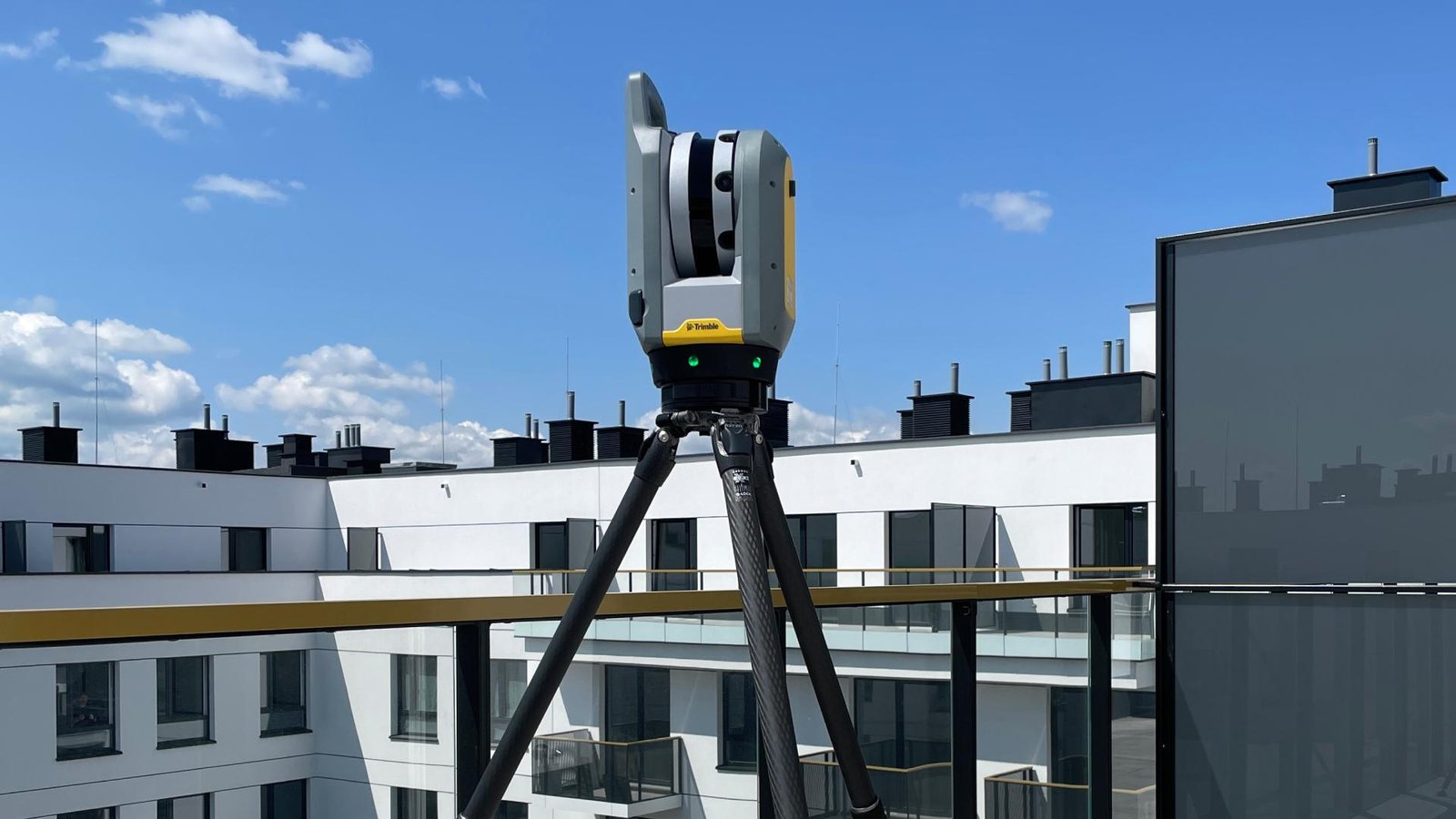
At its core, 3D laser scanning is about accuracy and efficiency. Using advanced scanners, millions of data points are collected from surfaces, creating what is known as a “point cloud.” This point cloud is a highly detailed digital replica of the physical environment.
From there, specialized software processes the point cloud into practical deliverables, including:
- 3D models for design and visualization,
- CAD files for engineering workflows,
- BIM-ready datasets for construction planning,
- as-built drawings for compliance and facility management.
Unlike traditional surveying methods, which often rely on manual measurements and can take weeks, laser scanning delivers results in hours or days — and with far greater accuracy.
Why They Matter for US Construction and Architecture
In the U.S., construction and architecture professionals face unique challenges that make precision critical. 3D laser scanning is increasingly being adopted to address these challenges in several key areas:
- Renovation of Existing Buildings
- Cities like New York, Chicago, and Boston are filled with structures that need modernization. Accurate scans ensure designs align with real-world conditions, preventing surprises mid-project.
- Commercial and Residential Development
- Developers working on office complexes, mixed-use buildings, or housing projects can accelerate timelines by starting with reliable datasets.
- Infrastructure Projects
- America’s aging infrastructure requires extensive upgrades. Bridges, airports, and highways benefit from laser scanning documentation that enhances safety and supports long-term planning.
- Historic Preservation
- For landmarks and heritage sites, scanning captures intricate details, preserving them digitally while guiding sensitive restoration work.
By integrating laser scanning services, U.S. firms reduce risks, cut costs, and gain competitive advantage in an increasingly demanding industry.
3D Scanning Services Price – How Much Does a 3D Scan Cost?
One of the most common questions from contractors and developers is: how much does a 3D scan cost? The answer depends on a combination of factors:
- Project Size – scanning a small residential property requires far less time and resources than documenting a large commercial site.
- Complexity – intricate layouts with mechanical, electrical, and plumbing systems demand additional attention.
- Level of Detail – basic point clouds are less resource-intensive than fully modeled BIM deliverables.
- Deliverables – file formats such as .rvt, .dwg, or .ifc may influence scope and pricing.
As a reference for the U.S. market:
- Small projects may start at around $900.
- Mid-sized projects often range between $2000 and $6,500.
- Large-scale facilities and infrastructure can exceed $9,000.
While upfront costs vary, the return on investment is clear: scanning prevents rework, reduces delays, and ensures smoother coordination among stakeholders.

As-Built Drawing Services Across the USA
Accurate documentation is vital long after construction is complete. As-built drawings provide a reliable record of what was actually built, reflecting any changes made during construction. These documents are indispensable for:
- securing permits and meeting code requirements,
- coordinating renovations or expansions,
- insurance and liability management,
- efficient facility operations.
Partnering with a company that offers high-quality as-built services ensures developers and owners have trustworthy data for the entire lifecycle of a building. Explore more about ScanM2’s expertise at https://scanm2.com/services/as-built-drawings/.
How ScanM2 Supports US Developers and Architects
ScanM2 stands out in the U.S. market by combining advanced technology with industry expertise. The company’s streamlined workflow covers every stage of documentation:
- Initial Consultation – identifying project needs, timelines, and desired deliverables.
- On-Site Laser Scanning – capturing environments with millimeter accuracy.
- Data Processing – cleaning and registering point clouds for clarity.
- Modeling and Documentation – producing CAD, BIM, and as-built outputs in multiple formats.
- Quality Assurance – ensuring every deliverable meets client and industry standards.
This comprehensive approach saves clients time, prevents errors, and provides results they can rely on for years to come.
Why Choose ScanM2
Choosing the right provider is as important as the technology itself. ScanM2 offers several key advantages for U.S. clients:
✔ Precision – unmatched accuracy with top-tier scanners.
✔ Experience – proven track record in complex U.S. projects.
✔ Flexibility – deliverables customized to fit specific project requirements.
✔ End-to-End Services – from scanning to professional documentation.
By combining reliability with innovation, ScanM2 has become a trusted name in the U.S. construction and architecture sectors. Learn more about the company at Scanm2.com.
Conclusion
As the U.S. construction industry continues to evolve, outdated methods of documentation are no longer sustainable. Developers, architects, and contractors need accurate, efficient, and reliable solutions to stay competitive.
3D laser scanning and professional as-built drawings are no longer optional — they are becoming industry standards. With providers like ScanM2 leading the way, U.S. projects can move forward with confidence, supported by data-driven precision.
For anyone in the American construction and architecture sectors, partnering with a trusted scanning and documentation provider is the key to building smarter, safer, and more efficiently in the years ahead.