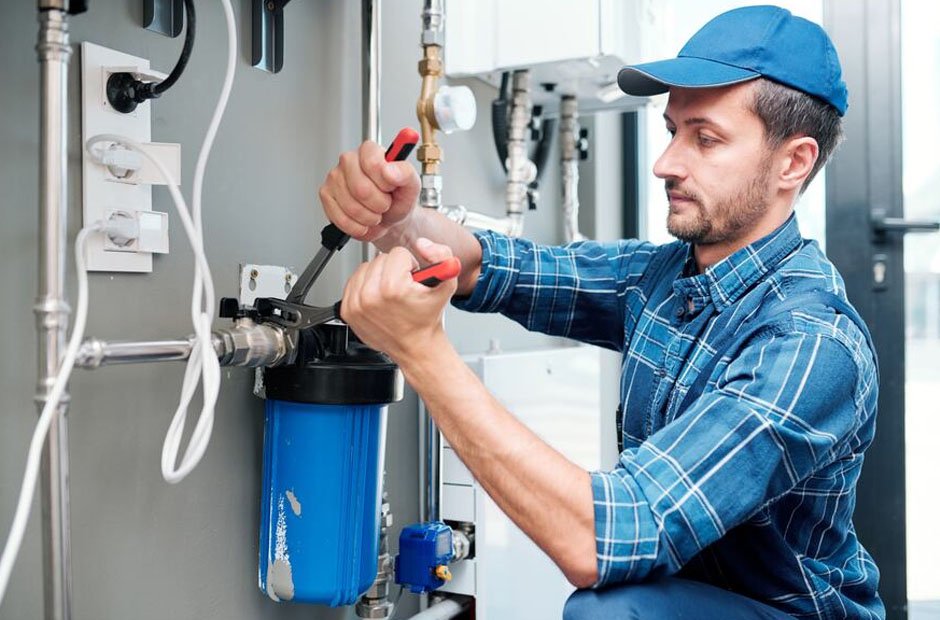
For a water softener system, maintenance involves the routine actions and precautions you take to verify it continues operating efficiently and reliably. Performing these regular tasks helps maintain the consistent delivery of clean, soft water by maximizing system performance, preventing mineral and scale buildup, and extending the overall lifespan of the unit. Here are a few practical maintenance tips you can follow to keep your water softener system in top condition:
Check Salt Levels
The salt in the brine tank produces the sodium ions needed to react with magnesium and calcium ions, which is how water is softened. If the salt level is too low, the water softener cannot perform this process effectively, but having too much salt can cause clogging in the system. Check that the salt pellets rise above the level of visible water in the tank.
When the water or salt level falls below half of the tank, refill it carefully to maintain proper function. It is also helpful to stir the tank occasionally to break up any crusted salt stuck to the sides. Using high-quality salt pellets is key because lower-quality salt may introduce impurities that create buildup inside the tank. By repeating this process at least once a month, you provide a consistent flow of soft water throughout your home.
Clean the Brine Tank
Cleaning the brine tank once a year helps prevent salt clumps and sludge from building up. Set the system to bypass mode, then turn off both the water and power supplies for the softener. Choose a suitable area, such as a gravel bed or pit, where the brine can be safely emptied. Warm, soapy water and a long-handled brush are used to scrub the interior of the tank thoroughly. The salt plate may be cleaned separately with dish detergent and cold water. After scrubbing, rinse all parts carefully before adding fresh salt and clean water to refill the tank.
Eliminate Salt Bridges
A salt bridge is a hard, crusty layer that forms when salt residue accumulates, creating a barrier between the water and the salt below. When this happens, the salt may not dissolve properly in water, which limits the formation of brine and affects the regeneration of the resin. It also helps to gently break up a salt bridge using a broom handle or similar tool.
In cases where these crusts appear repeatedly, consulting a professional may be useful to determine the underlying cause. Regularly checking for salt bridges can make maintenance easier and help the system operate more smoothly. Addressing the issue promptly prevents further complications in water softening.
Replace the Water Softener Resin
The resin in a water softener system enables ion exchange, which helps soften the water. High levels of iron or chlorine may cause the resin to wear down more quickly. If the system uses salt normally but produces less soft water, it could mean the resin bed needs replacement.
Small particles appearing in the water can also signal that the resin is breaking down; addressing it promptly helps maintain proper performance. Rinse out the old resin using a garden hose, making sure to remove as much debris as possible. After clearing the tank, add the appropriate amount of fresh resin to restore the system’s effectiveness.
Install a Water Softener System
Signs of hard water, such as soap failing to lather, scum on dishes, scale buildup around taps, or dry skin, may suggest that the water softener needs attention. A professional technician can inspect the system and replace worn parts to help restore its performance. If the unit shows persistent signs of inefficiency, reach out to experienced technicians for maintenance or installation.